
The question of aucuba sun or shade has a clear answer: aucuba strongly prefers partial to deep shade and does not want full sun. Plant it where the light stays soft and filtered, and it rewards you with dense growth and glossy leaves. Most broadleaf evergreens thin out and go leggy in that same low light, but aucuba fills in and holds its shape. That is the trait that makes it so useful for the dark corners of a garden where little else looks good.
The aucuba light requirements come down to how the plant reacts to direct rays. Hot sun first bleaches the young leaves to a pale, washed-out green. Then those scorched spots turn black and crispy, and the damage does not heal. The leaf stays marked for the rest of its life. This is why a stressed aucuba in a sunny bed looks patchy and burnt. The same plant in shade stays clean and deep green all year.
The variegated gold dust forms are the most sun-sensitive of all. Those gold-speckled leaves scorch faster and worse than the plain green types. The bright flecks have less protective pigment in them. Direct light damages them first, before the rest of the leaf shows any harm. Plant experts at Clemson and in Arkansas warn about this same risk. If you want to keep that speckled gold color, you have to keep the plant out of the sun.
Aim for filtered or dappled light under a tree canopy. A north or east-facing spot works best because it skips the harsh afternoon sun that does the most damage.
So what does the right spot look like in practice? A north or east-facing wall or border is ideal because it gets gentle morning light and shade through the hot part of the day. A woodland edge works well too, and so does a position under a high tree canopy that scatters the light before it reaches the leaves. In very hot regions, the rule gets stricter. UC IPM notes that aucuba needs at least partial shade in those climates, since even an hour of midday sun can mark the foliage.
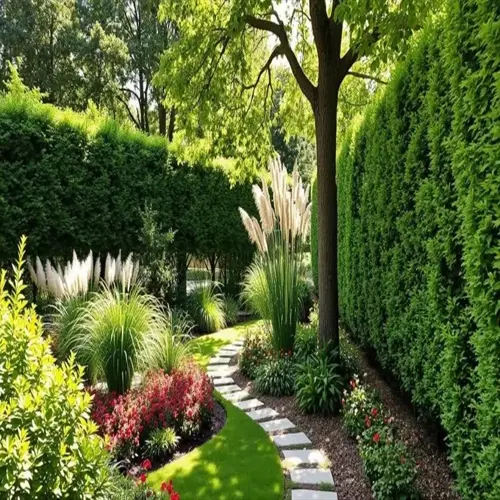
This easy nature in low light earns aucuba its name as a reliable shade evergreen shrub. You can tuck it against a shaded foundation, along a fence line that the sun never reaches, or in a bed under tall trees. It holds its leaves all year and keeps that lush look through winter. Few plants give you year-round green in deep shade with so little fuss. That is why so many gardeners reach for it when nothing else will fill a dark spot.
Match the planting spot to the variety you have, because not every aucuba wants the exact same light. Plain green types handle the brighter edge of partial shade without much trouble. The variegated forms belong in your deepest, darkest shade, where the lack of direct sun protects their gold markings. Put a gold dust plant in too much light and you trade its best feature for a faded, burnt look. Give it real shade and the color stays rich.
If you already have an aucuba struggling in a sunny bed, move it. The plant transplants well in cool weather, and a shift to shade often turns a sad, scorched shrub into a glossy one within a season or two. The fresh leaves come in clean and the burnt ones drop off over time. Pick the new spot first, then watch the light fall on it through the whole day before you dig. You want a place that never bakes in afternoon sun. Shade is what this plant was built for, and it shows you fast when you get the placement right.
Read the full article: Aucuba Japonica: Complete Care Guide