
Introduction
The echinacea flower lives a double life that most plants never get to enjoy. In your yard it is a tough, easy perennial that shrugs off heat and drought. In the medicine cabinet it is one of the most-studied herbal supplements people reach for at the first sign of a cold. Few garden flowers carry that kind of reputation on both fronts.
You probably know it better as the coneflower, and the name fits. A raised, prickly center cone sits at the heart of every bloom. The classic purple coneflower goes by the name Echinacea purpurea. It is a North American prairie native in the daisy family. The plant hardly asks for a thing once it settles in.
Here are the numbers that matter before you plant. Echinacea is a hardy perennial across USDA zones 3 to 9, so it comes back on its own year after year. The plants reach 24 to 36 inches tall and bloom from late June into early September. Bees and butterflies work the flowers all summer, and goldfinches pick the seed heads clean once fall arrives.
Here is the gap I want to close. Most coneflower guides stop at sun, soil, and water, then give the supplement angle a single sentence. This guide treats both sides as equal halves. Think of it as a two-part field guide. First we cover the plant in the ground, with the full growing and care playbook. Then we cover the plant in the medicine cabinet. You get an honest, evidence-based look at what the cold research really shows.
What Is the Echinacea Flower?
You may know the echinacea flower by its other name, the coneflower. The two names point to the same plant. It grows wild across North America and belongs to the daisy family. It dies back each winter and pushes up fresh growth every spring, so you plant it once and it returns for years.
The genus name comes from the Greek word echinos, which means hedgehog. That fits the look of the flower. The raised center is a cushion of stiff brown disk florets that feels prickly to the touch, and a ring of colorful ray petals fans out around it. Picture a spiky button surrounded by a skirt of petals, and you have the classic coneflower shape.
Most plants grow up to 4 feet (1.2 m) tall, with flowers 2 to 4 inches (5 to 10 cm) across. There are around ten species native east of the Rocky Mountains. Echinacea purpurea, the purple coneflower, is by far the most widely grown. It stands 24 to 36 inches (60 to 90 cm) tall and survives winters in USDA zones 3 to 9.
The most common color is a purple-pink, but the native wildflower group ranges to yellow and white too. Blooms open from late June and keep coming into early September, so you get a long stretch of color through the heart of summer. Here are the core facts at a glance.
How to Grow Echinacea
My Magnus and White Swan now stand chest high by the kitchen window in a raised, gritty patch. Two summers ago the same plants were a yellow, root rotted mess. I planted them in a low, damp pocket of the sunny back border where rain pooled after every storm. Then I moved that sad clump into coarse, fast draining ground, and the plants doubled in one season. I never fed them more. I only fixed the water.
That swap is the whole secret to how to grow echinacea well. These plants shrug off poor, rocky, and even heavy clay soil, but they sulk and rot in soggy, overly rich ground. Get your drainage right and the rest is easy, because coneflowers are tough, forgiving prairie natives.
Start with light. Echinacea wants full sun, though it takes part shade in hot climates. The right echinacea soil drains freely yet holds even moisture, and a spot that bakes dry by noon will stress your young plants in their first year.
Spacing matters more than you might expect when planting echinacea. Set each plant 18 to 24 inches (45 to 60 cm) apart, and group them in clusters of three to five for the best show and the strongest pollinator pull. Crowd your plants and air can't move, which invites leaf disease.
Choose a site with full sun to part shade and soil that drains freely, since soggy ground is the most common cause of failure. A raised or gritty bed beats a low, damp pocket every time.
Work the bed so roots can settle in, and skip the heavy fertilizer. Echinacea is a light feeder that resents rich soil, so a light spring dose of slow-release 12-6-6 at about 1 pound per 100 square feet is plenty.
Place each plant so the crown sits level with the surrounding soil. Then space plants 18 to 24 inches (45 to 60 cm) apart in groups of three to five for fuller drifts and easy airflow.
Water deeply at soil level after planting, and keep moisture steady through the first season. Avoid overhead watering, which wets the leaves and spreads disease, then ease off as the plants turn drought tolerant.
After that first season your watering can mostly stays in the shed. Once they settle in, your coneflowers take heat and dry spells in stride. They fit right into a water-wise bed, and they ask for little beyond room to breathe and ground that drains. Give your plants those two things and they will come back stronger each year.
Echinacea Care by Season
A row of goldfinches clung to the frosted brown seed heads in the back border one November, their bright feathers loud against the gray morning. I watched them through the kitchen window as they pecked seed from the spent cones, breath fogging the glass. Those last Magnus and White Swan heads now stay up all winter.
Good echinacea care follows the plant through one full year, and each season asks something different from you. Your plant wakes in spring, blooms hard through summer, sets seed in fall, then sleeps under the snow. Once you learn that rhythm your work gets easy.
New growth pushes up from the crown in spring, so give the plants a light slow-release feeding in late March or early April. This is also the time for dividing echinacea. Lift and split crowded clumps every 3 to 4 years to keep them vigorous and to make more plants for free.
Flowers open from late June to early September, and deadheading coneflowers through that stretch pushes the plant to throw more blooms. You can also try staggered trimming. Cut back some stems in early summer and leave the rest, and the trimmed ones flower later, which stretches your show by weeks.
Deadheading is a real choice for you, not just a chore. Snipping spent flowers feeds more blooms and keeps the plant from self-seeding all over your bed. Leave the final round of seed heads standing through fall and winter instead, and you feed the goldfinches while adding shape to a bare garden.
Cutting back echinacea can wait, because winter care here means mostly leaving it alone. The plant dies back to the roots and goes dormant once hard frost hits. Those standing stems give the cold garden structure, and the roots return on their own each spring.
Spring
New growth emerges from the crown; apply a light slow-release feeding in late March or early April and divide crowded clumps if needed.
Summer
Plants bloom from late June onward; deadhead spent flowers to encourage more blooms and water deeply only during prolonged drought.
Fall
Flowering tapers off by early September; leave the final seed heads standing to feed goldfinches and other songbirds.
Winter
The plant dies back to the roots and goes dormant; standing stems and seed heads add structure and reliably return in spring.
Leave the last round of seed heads through winter instead of cutting everything down; they feed goldfinches and give the cold-season garden welcome structure.
Coneflower Varieties and Species
"You should rip those plain ones out and plant the frilly doubles," my neighbor said, leaning over the fence one July morning. "They look so much fancier." Behind me sat the plain purple Magnus and the soft White Swan in the back border. The bees were not on her pom-pom doubles. They swarmed my plain ones, three or four to a flower, while her fancy blooms sat empty in the sun.
That fence-line scene sums up the choice you face with echinacea varieties. The flashiest flower is not always the best one for your garden. It is not always best for the wildlife you want to feed. So let me walk you through the main types of coneflowers and what each one gives you.
The split that matters most is native vs hybrid coneflower. Straight species and seed-grown plants reliably feed bees, butterflies, and winter songbirds. They give open nectar, pollen, and seed that sprouts. Many showy double and sterile hybrids look bold but give far less of all three. Their packed petals block easy access, and their seed often will not grow.
There is more range here than most people expect. Bloom color can even shift as a flower ages. You can also find dwarf and double forms for tight beds and pots. One word of care though. The smooth coneflower is a rare native, and federal law protects it. Its plant name is Echinacea laevigata. So enjoy it in the wild and never dig one up. Here are the main coneflower varieties worth knowing. They run from the dependable purple species to the unusual yellow coneflower.
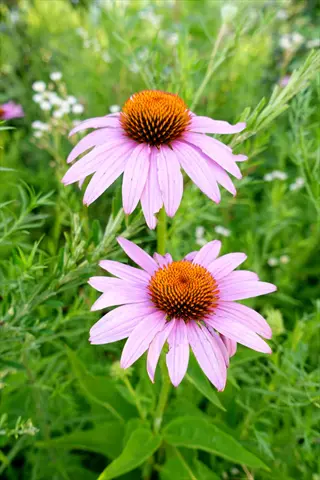
Echinacea purpurea (Purple Coneflower)
- Hardiness: Reliable in USDA zones 3 to 9, making it the most widely planted and easiest echinacea for most gardens.
- Look: Classic purple-pink ray petals around a raised orange-brown cone, on sturdy stems 24 to 36 inches (60 to 90 cm) tall.
- Wildlife value: The straight species is a top pollinator magnet and a key winter seed source for goldfinches and other songbirds.
- Cultivars: Popular forms include Magnus with flatter petals and the soft white-flowered White Swan.
- Soil: Tolerates clay and rocky ground and grows from a fibrous-rooted crown rather than a deep taproot.
- Best for: Borders, mass plantings, and pollinator gardens where dependable color and easy care matter most.
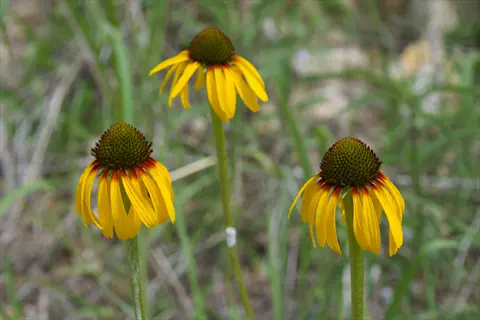
Echinacea paradoxa (Yellow Coneflower)
- Hardiness: Suited to USDA zones 4 to 7 and prized as the unusual yellow-flowered member of the genus.
- Look: Drooping bright yellow ray petals around a dark cone, a striking contrast to the typical purple coneflower.
- Origin: Native to the Ozark region, giving it good tolerance of lean, well-drained, rocky soils.
- Wildlife value: As a true species it supports pollinators and produces viable seed, unlike many sterile hybrids.
- Design role: Adds a warm color break in native and prairie-style plantings dominated by purples and pinks.
- Note: Its species name paradoxa reflects that it is the odd yellow exception in a genus known for purple flowers.
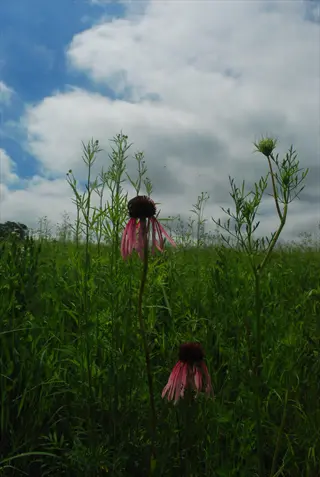
Echinacea angustifolia and E. pallida (Narrow and Pale Coneflowers)
- Hardiness: E. angustifolia spans USDA zones 2 to 8 and E. pallida zones 4 to 8, both very cold hardy prairie natives.
- Look: Slender, narrow ray petals that droop more than purpurea, giving an airy, naturalistic wildflower appearance.
- Roots: Both form deep taproots, which boosts drought tolerance but makes transplanting established plants difficult.
- Wildlife value: Long-grown prairie species that feed native bees and butterflies and set seed for songbirds.
- Heritage: E. angustifolia is the species most tied to traditional Native American medicinal use of echinacea.
- Best for: Meadow, prairie restoration, and water-wise plantings rather than tidy formal beds.
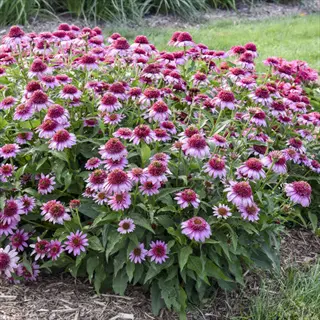
Modern Hybrids and Doubles (PowWow, Sombrero, Double Forms)
- Range: Breeders have produced coneflowers in orange, red, white, and green, plus compact dwarf and frilly double forms.
- Look: Bold, often brighter colors and pom-pom centers that make a strong visual statement in beds and containers.
- Size: Many such as the PowWow series stay compact and tidy, fitting smaller gardens and pots well.
- Wildlife tradeoff: Many doubles and sterile hybrids offer far less accessible nectar, pollen, and viable seed for wildlife.
- Longevity: Some hybrids are shorter-lived and less winter-hardy than the tough straight species.
- Best for: Gardeners who prioritize color and form, ideally paired with some straight species to keep pollinators fed.
Wildlife and Pollinator Value
Few plants earn their spot in a pollinator garden the way the echinacea flower does. Stand by a clump on a warm July morning. The heads hum with bees. The fancy double next to it sits silent, and the bees skip right past it.
The numbers back up what your ears hear. In a study of nine plants, Echinacea purpurea drew 21.7% of all bug visits, the second best score of the bunch. About half of every honey bee visit went straight to it. The flowers fed 24 kinds of pollinators in all.
That pull matters, since the plant leans on its bugs. Heads visited by insects set 1.62 times more seed than ones left alone, about 172 seeds to 106. As a native plant, echinacea makes the USDA-NRCS and Xerces Society lists of top habitat for bees.
Bees and Native Pollinators
- Heavy traffic: In a peer-reviewed nine-species study, Echinacea purpurea drew 21.7% of all pollinator visits, with about half of all honey bee visits going to it.
- Diversity: The flowers attracted 24 different pollinator genera and species, from honey bees to bumble bees such as Bombus impatiens.
- Nesting: Hollow coneflower stems left over winter can provide shelter for some stem-nesting native bees.
Butterflies and Hummingbirds
- Nectar source: Open coneflower blooms supply nectar for butterflies, including the Fiery Skipper, and for the Ruby-throated Hummingbird.
- Long season: A bloom window from late June to early September keeps nectar available through the busiest pollinator months.
- Landing pad: The flat, raised cone gives larger insects a stable surface to feed from.
Seed-Eating Songbirds
- Winter food: Mature seed heads are an important winter seed source for songbirds, especially the American Goldfinch.
- Leave them standing: Skipping the final deadheading lets birds harvest seed through fall and winter.
- Self-sowing: Some dropped seed germinates into free new plants, extending the planting over time.
Native Species Versus Sterile Hybrids
- Seed set: Insect-pollinated heads produced 1.62 times more seed than isolated ones, which shows how much the plant leans on its visitors.
- Hybrid tradeoff: Many showy double and sterile hybrids offer far less accessible pollen, nectar, and viable seed for wildlife.
- Conservation value: Echinacea is listed by the USDA-NRCS and the Xerces Society as a high-value plant for pollinator and beneficial-insect habitat.
The work does not stop when the petals fade. Leave the dead heads standing and the coneflower goldfinch link kicks in. American Goldfinches pick the seeds clean from fall into winter. The hollow stems give some native bees a place to nest too. A tidy fall cleanup costs your yard more than it saves.
This is why a plain native beats a showy hybrid for wildlife. Pick the echinacea pollinators value over flashy looks and one plant does a lot. You get a coneflower for bees in summer. You get butterflies and hummingbirds in the warm months. You get goldfinches all winter, and it asks for almost nothing back.
A host source for nectar for butterflies, bees, and other pollinators such as the Ruby-throated Hummingbird, it is an important source of seeds for songbirds, particularly American Goldfinch.
Echinacea for Colds and Immunity
Native tribes used this plant long before it hit a garden. They used the root and flower to fight colds and sore throats. That old habit is why people still ask about echinacea for colds. The plant earns its spot on looks alone. But its immune story is worth telling straight.
Here is the honest version. The research on echinacea benefits is real and growing. It is also mixed. And some of the best studies have a money trail you should know about. So treat this as promising, not proven, and never as a cure.
Start with the neutral voice. The NIH runs a health center that weighs claims like this. It says echinacea may slightly cut your chance of catching a cold. It also says we do not yet know if it makes a cold shorter. More research is needed. That is the careful baseline every other claim has to clear.
The clinical trial results look stronger. A 2021 study tracked 203 kids. It found 32.5% fewer colds and chest bugs, an odds ratio of 0.52. It also found 76.3% fewer antibiotic scripts. A 2024 meta-analysis pooled 30 trials and 5,652 people. It found about a 32% lower monthly risk of getting sick. Both point the same way. That is good news for your echinacea immune system questions.
Now the catch, in plain words. Both clinical trial sources got money in part from A. Vogel AG, a supplement maker. The data is not fake. But you should weigh it with care and lean on the NIH as the neutral judge. The meta-analysis also found that fresh-plant extracts made with alcohol beat the pressed-juice kind. So the form you buy matters.
Safety is the easy part. For most healthy adults, a short course of an echinacea supplement is likely safe. The echinacea side effects people report are mostly mild. Think upset stomach or a bit of nausea. But allergic reactions can happen too. They can be serious. So anyone who reacts to daisies, ragweed, or marigolds should go slow.
One more thing the label will not shout at you. Echinacea is sold as a dietary supplement, not an FDA-approved drug. So no one checks it the way they check a real prescription. Ask your doctor first if you take other medicine or have an immune condition. Let the flowers earn their keep in the bed. Just keep your hopes grounded.
Echinacea may slightly lower cold risk but is not a proven cure. People allergic to daisies and those on immune-related medications should check with a doctor before taking it.
5 Common Myths
Echinacea is a tropical or hothouse flower that needs constant watering and pampering to survive in a garden.
Echinacea is a tough North American prairie native that is drought and heat tolerant once established and very low maintenance.
Every coneflower variety is equally valuable to bees and butterflies, so the showy doubles are just as good for wildlife.
Many double and sterile hybrids offer far less nectar and pollen; native straight-species echinacea attracts far more pollinators.
You must cut echinacea down in fall, because leaving dead stems and seed heads only invites pests and looks messy.
Leaving seed heads through winter feeds goldfinches and other songbirds and adds welcome structure to the cold-season garden.
Echinacea is a proven cold cure, so taking it the moment you feel sick will reliably stop a cold in its tracks.
Research suggests it may slightly reduce the chance of catching a cold; it is not a proven cure and the evidence is uncertain.
Coneflowers spread aggressively like weeds and will quickly take over and crowd out everything else in a flower bed.
Echinacea self-seeds gently and forms slow-expanding clumps; it is easy to manage by deadheading or pulling stray seedlings.
Conclusion
The echinacea flower wears two hats, and that is what makes it worth your time. In the garden it is a tough perennial that asks for almost nothing. On the shelf it shows up as one of the most studied immune supplements you can buy. Few plants pull double duty like this one.
As a garden plant the coneflower is about as forgiving as they come. It survives winters across zones 3 to 9 and throws out blooms from late June into early September. Once the roots settle in, it shrugs off heat and dry spells with no fuss. Plant it in full sun, give it well-drained soil, and it will hold its own for years.
The wildlife payoff is where it really earns its spot. A straight-species purple coneflower pulls in bees and butterflies all summer. One study found these plants drew 21.7% of all pollinator visits across nine species tested. That makes it a backbone choice for any pollinator garden you plan. Many of the flashy hybrids fall short here, so if you want the bugs and birds, stick close to the native form.
On the health side, keep your feet on the ground. The research on echinacea benefits points to a small drop in cold risk, not a cure. And the strongest trials were paid for by a supplement maker. The NIH sums it up plainly, saying the herb "may slightly reduce your chances of catching a cold" while more study is needed. Talk to your doctor before you lean on it, since it can clash with other meds.
Here is the simple version. One tidy clump of three to five plants can anchor a sunny border for years with little more than the odd drink in a drought. Leave the spent heads standing through fall, and come winter you can watch goldfinches cling to the dried cones and pick out the seeds. That quiet scene is the real reward for a plant that gives back far more than it takes.
Glossary
- Asteraceae (daisy family)
- The large plant family that includes daisies, sunflowers, and coneflowers, recognizable by their composite flower heads.
- cold stratification
- Giving seeds a cold, moist period that mimics winter so they will break dormancy and sprout.
- deadheading
- Removing spent flowers to encourage more blooms and limit a plant from setting seed.
- Echinacea purpurea
- The most widely grown coneflower species, a hardy purple-flowered perennial native to North America.
- ray florets
- The colorful outer petals of a coneflower that ring its raised central cone.
- respiratory tract infection
- An illness affecting the airways, such as the common cold, that echinacea has been studied to help prevent.
- sterile hybrid
- A bred plant that produces little or no viable seed and often less nectar and pollen for wildlife.
- taproot
- A single deep main root that boosts drought tolerance but makes a plant hard to transplant once established.
External Sources
Frequently Asked Questions
Do echinacea flowers like sun or shade?
Echinacea grows best in full sun but tolerates part shade.
What month does echinacea bloom?
Most echinacea bloom from late June to early September.
Why is echinacea so good for the immune system?
Studies suggest it may slightly lower the chance of catching a cold.
Who should avoid taking echinacea?
People with allergies to daisies or on certain medications should be cautious.
What happens to echinacea in the winter?
The plant dies back to the roots and returns in spring.
What should you not plant next to echinacea?
Avoid aggressive spreaders and thirsty plants that need rich, wet soil.
Why is echinacea hard to grow from seed?
Seeds need a cold, moist period before they will sprout.
Does the echinacea flower spread?
Straight-species coneflowers self-seed and slowly form clumps.
Are echinacea better in pots or in the ground?
Echinacea generally does best planted in the ground.
How many echinacea should you plant together?
Plant in groups of three to five for the best display.