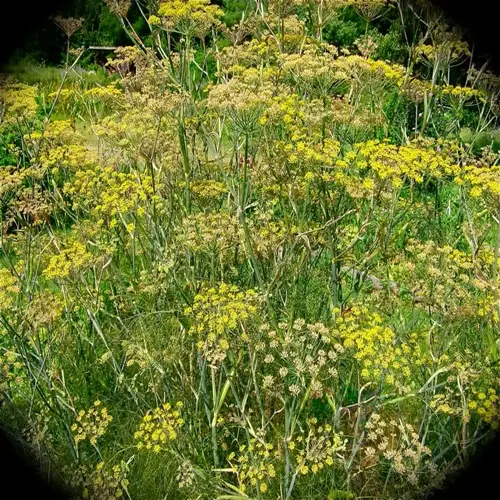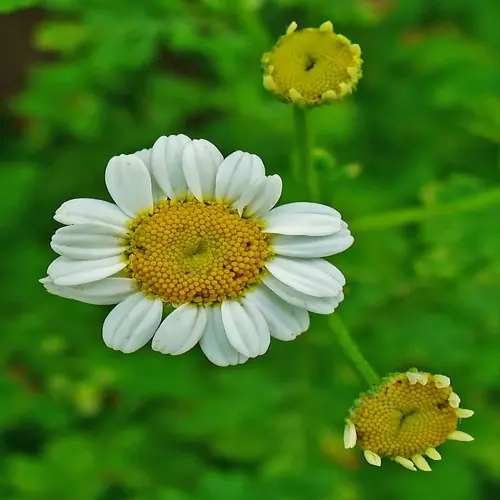

One midsummer I tore a handful of leaves off the big clump in the damp back corner. I dropped them in a pot of stock. The mouthful came back sharp and bitter instead of that clean celery flavor. The plant had thrown up tall flower heads while I wasn't looking. I cut the whole thing back hard, almost to the ground. Within two weeks a fresh flush of mild young leaves came up. That is the heart of harvesting lovage. You cut the leaves before the plant flowers. Then you keep your surplus by storing lovage through freezing, drying, or saving the seed.
Timing is the whole game. Lovage leaves taste best while the plant is young and growing fast in spring and early summer. Once flower stalks form, the plant pours its energy into seed, and the leaves turn coarse and bitter. That is exactly what bit me in that pot of stock. Pick the youngest outer leaves for the mildest taste and leave the tough older growth alone. If your plant has already bolted, do what I did and shear it back hard. A clean cut triggers a fresh flush of tender leaves you can harvest again.
Cut leaves keep their punch for only a day or two in the fridge, so preserve anything you won't use right away. Here is the order I work in.
- Harvest early: Cut the youngest outer leaves before the plant flowers, when the flavor is mildest and freshest.
- Handle in cool light: Gather roots and large harvests in cool morning light, then rinse your hands before going into bright sun.
- Freeze: Freeze leaves whole or chopped into oil cubes to keep the strong flavor for the year.
- Dry: Dry leaves in a dehydrator or low oven as a backup, accepting some loss of aroma.
- Save seeds and roots: Collect and dry the seeds and store dried sliced roots, both of which keep their flavor for a long time.
Freezing lovage is the method I trust most for the leaves. Wash and dry whole sprigs, seal them in a bag, and they hold that bold taste for months. For soups and stews, chop the leaves and pack them into an ice cube tray. Top each well with olive oil and freeze. You drop a cube straight into the pan and the flavor lands as if the leaf were fresh. Drying is the part people argue over. Some cooks say lovage does not dry well and loses its aroma, and they have a point. A dehydrator or a low oven still gives you a usable backup for winter stocks. So treat your dried leaves as a fallback rather than a first choice. Even faded, they beat having nothing in February.
The seeds and roots are your easy wins for long storage. Let a few flower heads ripen, snip them on a dry morning, and shake the seeds loose once they brown. They keep their warm, celery-like punch for a long time in a sealed jar. They also double as next year's planting stock. Dig your roots in fall, scrub them, slice them, and dry the pieces for a deep savory base. One real caution sits under all of this. Lovage roots carry furanocoumarins that can make your skin react to sunlight. So handle roots and big armfuls of foliage in cool morning light. Rinse your hands well before you head out into bright sun. Do that and the safety side of preserving lovage takes care of itself. None of this changes how you go about harvesting lovage week to week.
Read the full article: Lovage Plant: A Complete Growing Guide