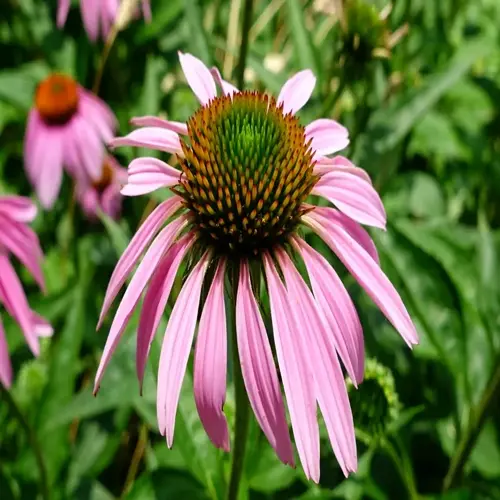

There is no strong evidence that feverfew harms the liver in healthy adults at normal doses. When you look at the research on feverfew liver safety, the studies do not point to direct liver damage. The more honest concern sits one step to the side. It is less about the liver itself. It is more about how feverfew may interact with the medicines your liver has to break down.
That distinction matters, so let me make it clear. Your liver is the organ that breaks down most drugs you swallow. Feverfew does not appear to scar or inflame that organ on its own. But if you take a prescription that the liver clears, feverfew can change how that whole process plays out. So the practical risk for most people is interaction, not injury.
The biggest worry is with blood thinners. Feverfew may make the blood slower to clot. So pairing it with warfarin or aspirin can raise your bleeding risk. There are also questions about feverfew and some migraine medicines. That one is worth knowing. People often reach for feverfew for headaches in the first place. These feverfew drug interactions are why caution makes sense, even when the herb itself looks gentle.
Here is the mechanism in plain terms. The liver runs a set of enzymes that take drugs apart so your body can clear them. Feverfew can nudge that system and the way blood clots. When it does, a medicine may build up too high or thin out too soon. The herb is not attacking the liver. It is changing the job the liver is trying to do. That is why the danger lands on the drug, not the organ.
The wider safety record backs up the reassuring part of this answer. A Cochrane review of feverfew for migraine found no major safety concerns. The adverse events it noted were mild and reversible. That is not the kind of lasting harm you would link to a damaged liver. The reviewers did not flag liver toxicity as a pattern at all.
The NCCIH reaches a similar place. It reports no serious side effects tied to feverfew use in the research so far. The feverfew side effects people actually report tend to be small. Think mild stomach upset, mouth soreness from chewing the raw leaves, or a brief headache when long-term users stop suddenly. None of these signal a liver problem.
So who should slow down before trying it? If you take any prescription medication, run feverfew past your doctor or pharmacist first. This goes double for anyone on blood thinners, where the bleeding risk is the clearest reason to be careful. A quick check costs you nothing. It rules out a combination that could matter for you. Bring the actual product with you so they can read the dose and any other herbs in the blend. Pregnant people should skip feverfew too, since it can affect the uterus.
One more piece of advice covers a moment many people forget. If you have surgery on the calendar, stop feverfew at least 2 weeks before the procedure. Because it can thin the blood, keeping it in your system raises the chance of extra bleeding on the table. Tell your surgical team you have been using it, even if you stop in time. The bottom line on feverfew liver safety is steady. Feverfew is not bad for the liver based on current evidence, but treat it like a real medicine when you mix it with other drugs.
Read the full article: Feverfew Plant: Grow, Use, and Stay Safe