
Introduction
The kale plant is one of the most forgiving vegetables you can put in the ground. It shrugs off frost, keeps feeding you for months, and asks for very little in return. If you have ever killed a tomato or given up on lettuce, kale is the green that will rebuild your confidence in the garden.
It is also one of the healthiest things you can eat. A 2025 review in the journal Molecules found that 100 grams of kale has about 390 micrograms of vitamin K. That is roughly 325% of the daily value. NC State Extension notes that one serving gives you around 200% of your daily vitamin C. Few leafy greens match that kind of payoff from a plant this easy to grow.
This guide ties the growing advice to the real nutrition and health science behind the leaf. You get the hands-in-the-dirt steps. You also get the peer-reviewed reasons kale earns a spot in your beds and on your plate. Both halves of the story sit in one place.
Interest in this cool season crop keeps climbing. US kale supply nearly tripled between 1997 and 2017, so you are far from alone in wanting to grow it well. This guide walks you through planting steps, the best varieties, soil and watering tips, and cold-weather tricks. You also get harvesting advice, real nutrition facts, and help with pests. Kale ranks among the most rewarding leafy greens for a home gardener. Let's start with what makes growing kale so simple.
How to Grow a Kale Plant
By the second week of July my Lacinato and Red Russian had gone tough as cardboard. I planted both in a zone 6 raised bed by the back fence that spring. I watered them on schedule. Still the leaves turned bitter once the heat set in. So I gave up on that batch and sowed a fresh round in late summer instead. That fall crop stayed sweet right through the first frosts.
Kale is a cool season crop, and that one fact shapes everything about how to grow kale well. It turns bitter and stringy in summer heat but grows sweeter after a frost. Utah State Extension notes that kale grows best when temperatures stay below 75°F (24°C). Plan your spring and fall plantings around that window and you get the best flavor and the heaviest yield.
Timing is the part most beginners get wrong, so anchor it to your frost dates. NC State Extension says to set kale seeds about half an inch (1.3 centimeters) deep. Plant them roughly 4 weeks before your last spring frost or 6 weeks before your first fall frost. You can sow seed straight into the bed. Or you can try transplanting kale into the bed once your seedlings have a few true leaves. The steps below walk through planting kale from spot to first growth.
Choose a sunny, well-drained bed and plan around cool weather, sowing about 4 weeks before the last spring frost or 6 weeks before the first fall frost.
Loosen the bed and mix in compost so the soil is rich and drains well, aiming for a pH between 6.0 and 7.5.
Sow kale seeds about half an inch (1.3 centimeters) deep, or set out hardened transplants once they have a few true leaves.
Thin or space plants about 12 to 18 inches (30 to 46 centimeters) apart in rows 18 to 36 inches (46 to 91 centimeters) apart.
Keep the soil evenly moist with about 1 to 2 inches (2.5 to 5 centimeters) of water a week as seedlings establish and grow.
Kale seeds sprout fast and the young plants take hold fast too. That speed is a big reason extension sources rank it among the easiest brassicas for beginners. Seeds wake up within days in cool soil, and seedlings push out true leaves not long after. Keep them watered through that first stretch and you are most of the way there. From here, your job is steady care while the cool weather does the work on flavor.
If summer heat makes your kale tough and bitter, do not give up. Pull or pause it and sow a fresh crop in late summer for sweeter fall leaves.
Best Kale Varieties to Grow
I planted Red Russian kale in a zone 6 raised bed by the back fence, and its purple veins caught the morning light, frilled and almost glowing. Right beside it sat the flat blue-green Lacinato, stiff and bumpy and dark as a storm cloud. Same bed, same week, two plants that barely looked related.
That contrast tells you most of what you need to know about kale varieties. The differences come down to leaf texture, color, and cold tolerance, not some big gap in taste. So your pick depends on what you want to do with the leaves.
Want sturdy leaves for baked chips and long-simmered soups? Reach for curly kale. Want tender raw salads with an earthier, sweeter bite? Grow Lacinato kale, the one also sold as dinosaur kale. Want leaves fast and a plant that shrugs off cool fall nights? Red Russian kale matures in about 50 days, among the quickest of the bunch.
Ornamental and colored kales have widened the field, but they are bred more for looks than for the dinner plate. The classic curly, Lacinato, and Russian types stay the most reliable for eating. Here are the ones worth a spot in your garden.
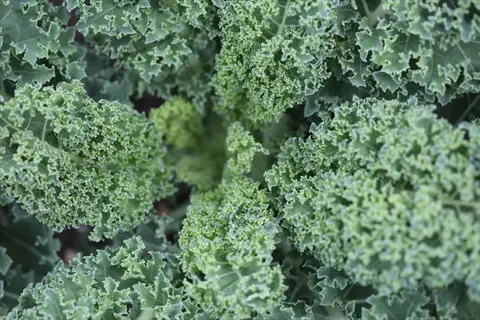
Curly Kale
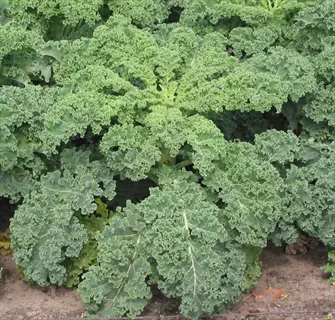
- Look: Tightly ruffled, frilly leaves in deep green or blue-green, the type most people picture when they think of kale.
- Texture: Sturdy and a little chewy raw, which makes it the classic choice for baked kale chips and hearty cooked dishes.
- Cold tolerance: Very hardy varieties like Winterbor and Vates Blue Curled hold up well into cold weather and frost.
- Maturity: Most curly types reach full-size leaves in roughly 55 to 75 days from planting.
- Best use: Great all-rounder for chips, soups, braises and massaged salads once the ribs are removed.
- Growing note: Forgiving and widely available, making it a strong pick for first-time kale growers.
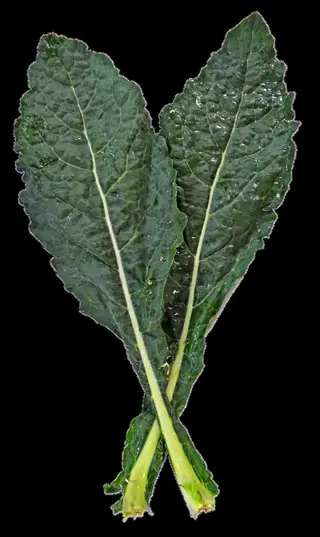
Lacinato Kale
- Look: Long, narrow, bumpy blue-green leaves, also sold as dinosaur, Tuscan, Toscano or black kale.
- Texture: Flatter and more tender than curly kale, with a slightly sweeter, earthier flavor.
- Maturity: Toscano-type Lacinato matures in about 65 days for full leaves.
- Best use: A favorite for Italian cooking, kale and white bean soups, and tender raw salads.
- Cold tolerance: Cold hardy and frost tolerant, with flavor that sweetens after light frosts.
- Growing note: Upright habit makes it easy to harvest outer leaves cleanly while the center keeps growing.
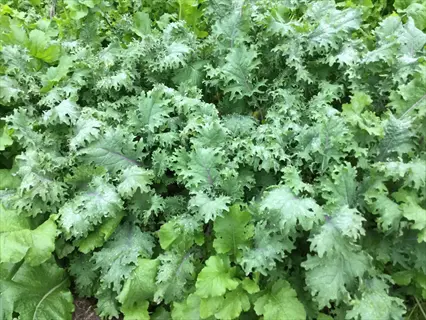
Red Russian Kale
- Look: Flat, frilly-edged leaves with striking purple stems and veins on a green to gray-green leaf.
- Texture: One of the most tender kales, pleasant raw and quick to cook.
- Maturity: Reaches harvest in about 50 days, among the faster kales to mature.
- Best use: Excellent for salads, smoothies and light saute where tenderness matters.
- Cold tolerance: Very cold hardy and often noted for strong performance in cool fall weather.
- Growing note: Fast and forgiving, a good early choice when you want leaves sooner.
Siberian and Other Kales
- Look: Improved Dwarf Siberian has broad, lightly ruffled blue-green leaves on a compact plant.
- Texture: Tender and mild, holding up well in both raw and cooked dishes.
- Maturity: Dwarf Siberian matures in about 50 days, on the quicker end.
- Cold tolerance: Bred for hardiness and a strong choice where winters are harsh.
- Best use: Reliable everyday kale for kitchens and a good fit for containers thanks to its compact size.
- Growing note: Ornamental kales also exist, but they are grown mainly for color rather than flavor.
Soil, Spacing and Watering
Good kale soil does most of the work for you. Kale wants fertile, well-drained soil with a pH between 6.0 and 7.5, a range NC State Extension points to for healthy, tender plants. Mix in a few inches of compost before you plant and your roots get steady food without sitting in wet mud.
Kale spacing trips up a lot of new gardeners. They plant too close and end up with small, crowded leaves. Set each plant 12 to 18 inches (30 to 46 centimeters) apart. Keep rows 18 to 36 inches (46 to 91 centimeters) between them, per Utah State Extension figures. Want baby greens for salads? You can crowd those a bit tighter and pick them young.
Watering kale comes down to one idea. Give it about 1 to 2 inches (2.5 to 5 centimeters) of water per week, and treat the soil like a damp sponge. You want it evenly moist, never soggy, since waterlogged roots in heavy ground will rot. Steady moisture in well-drained soil is the goal.
Here is the part most people miss about bitter kale. Heat and water stress are what turn the leaves sharp and tough, not the plant itself. A kale plant that dries out in hot sun pours its energy into survival, and the flavor pays for it. Keep the water steady and the weather cool, and your leaves stay mild and tender.
Feed kale like the leafy crop it is. A nitrogen-rich bed pushes steady leaf growth and keeps the color deep green. But go easy, because too much nitrogen can pull in pests like aphids, as Harvest to Table notes. A little compost and one balanced feeding mid-season is usually plenty.
Cold Weather and Year-Round Kale
The sweetest Lacinato leaves I have ever picked came off the zone 6 raised bed by my back fence the morning after a light snow. I twisted off a handful of dark, crisp leaves dusted with white. I was half sure they were ruined. They tasted sweet and mild instead of the sharp green I expected. That bed got a fall sowing in late summer, and the cold did the rest.
Frost sweetens kale for a simple reason. Cold turns some of the plant's stored starches into sugars, so leaves that meet a few frosts taste milder and less bitter than summer ones. This is why fall kale wins. A crop that struggled in July heat comes into its own once nights drop.
Kale is one of the most cold hardy greens you can grow. Utah State University Extension says young plants take cold down to about 25°F (-4°C) with no real harm. Mature plants are even tougher. The trick is timing. Planting kale in fall, roughly 6 weeks before your first frost, gives plants the size they need to take the cold in stride.
Growing kale in winter is realistic in mild zones. In roughly zones 7 to 10, plants keep pushing new leaves straight through the season, so you can pick fresh greens in January. Farther north a cold frame or a simple row cover buys you several degrees of protection. That stretches the harvest well past the point where bare beds give up.
Overwintering kale also sets you up for spring. Plants that survive the cold start growing again as days lengthen, giving you an early crop before fresh seed would even sprout. The timeline below maps the kale plant through a full year so you can plan each sowing and harvest.
Late Winter to Early Spring
Start seeds indoors or sow outdoors about 4 weeks before the last spring frost for an early crop.
Spring
Harvest tender spring leaves before summer heat arrives, since warmth above 75°F (24°C) turns leaves bitter.
Late Summer
Sow or transplant a fall crop about 6 weeks before the first fall frost for the sweetest harvest.
Fall and Winter
Keep harvesting past the first frosts; light frost sweetens leaves, and mild zones can produce into winter.
Both plants are cold tolerant and will continue to grow and produce new leaves well beyond the first fall frosts.
Harvesting and Regrowth
Harvesting kale the right way gives you fresh greens for months from a single plant. The trick is the cut-and-come-again method, and it matters more than any other harvest habit you can build. You pick a few leaves at a time and let the plant keep growing instead of pulling the whole thing at once.
So does kale regrow after you cut it? Yes, and that is the whole point. As long as you leave the small center leaves alone, the plant pushes out fresh growth week after week. A kale plant is a biennial, which means one plant can keep leafing out for close to 2 years until it bolts and flowers in its second year.
Wondering when to harvest kale? You can pick baby leaves at about 20 to 30 days for tender salad greens. Or wait until 50 to 75 days for full-size mature leaves that hold up well in the pan. Once a leaf reaches the size of your hand, it is ready to go.
Here is the part to picture in your head. Find the lowest, oldest leaves near the bottom of the plant and snap those outer leaves off right at the base. Work from the outside in, and never touch the little center leaves where new growth starts. Take no more than about a third of the plant at once, and you keep that center engine running.
Start With Baby or Mature Leaves
- Timing: Pick baby leaves at about 20 to 30 days, or wait for full-size mature leaves at roughly 50 to 75 days.
- Choice: Baby leaves are tender for salads, while mature leaves are sturdier and better for cooking.
- Readiness: Harvest once leaves are about the size of your hand for full-size picking.
Harvest the Outer Leaves First
- Method: Snap or cut the lowest, oldest outer leaves at the base, working from the outside inward.
- Protect the center: Always leave the small central growing point untouched so the plant keeps producing.
- Amount: Take no more than about a third of the plant at any one harvest to avoid stressing it.
Repeat Cut-and-Come-Again
- Frequency: Harvest roughly once or twice a week, taking about four outer leaves per plant each time.
- Regrowth: Because you leave the center, the plant keeps pushing out new leaves for months.
- Steady supply: Regular picking also keeps plants productive and can help limit pest buildup.
Know When Kale Slows Down
- Second year: As a biennial, kale bolts and flowers in its second year, after which leaf quality drops.
- Bitter signs: Summer heat or water stress can make leaves bitter, so harvest more in cool weather.
- Replanting: Many gardeners simply start fresh plants each season for the best continuous leaf harvest.
Stick to a simple rhythm and you will pull leaves once or twice a week, about four outer leaves per plant each time. That steady picking keeps the plant productive and gives you fresh greens long after a one-time harvest would have finished. Pick more in cool weather too, since summer heat and water stress can turn the leaves bitter.
Kale Nutrition and Health
Most guides wave a hand at kale nutrition and call it a superfood. The real numbers are better than the hype. Per 100 grams, kale gives you about 390 micrograms of vitamin K. That is 325% of your daily value. It also packs 93.4 milligrams of vitamin C, or 104% of your daily value, plus 241 micrograms RAE of vitamin A.
One serving alone covers roughly 200% of your daily vitamin C, and a cup of raw kale has just 7 calories with zero fat. So you load up on vitamins without spending much of your day's calories. The kale health benefits go past the vitamin chart too. Kale packs antioxidants, a useful dose of potassium, and calcium that supports your bones.
Kale contains antioxidants that help prevent cell damage and may also help protect against cancer.
The clinical research backs this up with hard numbers. A 2025 review in Molecules points to a 12-week trial of kale juice. It lowered LDL cholesterol by about 10% and raised HDL by about 27%. A second 12-week study used freeze-dried kale. It cut HbA1c, a blood sugar marker, by 1.4 points versus the control group. Kale also holds plant compounds known as glucosinolates. Your body turns some of them into a substance called sulforaphane. Researchers study it for its role in lowering cancer risk.
How you cook your kale changes how much of this goodness survives. Steaming keeps about 87% to 92% of the phenolics, the plant compounds behind much of the antioxidants. Fry it instead and you lose roughly 80% to 81% of the flavanols. So a gentle steam holds onto far more than a hot pan does. Eat it raw or lightly cooked when you can.
One caution is worth flagging. That huge dose of vitamin K helps blood clot, so if you take a blood thinner like warfarin, talk to your doctor before you pile kale on your plate. For most people, though, kale is one of the safest and most nutrient-dense greens you can grow and eat.
Pests and Companion Planting
Most kale pests give themselves away if you flip a leaf over and look. By day you will spot cabbage worms, aphids, flea beetles and harlequin bugs working the undersides. These are the bugs that turn a clean leaf into lace within a week.
So what eats kale at night when nothing shows up in daylight? Slugs, snails and cutworms do the late shift, chewing ragged holes and clipping young stems clean off. Head out after dark with a flashlight and you will catch them in the act.
Here is the part most people miss. Too much nitrogen pushes soft, lush growth, and that tender new growth is exactly what bugs swarm. Feed in balance and your plants stay tougher and far less appealing to pests.
That makes prevention smarter than spraying after the damage is done. Row covers keep moths off young plants. And Bt (Bacillus thuringiensis) kills caterpillars but spares you and the rest of the garden. Use these before the holes appear, not after.
- Watch for daytime pests: Check leaf undersides for cabbage worms, loopers, aphids, flea beetles and harlequin bugs, which feed during the day.
- Handle night feeders: Slugs, snails and cutworms chew kale at night; hand-pick after dark, use barriers, and clear hiding spots near plants.
- Use safe controls: Apply Bt (Bacillus thuringiensis) for caterpillars and insecticidal soap for aphids, and cover young plants with row covers.
- Feed in balance: Avoid overdoing nitrogen, since lush soft growth attracts more pests; aim for steady, moderate feeding instead.
- Choose good companions: Plant kale near beets, celery and onions, and keep it away from tomatoes, strawberries and pole beans.
- Rotate your beds: Do not plant kale or other brassicas in the same spot for about 4 years to limit soil-borne disease.
Where you put your kale matters as much as how you guard it. Good companion plants like beets, celery and onions share the bed without crowding it. But tomatoes, strawberries and pole beans fight kale for room, so plant them elsewhere.
Then close the loop with crop rotation. The University of Minnesota Extension says to keep kale out of the same spot for 4 years. Its brassica cousins need to move too. This starves soil pests and disease. Pair smart placement with that habit and you stop problems before they reach your plants.
5 Common Myths
Kale is a perennial that regrows from the same plant every year, so you only ever need to plant it once.
Kale is a biennial. It produces leaves in year one, then flowers and dies in year two, so most gardeners replant for leaves each season.
Kale tastes worse after frost, so you should always harvest it before the first cold nights arrive in fall.
Frost actually improves kale. Cold converts some starches to sugars, so leaves taste sweeter and milder after light frosts.
Kale is a hard, fussy vegetable that only experienced gardeners with perfect soil can manage to grow.
Kale is one of the easiest vegetables. It is fast, cold hardy and forgiving, needing only cool weather, steady water and decent soil.
Once you cut leaves off a kale plant, it stops producing and you have to pull it and start over.
Kale is cut-and-come-again. Take outer leaves and leave the center, and the plant keeps pushing out new leaves for months.
Kale grown in a city garden is unsafe because it absorbs dangerous amounts of heavy metals from the soil.
Urban kale can hold slightly more lead, but studies found levels below safety limits, and the benefits of eating vegetables outweigh the risk.
Conclusion
The kale plant earns its spot in your garden for one simple reason. It is easy, fast, and tough enough to shrug off cold that flattens most other greens. Plant it when the weather turns cool, pick the outer leaves, and the center keeps pushing out new growth for weeks. That cut-and-come-again habit is what makes one short row feed you for a whole season.
The payoff at the table matches the payoff in the bed. A single serving gives you about 200% of your daily vitamin C, with almost no calories and no fat. Few vegetables you can grow at home come close to that kind of return. The cold works in your favor too, since frost sweetens the leaves instead of ruining them. I pulled kale leaves through three hard frosts one November, and each batch tasted milder than the last. A fall crop often beats anything you pick in summer.
Most problems never start if you get two things right. Match your growing kale to cool weather, and keep the soil steady with about an inch of water a week in a pH of 6.0 to 7.5. Do that, and bitter leaves, stalled plants, and stressed roots mostly stay away. Steady moisture and the right window do more for your kale harvest than any fix you apply later.
Kale has come a long way in 20 years, with home production nearly tripling as more people figured out how well it pays off. You do not need a big plot to join in. A small bed or a single pot on the patio is plenty to start, and the kale nutrition you get back makes every square foot worth it. Drop a few seeds this season and let the plants show you the rest.
Glossary
- Bacillus thuringiensis
- A naturally occurring soil bacterium, sold as Bt, used as a family-safe spray to control caterpillar pests like cabbage worms.
- biennial
- A plant that lives for two years, growing leaves the first year and flowering, setting seed, then dying in the second year.
- bolting
- When a plant suddenly sends up a flower stalk and goes to seed, usually triggered by heat or its second year, after which leaves turn bitter.
- cool-season crop
- A vegetable that grows best in the cooler temperatures of spring and fall rather than summer heat.
- cut-and-come-again
- A harvesting method where you take only the outer leaves and leave the growing center so the plant keeps producing more.
- glucosinolates
- Natural sulfur compounds in kale and other brassicas that the body can convert into substances studied for health benefits.
- Lacinato kale
- A flat, bumpy, blue-green kale also called dinosaur, Tuscan or Toscano kale, prized for its tender texture.
- sulforaphane
- A compound formed from kale's glucosinolates that researchers study for its possible role in reducing cancer risk.
External Sources
Frequently Asked Questions
Does kale come back every year?
Kale is a biennial, so a single plant lives about two years. It grows leaves the first year, then flowers and sets seed in its second year before dying.
How long does kale take to grow?
Baby kale leaves are ready in about 20 to 30 days, while full mature leaves take roughly 50 to 75 days from planting.
Does kale regrow after cutting?
Yes. If you take outer leaves and leave the central growing point, the kale plant keeps pushing out new leaves for months.
Can you grow kale in winter?
Often yes. Kale is very cold hardy, tolerates frost, and in mild zones keeps producing through winter, especially with a cold frame or cover.
Can you plant kale in October?
In mild climates, yes. Kale is usually planted about 6 weeks before the first fall frost, and late starts work best as small transplants.
Does kale grow well in pots?
Yes. Kale grows well in a pot at least 12 inches (30 centimeters) wide and deep, with rich soil, drainage and steady watering.
Is kale difficult to grow?
No. Kale is one of the easiest vegetables to grow. It is forgiving, fast, cold hardy, and only needs cool weather, steady water and decent soil.
Does kale have potassium?
Yes. Kale supplies potassium along with calcium, plus high amounts of vitamins K, C and A and antioxidants.
Is there a downside to eating kale?
For most people kale is very safe. The main caution is its high vitamin K, which can affect people taking blood-thinning medication.
What eats kale at night?
Night feeders on kale are usually slugs, snails and cutworms. Cabbage worms and loopers also feed, often hiding under leaves by day.