
Introduction
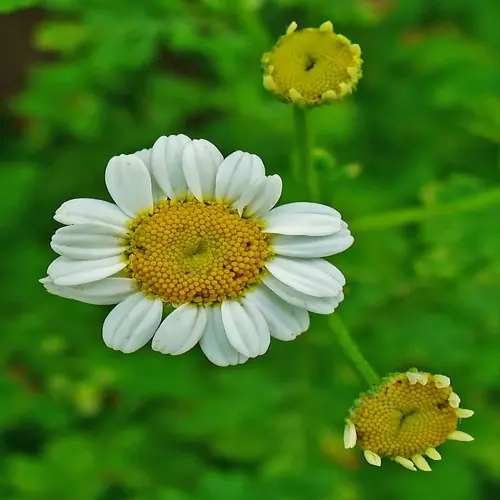
The first time you rub a marjoram plant between your fingers, the smell stops you. It is softer and sweeter than oregano, with a gentle note of pine and citrus that hangs in the air. That scent is why this herb has its nickname, and it is also why so many gardeners fall for it fast.
The plant goes by the name Origanum majorana, and it is part of the mint family. It is a tender perennial, native to Cyprus and the warm shores of the Mediterranean. For ages, people have called sweet marjoram the herb of happiness. The name has stuck for good reason.
I planted my first pot of it years ago and then hit a wall online. Most marjoram pages do one job well and skip the other. Garden sites teach you the soil and the watering. Health sites give you a list of benefits with no sources to back them up. You end up bouncing between tabs to get the full story on one small plant.
This guide closes that gap. You get the full picture of growing marjoram from seed through harvest, plus how to cook with it and what real research says about its benefits. Every health claim here points back to a study, not a guess, so you can trust what you read.
We will start in the garden, then move to the kitchen, and finish with the science. First up is how to grow a strong, bushy marjoram plant that gives you sweet leaves all season long.
How to Grow Marjoram
Learning how to grow marjoram comes down to one big rule. This little herb wants sun, light water, and soil that drains fast. Give it those three things and it mostly takes care of itself.
You can start it from seed or buy a young plant. Growing marjoram from seed takes patience because the plant grows slow at first, so beginners often do better with a transplant. Sow seed 1/4 inch (6 mm) deep about 6 to 8 weeks before your last frost, and watch for sprouts in 10 to 15 days. Move plants outside once the frost danger passes, and space them 12 inches (30 cm) apart so air can flow between them.
Marjoram is a sun lover. Pick a spot with full sun of about 6 hours a day and it will stay tight and full of flavor. It does best in mild warmth, around 60 to 70°F (16 to 21°C), so most gardens give it a good home through spring and early summer.
Soil makes or breaks this herb. Plant it in well-draining soil with a pH of 6.0 to 7.5 and skip anything heavy or wet. The UF/IFAS Extension says raised beds and some added organic matter improve drainage. That is just what marjoram wants. In hot or subtropical spots, give it afternoon shade and a layer of mulch to carry it through the worst of the summer heat.
Watering is where most people slip up. Marjoram is drought-tolerant once it settles in and likes the soil to dry out a little between drinks. Soggy soil leads to root rot, so wait until the top feels dry, then water. Good marjoram care means leaning toward too little water rather than too much.
I lifted a leggy, pale seedling out of a shady corner of my raised bed. The bed sits by my south-facing kitchen door, so I set the plant back where it caught full sun. Within a couple of weeks the stems thickened and it bushed out, green and dense. The skinny one beside it stayed in shade and never caught up.
Do not overwater marjoram. The most common cause of a sudden marjoram collapse is root rot from soggy soil, so let the top of the soil dry before watering again.
Marjoram vs Oregano
The most common question about this herb is simple. Is marjoram the same as oregano? They share a genus and look almost identical on the windowsill, so the mix-up makes sense. But they are two different plants with very different jobs in the kitchen.
Both plants sit in the same genus, Origanum, so they are kin. The one we want is sweet marjoram, and its plant name is Origanum majorana. Common oregano goes by the plant name Origanum vulgare, and you will hear it called wild marjoram too. So oregano is a close cousin, not a twin. You may also see a few more cousins at the shop, such as Greek marjoram and pot marjoram. They fill out the family but do not change the basic marjoram vs oregano split.
The real gap lives in the oil. The taste of marjoram comes from an oil compound named terpinen-4-ol, and it gives the leaf a soft pine and citrus note. The oil in oregano leans on a sharper compound named carvacrol instead. That swap is why your oregano tastes so sharp and peppery on the tongue. Think of marjoram as the sweet, soft-spoken cousin and oregano as the bold one.
- Species Origanum majorana, milder and sweeter in flavor.
- Oil dominated by terpinen-4-ol with a soft pine-citrus note.
- Best added late in cooking for eggs, fish, and light sauces.
- Delicate aroma fades with long, high-heat cooking.
- Species Origanum vulgare, also known as wild marjoram.
- Oil leans on carvacrol, giving a sharp, peppery punch.
- Holds up to long cooking in pizza, chili, and tomato sauce.
- Stronger, so use less when substituting for marjoram.
This flavor gap shapes how you cook with each one. Marjoram suits eggs, fish, and light cream sauces, while oregano stands up to pizza and big pots of tomato. Add marjoram late in cooking too, since its delicate aroma fades under long, high heat. Oregano shrugs off a long simmer and only gets more useful.
Out of marjoram and reaching for an oregano substitute? You can swap it, but go light. Oregano packs a stronger punch, so use about half the amount the recipe asks for and taste as you go. Run it the other way and you will need extra marjoram to match oregano's bite, which is rarely worth it in a sauce that needs muscle.
Harvest, Dry, and Store
Little knot-like green buds showed up on the sweet marjoram by my kitchen door. Within days the leaves tasted flat. The bright, almost piney sweetness was just gone. So I pinched off every bud I could find, and a week later the fuller flavor came back into the new growth. That swing in taste is the whole reason you harvest before flowering.
Knowing how to harvest marjoram comes down to timing more than technique. Take your first cut about 4 to 6 weeks after transplanting, once the plants reach 5 to 6 inches (13 to 15 cm) tall. The full crop matures roughly 70 to 90 days from seed, so an early start pays off all season.
Cut in the morning, and never take more than one-third of the plant at a time so it keeps pushing out new leaves. Aim to harvest before flowering, because the leaves hold their sweetest, strongest flavor before the plant blooms. Pinching off flower buds as they form keeps that good flavor coming for weeks.
Let plants reach 5 to 6 inches (13 to 15 cm), about 4 to 6 weeks after transplanting, before the first cut.
Snip stems in the morning just before flower buds open, when leaf flavor is at its peak, taking no more than one-third of the plant.
Hang small bundles in a warm, airy spot or use a dehydrator, or freeze chopped leaves in water for longer storage.
Once fully dry and crumbly, strip the leaves and keep them in an airtight container away from light and heat.
You have two solid routes for storing marjoram. UF/IFAS notes that drying marjoram works well in small bundles hung in a warm, airy spot, or you can speed it up in a dehydrator. Freezing is the other option, and chopped leaves frozen in a bit of water hold their flavor for months.
Keep the fresh vs dried difference in mind when you cook. Drying concentrates the flavor, so dried marjoram packs more punch per pinch than the fresh leaves. Use about one-third as much dried as you would fresh, then taste and adjust from there.
Cooking With Marjoram
Cooking with marjoram gets simple once you treat it as a finishing herb that whispers rather than shouts. It lifts a dish the way a squeeze of lemon does. It brightens the flavors around it instead of taking over the plate.
The ratio matters more than anything else here. Dried marjoram is far more concentrated than fresh, so use about one-third as much dried as you would fresh. When you reach for the fresh leaves, add them near the end of cooking, because heat dulls their soft, sweet aroma fast.
Knowing how to use marjoram by dish type takes the guesswork out of dinner. The herb pairs with meat, poultry, fish, eggs, soups, stews, and sauces, and it blends well with thyme, rosemary, and basil in Mediterranean cooking. Below are real pairings and ratios you can act on tonight, organized so you can match the herb to what is on the stove.
Meats And Poultry
- Best with: Roast chicken, lamb, pork, and sausages, where marjoram's sweet warmth softens rich, fatty flavors.
- How to use: Rub chopped leaves into the meat before roasting, or add to the pan juices toward the end of cooking.
- Tip: A little goes far, so start small and taste, since marjoram is gentler but still aromatic.
Soups, Stews, And Sauces
- Best with: Tomato sauces, vegetable soups, and slow-cooked stews that benefit from a soft herbal background.
- How to use: Add dried marjoram early for depth, and stir in fresh leaves in the last few minutes for brightness.
- Tip: Marjoram pairs naturally with thyme and rosemary, the backbone of many Mediterranean dishes.
Eggs, Vegetables, And Salads
- Best with: Omelets, roasted vegetables, and fresh salads, where the sweet, citrusy note shines without overpowering.
- How to use: Scatter fresh chopped leaves over finished dishes or whisk them into a simple vinaigrette.
- Tip: Because heat dulls its aroma, treat fresh marjoram as a finishing herb added at the very end.
Spice Blends And Tea
- Best with: Herbes de Provence and za'atar blends, plus a simple soothing tea from fresh or dried leaves.
- How to use: Combine with other dried herbs for blends, or steep a teaspoon of dried leaves in hot water for tea.
- Tip: When swapping marjoram for oregano in a blend, use less oregano since it is the stronger herb.
Marjoram is a core herb in herbes de Provence, and it shows up in za'atar too. So you already eat it more than you think. It also makes a good oregano substitute when you want a softer, sweeter result. Just flip the rule and use a bit less oregano, since oregano hits harder.
These pairings carry into your best marjoram recipes, from a Sunday roast to a slow tomato sauce. The leaves even steep into a gentle marjoram tea. That simple brew points to the health uses we look at next.
Benefits and Nutrition
The marjoram benefits you see online can sound too good to be true. And most of those health lists never link to a single study. So here is the honest version. The herb is packed with nutrients, and a few uses do hold up in research. But the big numbers come with a catch. You should know it before you brew a cup of tea.
Dried marjoram looks loaded on paper. Per 100 grams it has about 82.7 mg of iron and close to 1,990 mg of calcium. It also has so much vitamin K that it ranks among the richest foods you can buy. Here is the catch. You eat it by the teaspoon, and a teaspoon is only about 1 gram. So a sprinkle gives you a tiny slice of those totals. Treat marjoram as a tasty bonus on your plate, not a daily mineral pill.
The table below puts the key numbers and the strongest marjoram health benefits in one place. Each line lists its source, so you can check the work yourself.
The science on marjoram tea looks good but stays small. In one pilot trial, 25 women with PCOS drank the tea twice a day for a month. They saw real drops in two markers, DHEA-S and fasting insulin (Haj-Husein et al., 2016). One care review tracked 10,262 hospital stays. Sweet marjoram gave the biggest single-oil pain drop, at -3.31 units (Johnson et al., 2016). Both point the right way. But read them as early signs, not as proof of a cure.
Most of that work traces back to the marjoram essential oil. The oil leans hard on one compound, terpinen-4-ol. It often makes up 30 to 77% of the oil. And it drives much of the herb's antioxidant and germ-fighting power in lab tests (Paudel et al., 2022; Kakouri et al., 2022). Keep one thing in mind. Most of these results come from dishes, animals, or tiny human trials. So your kitchen herb stays a healthy spice, not a medicine.
O. majorana is rich in nutrients and is commonly used in diets, so it can be used as a nutritional supplement with immunomodulatory effects.
Pests, Problems, and Safety
A marjoram plant in the raised bed by my kitchen door wilted and collapsed over one weekend. I had watered it on schedule the whole time. The soil sat heavy and wet when I dug in, and the roots had turned brown and mushy. The cause was root rot from a spot that never drained. I replaced the plant and mixed in coarse grit and compost to open up the soil. The new one thrived on far less water than the first ever got.
Most trouble with this herb falls into three buckets, and you can spot all of them early. The marjoram pests you will meet most are aphids, spider mites, and whiteflies. The marjoram diseases to watch are powdery mildew and that same root rot. The third issue is leggy, weak growth from too little sun. None of these are hard to fix once you know the signs.
Insect Pests
- Watch for: Aphids, spider mites, and whiteflies, which cluster on tender new growth and the undersides of leaves.
- What to do: Rinse plants and treat with insecticidal soap or neem oil per the label, following an integrated pest management approach.
- Note: Healthy, well-spaced plants in full sun resist pests better than crowded, stressed ones.
Diseases And Root Rot
- Watch for: Powdery mildew on leaves and root rot from soggy soil, the single most common cause of sudden plant collapse.
- What to do: Improve airflow and drainage, water only when the soil surface dries, and remove affected growth promptly.
- Note: Raised beds and added organic matter, as UF/IFAS Extension recommends, sharply reduce rot risk.
Leggy, Weak Growth
- Watch for: Pale, stretched, floppy stems with sparse leaves, usually a sign of too little light.
- What to do: Move the plant into full sun and pinch back stems to encourage bushier, fuller regrowth.
- Note: Marjoram wants about six hours of direct sun to stay compact and flavorful.
Safety And Cautions
- Generally safe: Marjoram is safe to eat as a food and a normal cooking herb for most people.
- Use caution: Avoid concentrated medicinal amounts during pregnancy and in young children.
- Check first: Anyone taking medication should talk with a doctor before using marjoram supplements or strong teas.
Reach for the gentlest fix first and work up only if you need to. Rinse aphids and mites off with a hard spray of water, then treat with insecticidal soap or neem oil and follow the label. This is the heart of integrated pest management, and it spares the bees and ladybugs that hunt your pests for free. Here is a twist worth knowing. Marjoram's own essential oil fights bugs too. Research by Kakouri and colleagues found it can kill and repel aphids and stored grain pests. So a plant that draws a few pests also helps push them back.
On marjoram safety, the news is simple and reassuring for most cooks. The leaves are safe to eat as a normal kitchen herb, and you can use them fresh or dried without worry. Save the caution for concentrated forms like strong medicinal teas, supplements, and essential oil. Avoid those large doses during pregnancy and with young children, and check with a doctor first if you take any medication.
5 Common Myths
Marjoram and oregano are the same herb, so you can swap them in equal amounts in any recipe without a difference.
They are different Origanum species. Marjoram is sweeter and milder, so oregano should be used in a smaller amount when substituting.
Marjoram is a hardy perennial that will reliably survive freezing winters and return outdoors in any garden every spring.
Marjoram is a tender perennial, returning only in USDA zones 9 to 10. In colder zones it is grown as an annual or overwintered indoors.
Marjoram is only a flavoring herb and offers nothing of nutritional or wellness interest beyond making food taste good.
Dried marjoram is rich in vitamin K, iron, and calcium, and its oil shows antioxidant and antimicrobial activity in laboratory studies.
You should let marjoram flower freely because the blooms improve the flavor of the leaves you harvest for cooking.
Flowering shifts the plant's energy and can reduce leaf flavor. Pinching off flower buds keeps growth bushy and the leaves at their best.
Marjoram is high in carvacrol, the same pungent compound that gives oregano its sharp, peppery, characteristic kick.
Most marjoram is dominated by terpinen-4-ol, not carvacrol. Only certain hot-climate chemotypes are carvacrol-rich, which is the exception.
Conclusion
The marjoram plant rewards you on two fronts at once. It is a generous herb in the garden, and a careful finishing touch in the kitchen. Once you know how both sides work, you stop treating it like a fussy oregano and start using it for what it really is.
Keep the growing rules simple. Sweet marjoram is a tender perennial. It lives through the winter in USDA zones 9 to 10. Grow it as an annual everywhere colder. Give it full sun and well-draining soil at a pH of 6.0 to 7.5, and it asks for little else. The flavor pays you back too. It tastes sweeter and softer than oregano, the herb most cooks know it by.
It also earns its old name, the herb of happiness, on both counts. In the pan it is a delicate herb you add near the end so the aroma stays bright. On the science side, the early research is genuine even if it is still young. Studies point to real marjoram benefits. They show up in its nutrient density and its aromatic compounds. The human evidence is mostly small and early so far.
Here is the encouraging part. Growing marjoram is forgiving work, so you do not need a green thumb to get it right. Hand it light and good drainage, and the plant does most of the job for you. Grow it, cook with it, and let it surprise you. Still have questions? Maybe on winter care, growing it indoors, swapping it for oregano, or brewing a cup of tea. The answers are waiting right below.
Glossary
- Carvacrol
- A pungent compound that dominates oregano's oil and gives it a sharp flavor; it is only abundant in certain hot-climate marjoram types.
- Chemotype
- A version of a plant species that produces a distinct mix of chemical compounds, so two marjoram plants can differ in flavor and aroma.
- DHEA-S
- An adrenal hormone that a small marjoram tea study measured; lower levels were linked to improved hormone balance in women with PCOS.
- Herbes de Provence
- A classic French dried-herb blend that uses marjoram alongside herbs like thyme and rosemary.
- Integrated pest management
- A practical approach to controlling pests that combines prevention, monitoring, and targeted treatments like insecticidal soap before stronger options.
- Root rot
- Decay of a plant's roots caused by soil that stays too wet, which is the most common reason marjoram suddenly collapses.
- Tender perennial
- A plant that lives for several years in mild climates but is killed by hard frost, so it is grown as an annual in cold regions.
- Terpinen-4-ol
- The main aromatic compound in marjoram's essential oil, responsible for much of its scent and its antimicrobial and antioxidant activity.
External Sources
Frequently Asked Questions
Is marjoram the same as oregano?
No. Marjoram and oregano are different Origanum species; marjoram is sweeter and milder while oregano is sharper and more pungent.
Does marjoram come back every year?
It depends on climate. Marjoram returns each year as a tender perennial in USDA zones 9 to 10, but is grown as an annual in colder areas.
What is marjoram used for?
Marjoram is used most often:
- As a sweet, mild cooking herb in soups, sauces, and meat dishes
- In herbal tea
- As an aromatherapy essential oil
- In spice blends like herbes de Provence and za'atar
Can you eat marjoram raw?
Yes. Fresh marjoram leaves are safe to eat raw and work well in salads, dressings, and as a finishing herb added at the end of cooking.
Who should avoid marjoram?
Marjoram is safe as a food. Medicinal amounts should be avoided during pregnancy and by young children, and discussed with a doctor if on medication.
What is the best substitute for marjoram?
The closest substitutes are:
- Oregano, used in a smaller amount since it is stronger
- Thyme, for a similar earthy note
- Savory or a touch of basil for milder dishes
Can marjoram survive the winter?
Marjoram survives winter outdoors in USDA zones 9 to 10. In colder zones it needs mulch protection or should be potted up and brought indoors.
Can I grow marjoram indoors?
Yes. Marjoram grows well indoors in a sunny window with at least six hours of light, a well-draining pot, and careful watering.
Can you drink marjoram tea?
Yes. Marjoram tea is made by steeping fresh or dried leaves in hot water and is a common traditional digestive and calming drink.
Does marjoram make you sleepy?
Marjoram is traditionally used to relax and ease tension, but strong evidence that it directly makes you sleepy is limited and mostly preliminary.