
Introduction
Every fall the virginia creeper vine turns a wall or fence into a sheet of brilliant crimson. That fall color is why most people fall for it. But the same plant is the most famous poison ivy lookalike in North America. You spot the red leaves, you get nervous, and you start counting leaflets to be sure you can touch it.
Here is the quick answer that settles the worry. This plant has five leaflets per leaf, while poison ivy has three. It is a true native vine, known to botanists as Parthenocissus quinquefolia, and it grows fast. Mature plants climb 30 to 50 feet (9 to 15 meters), and now and then they reach 60 to 75 feet (18 to 23 meters). They can add 20 feet (6 meters) in one season. The vine is hardy across USDA zones 3 to 9, so it covers most of the eastern and central United States.
This guide covers the whole story in one place. Many pages only teach you how to grow it or only how to kill it. Here you get clear ID, straight talk on toxicity, real wildlife value, and removal that holds.
You will learn what this plant is and how to tell it from poison ivy at a glance. You will see where and how to grow it well. You also get the honest truth on toxicity to people and pets. And you will find out why birds love it, plus how to remove it for good when it climbs the wrong spot.
What Is Virginia Creeper Vine?
The virginia creeper vine is a native, deciduous woody vine. It belongs to the grape family. On a plant tag you may see the name Parthenocissus quinquefolia, but most folks just call it woodbine. It grips walls, fences, and tree trunks with tendrils. Each fall it turns a deep crimson red that few other plants can match.
To do good virginia creeper identification, all you have to do is count the leaflets on a leaf. Each leaf has five saw-toothed leaflets. Each one runs about 2 to 6 inches (5 to 15 centimeters) long. The new leaves push out a purplish color in spring before they go green. By fall they blaze red. The vine also drops blue-black berries about 1/4 inch (6 millimeters) across.
Here is where the virginia creeper vs poison ivy question matters. The climbing method tells them apart fast. Virginia creeper climbs with tendrils tipped by adhesive sucker disks, while poison ivy clings with hairy aerial roots. Look at the bare stems and they sort the two out even in winter. Poison ivy carries urushiol, the oil that causes an itchy rash. Virginia creeper has none, though its sap can irritate sensitive skin a little.
The old rhyme keeps it simple. Leaflets five let it thrive, leaflets three let it be. Count the leaflets and you have your answer fast. The table below lines up the two plants side by side so you can spot the differences at a glance.
Leaves of three, let it be; leaves of five, let it thrive!
The look-alike confusion is the single biggest reason people fear this plant. Once you trust the five leaflet rule, that fear fades fast. Virginia creeper and poison ivy are not the same kind of hazard at all. You can plant this native vine for its fall color and its value to birds without worrying about a rash on your hands every time you prune it.
Where And How To Grow It
I set one nursery pot of Virginia creeper at the foot of a split-rail fence out back, where the lawn meets the woods edge. By the end of the second season it had run the whole rail and started up an old maple at the tree line. The fill-in was that fast. So pick the spot for the size it will become, not the size it is in the pot.
Learning how to grow virginia creeper starts with light. This vine takes full sun to heavy shade and still grows well, but you get the best red fall color in full sun. That wide range is why where to plant virginia creeper is more about its future size than about fussy growing conditions.
Soil is just as forgiving. It grows in clay, loam, or sand, and it handles acid to alkaline pH without complaint. Once the roots take hold it shrugs off drought, salt, and even the black walnut juglone that kills most plants. These easygoing growing conditions make it a smart pick for tough spots like dry banks, deep shade, and poor ground.
Plant it in spring or fall and space plants about 5 to 10 feet apart if you want a solid cover. The vine is hardy across USDA hardiness zones 3 to 9, so it suits most of the country. On a slope or bank, its dense roots hold the soil in place, which is why the USDA values it for erosion control and watershed protection.
Give it something strong to climb. After a few years of unchecked growth this vine can weigh hundreds of pounds, enough to pull down a flimsy trellis. Train it instead on a heavy-duty fence, sturdy arbor, or masonry wall that can carry the load for the long haul.
Care, Pruning And Training
Good virginia creeper care comes down to three habits: grow it in the right spot, water it while it is young, and cut it back on a schedule. A mature vine is drought-tolerant and shrugs off neglect, so most of your work happens in the first year or two. After that, this plant pretty much takes care of itself.
Water young plants until the roots settle in, then ease off. Per Utah State University Extension, established vines handle dry spells with no help from you. The part that worries most people is vine maintenance once it takes off, since this thing can add 20 feet of growth in a single season.
Here is the good news on pruning timing: you only need to do real cutting once or twice a year. The big cut comes in early spring while the vine is still dormant, before it puts on that fast new growth. A summer trim keeps stray runners in check. That is the whole rhythm. Last March I pruned a wall of it back to bare stems and scraped the disks off my siding with a flathead screwdriver.
While the vine is still dormant, cut back overgrown stems and shorten the framework so new growth fills in where you want it.
Slide a flathead screwdriver under the adhesive sucker disks to lift stems from walls, fences, or gutters without tearing the surface.
Trim stray runners during the growing season to keep the vine off windows, roofs, and nearby small trees it would otherwise smother.
Rake up cut stems and dropped leaves, since pieces left on moist soil can root and start new plants where you do not want them.
Do not overthink how to prune virginia creeper, and stay calm about it. This vine is forgiving and bounces back from hard cuts, so a heavy hand in early spring rarely hurts it. Take off too much and it fills back in fast. Mistakes here are almost never fatal to the plant.
Training on a trellis is mostly about giving the vine something strong to climb and a few early nudges in the right direction. Tie young stems loosely where you want them, and the adhesive sucker disks take over from there. Pick a sturdy support, since years of growth can weigh hundreds of pounds and overwhelm a flimsy frame.
One more piece of routine vine maintenance, and treat it as plain safety. The sap can irritate some people's skin, so I wear gloves every time I prune. Keep cut foliage off your bare arms while you haul it away. It holds no urushiol like poison ivy does. But sensitive skin still reacts, so the gloves are cheap insurance.
The sap can irritate sensitive skin even though it holds no urushiol, so wear gloves and long sleeves and keep cut stems off bare arms.
Toxicity And Safety
So is virginia creeper poisonous? Yes, but the honest answer is more measured than most people fear. The danger lives in the berries, not in the leaves you brush against. Eating the fruit is the real risk to people and pets, while touching the plant is a mild irritation at most.
The virginia creeper berries toxic warning comes down to two compounds. The fruit holds oxalic acid and tiny needle-shaped crystals. These crystals are calcium oxalate raphides. Colorado State University says they cause the sharp mouth pain. NC State Extension rates the poison severity as high. It adds a blunt note that the fruit may be fatal if eaten in large amounts. The berries hold more of these toxins than any other part of the plant.
This vine is poisonous to dogs and cats the same way it is to children. Curious pets swallow the grape-like fruit or chew the leaves, and the raphides embed in soft tissue. That triggers swollen, irritated lips, mouth, and throat, with vomiting in some cases. Call a vet or poison control fast if your animal eats the berries instead of waiting for symptoms to show up.
Here is the reassuring part. Unlike poison ivy, virginia creeper carries no urushiol, so it does not give you that classic blistering rash. Sap skin irritation can still bother sensitive hands, which is why gloves make sense when you prune or pull vines. Most people handle the foliage with no trouble at all. The chart below separates the eating risk from the touching risk so you know exactly where to focus.
The Berries (Highest Risk)
- Toxin: The berries hold oxalic acid and insoluble calcium oxalate raphides, and they carry the highest concentration of any part of the plant.
- Severity: NC State Extension rates the poison severity as high and notes the fruit may be fatal if it is eaten in quantity.
- Who is at risk: Curious children and pets are most likely to swallow the grape-like berries, so strip low fruit clusters where they can reach.
- What to do: If berries are eaten, call a doctor, veterinarian, or poison control center promptly rather than waiting for symptoms.
Pets And Livestock
- Mechanism: Chewing any part releases sharp calcium oxalate raphides that embed in soft tissue and cause intense swelling and pain.
- Symptoms: Colorado State University lists swollen, irritated lips, mouth, tongue, and throat, with nausea or vomiting in some cases.
- Dogs and cats: Keep dropped berries raked up in autumn, since pets often eat fallen fruit they find on the ground.
- Action: Contact a veterinarian if a pet shows mouth pawing, drooling, or swelling after chewing the leaves or berries.
Skin Contact
- No urushiol: Unlike poison ivy, the plant contains no urushiol, so it does not cause the classic blistering poison-ivy rash for most people.
- Sap irritation: The sap can still irritate sensitive skin, which is why gloves are recommended when pruning or pulling vines.
- Who reacts: Reactions vary by person, and many people handle the foliage with no effect at all.
- Simple precaution: Wash skin with soap and water after handling, and wear long sleeves during big removal jobs.
Calibrating The Concern
- Eating versus touching: The serious danger is eating the berries, while touching the plant is a mild irritation risk at most.
- Not the same as poison ivy: Confusing the two leads people to overestimate the contact danger of Virginia creeper.
- Reasonable caution: Teach children not to eat any wild berries, and supervise pets around fruiting vines in late summer and fall.
- Bottom line: Grown and handled sensibly, this is a safe landscape vine for most households.
Wildlife Value And Uses
The split-rail fence along my back property line glows crimson every October. From the kitchen window I watch cedar waxwings and robins work the blue-black berry clusters until the canes hang bare. The birds strip it clean in a few busy days. That same fence sat empty and gray for years before the vine took it over.
Songbirds are the principal fruit consumers, but they share the harvest. Squirrels, opossum, raccoons, and deer also eat the fruit or browse the leaves, and bees take nectar from the small summer flowers. This virginia creeper wildlife value runs from spring bloom to the last frost. The vine quietly feeds a long list of animals through the seasons.
That food web is why the berries for birds matter so much in your yard. The fruit ripens late, when many other food sources have already dried up, so it carries birds into the colder months. One mature vine on your fence can feed them all autumn.
This is a true native plant, not an import that ran wild from a garden. The USDA Forest Service calls it noninvasive. It is part of old, settled forests across the eastern United States. The USDA NRCS values it for erosion control and watershed care. Its rooting stems lock down loose soil on banks and slopes, so the dirt stays put when the rain comes.
Beyond wildlife, the vine pulls real weight in your garden. You can train it over fences and arbors, plant it on raw banks as ground cover, or use it as a fast fall color vine for big bare spaces. The four options below cover the main uses and a few tidier cultivars worth knowing.

Erosion Control Ground Cover
- Best use: Plant it on dry banks and slopes where its fast spread and rooting stems knit loose soil together quickly.
- Why it works: USDA NRCS documents Virginia creeper for watershed protection and erosion control thanks to its energetic, rooting growth.
- Coverage: A single plant can blanket a large area within a few seasons, smothering weeds as it fills in.
- Light: It covers ground in sun or heavy shade, making it useful under trees where lawn struggles.
- Wildlife bonus: The same planting feeds songbirds and shelters small wildlife while it holds the soil.
- Caution: Keep it off small trees and structures nearby, since it climbs anything it reaches.
Fence And Arbor Cover
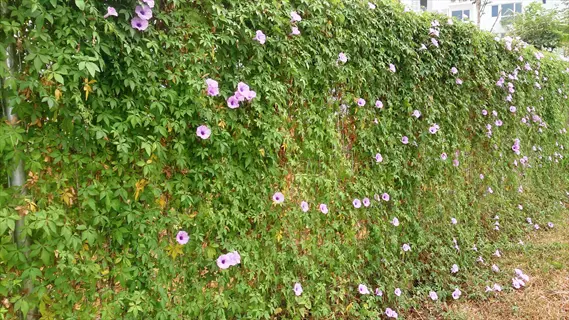
- Best use: Train it along sturdy fences, arbors, and pergolas where you want fast green cover and dramatic fall color.
- Self-clinging: It needs no tying in, since adhesive sucker disks let it grip wood, stone, and masonry on its own.
- Fall display: Leaves turn brilliant crimson red in autumn, with the strongest color in full sun.
- Privacy: Dense summer foliage screens views quickly, making it useful along property lines.
- Maintenance: Expect to trim runners once or twice a year to keep it on the structure you chose.
- Surface note: Keep it off painted walls, gutters, and wood siding, where the disks can leave marks or trap moisture.
Star Showers And Engelmannii
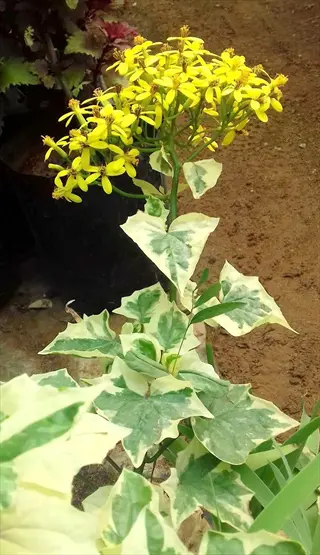
- Star Showers: A variegated selection with white-marbled leaves that brighten shady spots and turn pink-toned in fall.
- Engelmannii: A finer-textured form often chosen for a slightly more refined, smaller-leaved look on walls.
- Why pick a cultivar: Named selections offer more controlled looks for gardeners who find the straight species too plain or vigorous.
- Same care: Cultivars share the species' tough, adaptable nature and self-clinging climbing habit.
- Availability: Look for these at specialty and native-plant nurseries rather than big-box garden centers.
- Placement: Variegated foliage scorches less in part shade, so site Star Showers out of harsh afternoon sun.
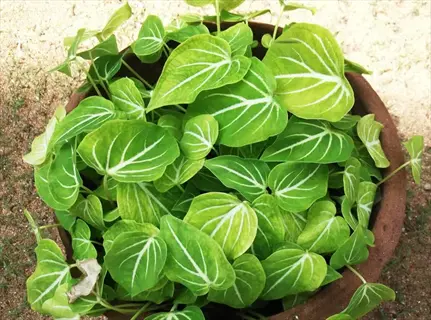
Parthenocissus Henryana
- What it is: Chinese Virginia creeper, a related species with smaller, velvety leaves marked by silvery-white veins.
- Tidier habit: It is less rampant than common Virginia creeper, making it a calmer choice for smaller gardens.
- Fall color: Foliage shifts to rich red tones in autumn, much like its bolder cousin.
- Best site: It prefers a sheltered, part-shaded wall where the leaf veining shows off best.
- Hardiness: It is a little less cold-hardy than common Virginia creeper, so it suits milder areas better.
- Use: Choose it where you want the self-clinging look without the full vigor of the native species.
Its fruits are eaten by songbirds, squirrels, opossum, raccoons, and other mammals. Bees and other pollinators enjoy the nectar from the flowers.
How To Remove It Safely
Removal is the most searched problem people have with this plant, so let's solve it the right way. Most advice on how to get rid of virginia creeper tells you to cut it back or spray the leaves and stop there. That fails. The vine regenerates from horizontal stems and roots, so one cut just sends up fresh shoots within weeks.
Here is the first thing to understand. Real virginia creeper control means killing the roots, not just the part you can see. The USDA Forest Service notes that the plant sprouts again from its stems and roots. That is the whole reason cutting alone never works on an old vine.
The method that does work is cut stump treatment. You cut each main stem at the base, then paint herbicide on the fresh stump within minutes so it travels down and kills the root system. Don't let the word herbicide scare you. A small dab on a stump uses far less chemical than spraying a whole wall, and it keeps the spray off plants you want to keep. Follow the ordered steps below to kill virginia creeper for good.
Sever each main stem close to the ground with loppers or a saw, then peel the upper vine away from walls or trees by hand.
Within minutes of cutting, paint or dab a brush-and-vine herbicide onto the fresh stump so it travels down to the roots.
Slide a flathead screwdriver under stubborn adhesive sucker disks to free them from siding, brick, or bark without gouging.
For young plants, dig out the roots while the soil is moist, removing as much root as possible to limit resprouting.
Bag all cut stems and pulled roots for disposal rather than composting them, since fragments can root and regrow on moist ground.
Check the area through the next season and re-treat any new sprouts promptly before they re-establish a strong root system.
Virginia creeper resprouts from horizontal stems and roots, so cutting alone almost always brings it back. Cut-stump herbicide is what actually stops it.
Removing from walls takes patience because the adhesive sucker disks grip hard. Pull the vine off by hand, then slide a flathead screwdriver under each leftover disk to pop it free. This lifts the disks without gouging your siding or brick.
The disposal step matters more than people think. Here is the plain fact. Bag every cut stem and pulled root and put it in the trash, never the compost pile. Pieces left on moist soil can root and start a whole new plant, which undoes all your work in a single season.
5 Common Myths
Virginia creeper is the same as poison ivy, so touching it always gives you the same itchy, blistering rash.
They are different plants. Virginia creeper has five leaflets and no urushiol, while poison ivy has three leaflets and causes the rash.
Virginia creeper berries are harmless wild fruit, much like grapes, so you can taste a few without any real risk.
The berries contain calcium oxalate and oxalic acid and may be fatal if eaten in quantity by people or pets.
Virginia creeper is an invasive species that escapes everywhere, so it should never be planted in a home garden.
In the United States it is a native, noninvasive vine. It grows aggressively, but it belongs in the local ecosystem.
Virginia creeper needs a trellis or wires to climb, just like clematis and other twining garden vines do.
It climbs on its own using tendrils tipped with adhesive sucker disks, so it needs no support to scale most surfaces.
Cutting Virginia creeper down to the ground once is enough to kill the whole plant for good.
It resprouts vigorously from horizontal stems and roots, so lasting removal usually needs cut-stump herbicide treatment.
Conclusion
The virginia creeper vine comes down to one simple rule once you know it well. Count the leaflets. Five leaflets mean you have this harmless native, while three leaflets point to poison ivy and a rash you want to avoid. That one check settles most of the worry people carry about this plant.
You also know how it grows now. It can put on up to 20 feet of growth in a single season and thrives across USDA zones 3 to 9. It is a native plant here, not an invasive one, even though it can spread fast. The berries hold the real toxicity risk, since they carry oxalic acid and can harm people, dogs, and cats who eat them. Good vine care mostly means giving it room, a strong support, and a yearly cut to keep it in bounds.
Here is the honest verdict. This is a plant of the right place. Put it on a sturdy fence, an arbor, or a bank that needs holding. You get blazing fall color and real wildlife value from songbirds and pollinators. Take it off your house walls, gutters, and any weak structure. Its sucker disks dig in fast, and the weight piles up over the years.
As more gardeners shift toward low-maintenance, wildlife-friendly yards, a tough native vine like this one earns its spot. You now have what you need to decide for your own garden. Grow it where it can run, keep it where it already serves you, or pull it where it does not belong. The choice is yours, and you can make it with confidence.
Glossary
- Adhesive sucker disks
- Sticky pads at the tips of the vine's tendrils that let it grip walls and bark without any support.
- Calcium oxalate raphides
- Tiny needle-shaped crystals in the plant's berries that cause swelling and pain if chewed or swallowed.
- Cold stratification
- Chilling seeds for a set period to mimic winter and improve how well they germinate.
- Cut-stump treatment
- Painting herbicide onto a freshly cut stem so it travels to the roots and stops the vine resprouting.
- Deciduous
- A plant that drops all of its leaves each year, leaving bare stems through winter.
- Noninvasive native
- A plant that belongs to the local ecosystem and does not harm habitats, even if it grows vigorously.
- Tendril
- A slender, branching shoot the vine uses to climb, ending in the adhesive sucker disks.
- Urushiol
- The oily compound in poison ivy that causes an itchy, blistering rash; Virginia creeper does not contain it.
External Sources
Frequently Asked Questions
Is the Virginia creeper vine poisonous?
Yes. The berries contain calcium oxalate and oxalic acid and may be fatal if eaten by people or pets, though the rest of the plant is far less dangerous.
Is Virginia creeper poisonous to touch?
Virginia creeper has no urushiol, so it does not cause a poison-ivy rash for most people, but its sap can irritate sensitive skin.
What should you do if you touch Virginia creeper?
Wash the area with soap and water, since the sap can irritate sensitive skin even though it carries no urushiol.
How fast does a Virginia creeper grow?
Very fast. Established plants can grow as much as 20 feet (6 meters) in a single season.
How invasive is Virginia creeper?
It is a native, noninvasive vine in the United States, but it grows aggressively and needs managing near homes.
Where is the best place to plant Virginia creeper?
Plant it on a sturdy fence, arbor, or sloped bank, well away from house walls, gutters, and small trees.
How do you grow Virginia creeper?
Plant it in almost any soil with some sun, give it strong support, and propagate by cuttings, layering, or stratified seed.
What does Virginia creeper look like in winter?
In winter it is leafless, showing bare woody stems, many-branched tendrils, and adhesive sucker disks on walls and bark.
Should you get rid of Virginia creeper?
Keep it where you have room for wildlife and fall color, but remove it where it climbs walls, gutters, or weak structures.
Is Virginia creeper a good plant to have?
Yes, in the right spot. It delivers brilliant fall color, feeds wildlife, and controls erosion, but it needs room and management.