
A chocolate vine is a fast, twining woody climber. Its small spring flowers give off a faint chocolate scent, and that sweet smell is how the plant earned its name. The chocolate vine plant wraps its stems around fences and trellises. It will grab any shrub nearby and pull itself up with surprising speed. Once it likes a spot, it climbs fast.
Botanists know it as Akebia quinata. It sits in the plant family Lardizabalaceae. The vine grows wild across China, Japan, and Korea, where it scrambles over rocks and woodland edges. You can spot it by the leaves. Each leaf has five leaflets in a palm-like fan. Each leaflet runs about 1.5 to 3 inches (3.8 to 7.6 cm) long with a soft, rounded tip. Once you learn that leaf, you will pick the plant out at a glance.
You will hear a few names for it. You will see it sold as five-leaf akebia for its leaf shape. You may also find it tagged as raisin vine for the dried look of its ripe fruit. If your plant tag shows any of those names, you are looking at the same vine. It came to the United States in 1845 as a garden climber. That date comes from the IUCN Global Invasive Species Database. Gardeners wanted it for quick cover and purple flowers, and it gave them both.
Speed is the trait that sets this vine apart. NC State Extension rates its growth as Rapid. Your plant can reach up to 40 feet (12 m) long when it is happy. New shoots stretch out fast in a single season, so your trellis fills in quicker than it would with most other climbers. Plant it for cover and you can hide a bare fence in one summer. That speed is the whole appeal. It is also the whole problem, as you will see below.
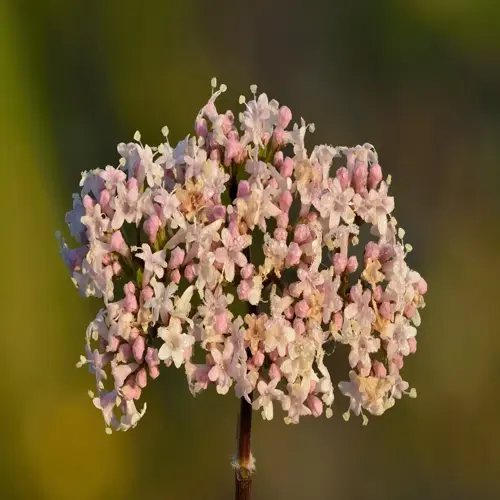
You will see the flowers in early spring, hanging in small clusters. They are a dusky purple to maroon. You get separate male and female blooms on the same plant. After a warm summer, the female flowers can set sausage-shaped pods that ripen in fall. The edible fall fruit splits open to show soft, sweet pulp dotted with black seeds. You can eat that pulp, and it is a common snack in the plant's home range. If you want fruit, grow two vines so your flowers can cross-pollinate.
The chocolate vine is deciduous to semi-evergreen. In mild winters it may hold some of its leaves. Where the cold bites harder, it drops them and rests. It is hardy in USDA Zones 5 to 8, which covers a wide band of the country. Check your zone first so you know how it will behave in your yard. Give it sun or part shade and plain soil. Water it while the roots settle. After that it asks for very little from you, though you will need to prune it once or twice a season to keep it in bounds.
One warning matters before you plant. This vine is invasive across much of the eastern United States. It climbs over native shrubs and roots wherever its stems touch the ground. It can take over your yard fast, and it can jump the fence into a neighbor's beds. If you live in an affected state, your county may even restrict it. Check your local rules before you bring one home. You can keep it tame in a pot or on a hard surface where the stems cannot reach soil.
So that is the short answer to your question. A chocolate vine plant is a vigorous, sweet-smelling climber with five-leaf foliage and tasty fall pods. It gives you fast cover, spring color, and fruit you can eat. It also spreads hard, so you have to stay on top of it. Want the full picture? Read our care guide and our guide to its invasive habits. Then you can decide if this fragrant climber fits your space.
Read the full article: Chocolate Vine: Complete Care Guide