Plant dill and fennel within sight of each other and you get a quiet cross-pollination problem. Seed you save from either one then tastes muddled and off. That single issue sits at the center of fennel companion planting. Keep your fennel away from dill first. Then keep it clear of tomatoes, beans, and the cabbage family, and give your fennel a corner of its own.
Fix the dill issue before anything else. Both plants flower in the same flat umbrella shape. They trade pollen freely when you let them bloom close together. The Wisconsin Extension notes that dill cross-pollinates with fennel. The seed you collect afterward carries a blurred, off flavor. That seed tastes like neither one herb nor the other. If you ever save seed, this should matter to you.
The trouble with fennel and dill runs deeper than flavor. Fennel also releases compounds that many gardeners report slow the growth of nearby crops. Your fennel will not pair well with most things in a vegetable bed. So the short list of plants to avoid near fennel covers far more than one herb. A few of your common crops belong on that list.
- Keep away: dill: Cross-pollinates with your fennel and ruins saved seed flavor on both plants.
- Keep away: tomatoes: Widely reported to grow poorly next to fennel and lose vigor over your season.
- Keep away: beans: Your bush and pole beans tend to sulk when fennel sits close by.
- Keep away: cabbage family: Your broccoli, kale, and cabbage all do better with fennel out of the bed.
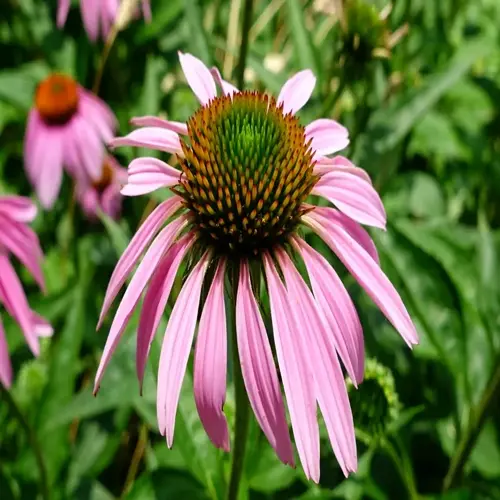
- Pairs fine: ornamental flowers set well apart, which pull aphids and other pests toward themselves and away from your food crops.
Your tomatoes show this clash most clearly. Set fennel beside a tomato plant and the tomato often stalls. You get weaker growth and a smaller harvest. The same variety grown across your garden does much better. Your beans react the same way and lose their early push. The cabbage crowd does better too, including broccoli, kale, and your cabbage itself. Each one wants fennel out of the bed.
There is one bright side to all of this. Fennel makes a fine trap plant when you set it apart on its own. The yellow flowers draw aphids, slugs, and other pests away from the crops you care about. So fennel still earns a place in your garden. You just have to pick the right place, far from the rows fennel would harm. I recommend the sunniest edge you can spare.
The fix is simple once you stop trying to slot fennel into your main rows. Give your fennel a dedicated spot at the edge of the garden. A large pot works just as well. Pick a far corner where nothing important grows close. This keeps your fennel clear of the crops it bothers. You also keep it clear of the herb it cross-breeds with. One corner solves both problems for you at once.
A separate corner pays you back at harvest too. Fennel throws a heavy seed set each year. The dry flower heads scatter hundreds of seeds if you leave them on the plant. Your deadheading gets far easier when fennel stands on its own. You can cut every head before it drops. You also stop fennel from seeding itself across beds where you never wanted it.
So the rule for good fennel companion planting holds steady for you. Keep fennel away from dill, tomatoes, beans, and the cabbage family. Hand fennel a corner of its own instead. Your saved seed stays true to type. Your vegetables keep their vigor. And your end-of-season cleanup turns into a five-minute job. You skip the chase across the whole garden, and you start next spring with one less mess to sort out.
Read the full article: Fennel Plant: Grow, Care, and Harvest Guide