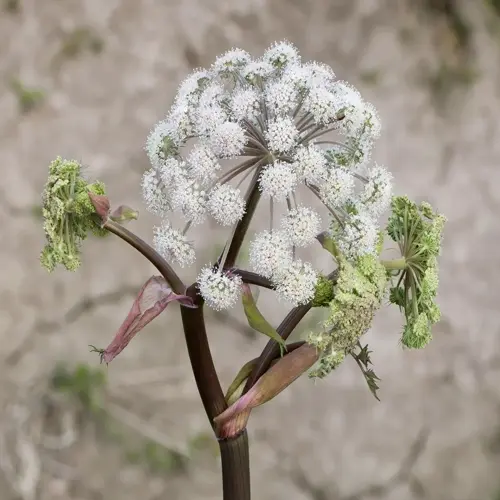

A warm cup of tea at night is an old sleep habit. Many people sip it and feel calm fast. The tie between chamomile and sleep comes down to one part of the flower. That part is a plant compound named apigenin. It is the piece most often blamed for making you drowsy. So the short answer is simple. The flower holds apigenin, and that is what gets the credit for sleepy nights.
Now for what the science can prove and what it cannot. Lab work on apigenin chamomile levels is clear. The compound is real. It does sit in the dried flower heads you steep. But proof that your mug works like a sleep pill stays thin. Some of the calm you feel may come from the warm drink. Some may come from your quiet routine and your time away from screens. That does not make your sleepy feeling fake. It just means the story behind your tea has more than one cause.
Apigenin works on a spot in your brain. The spot it locks onto is one of the benzodiazepine receptors. Some calming drugs act on this same group of spots in your head. That is why people draw the link so often. When the compound fits one of these spots, it can slow your nerve signals. A slower nerve buzz makes you feel less wound up. The chamomile calming effect that you hear about fits this idea on paper. The brain chemistry lines up well.
The snag is the dose you get. Apigenin is about 16.8% of the flower's flavonoids. That number comes from a 2022 study by Sah and a team of researchers. It sounds big at first. But not much of it slips into your mug of hot water. So the amount that reaches your brain from one cup stays small. That gap between a lab dish and your real teabag sits at the core of the whole debate. It is the reason your nightly cup may feel milder than the headlines promise.
Honest sources stay careful here. The NCCIH, a part of the NIH, has a plain take. It says we lack enough proof to rate how useful chamomile is for any health issue. A 2019 review went looking for sleep proof. It found one insomnia study, and that study showed no clear gain. So the research has not caught up to the fame. You should take bold sleep claims on a tea box with a grain of salt.
None of this means you should toss your tea. A calming bedtime habit holds real worth for you. The chemistry may be small, but a warm cup still tells your body the day is done. So treat your chamomile as a nice wind-down ritual. Do not lean on it as a cure for your sleep woes. It should sit next to your good sleep habits, not stand in for them or for a doctor's care.
Want the best cup? Steep the flowers 6 to 8 minutes with a lid on top. The lid traps the oils in the water so they do not float off as steam. Drink it warm about half an hour before bed. Pair your cup with dim lights and no phone in hand. A small ritual like this can cue your body to rest. If your sleep trouble drags on for weeks, drop the guesswork and see a provider. Long insomnia can point to a cause that no cup of tea will fix on its own.
Read the full article: Chamomile Plant Growing and Care Guide