
Arthur Pembroke
Reading almost fifty papers on the pH balance in peat moss makes it feel refreshingly more remarkable and enjoyable. While I still start each morning with walk-through test plots, I am often knee-deep in research on heirloom varieties of wheat. If you happen to care for such things, my first research grant was to study the allelopathy of walnut trees. However, sometimes new science can develop just by coincidence while watching squirrels burying acorns around those same trees. Science lives in data; science lives in dirt.
A graduate student once adamantly proposed sterilizing all seed trays in our lab. "We have to rule things out," he would say sincerely without smiling. When he wasn't looking, I planted ours in unwashed garden soil passed down in the family. Our seedlings outgrew theirs by three weeks. Now, however, I purposefully add the benign microbes on the plant's leaf surfaces required by local plants into the greenhouse starts. One of the other ways I do it is to rub some native leaves between your palms before planting; the skin easily transfers the local fungi to your garden, and you can let biology do its thing.
Last fall, community volunteers met with me to map mycorrhizal networks under a city park. High school students took soil cores so they could track the hyphae. Watching their faces melt into shocked emotions as they viewed ecosystems hidden in plain sight beneath dandelions—priceless. I challenge you to try something similar. Press an old glass jar against the edge of your garden bed and probe sideways. You will witness complex partnerships of roots living with fungi that no textbook can describe. Email a picture of the jar you found to me, and we can compare how your beans negotiate with the clover in your garden. Sharing science will help it grow even more!
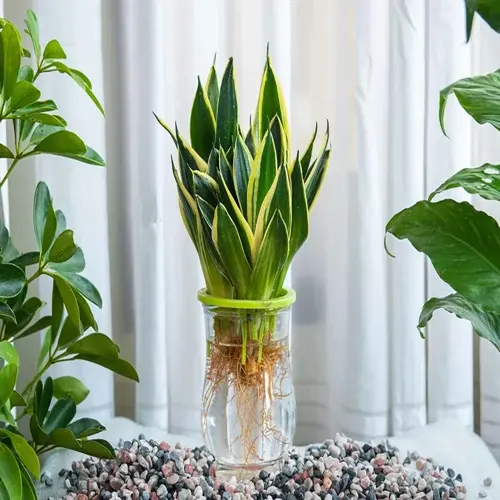
Snake Plant Propagation: A Complete Guide
Snake plant propagation made simple: four proven methods plus exact timing, temperature, and troubleshooting backed by plant experts.
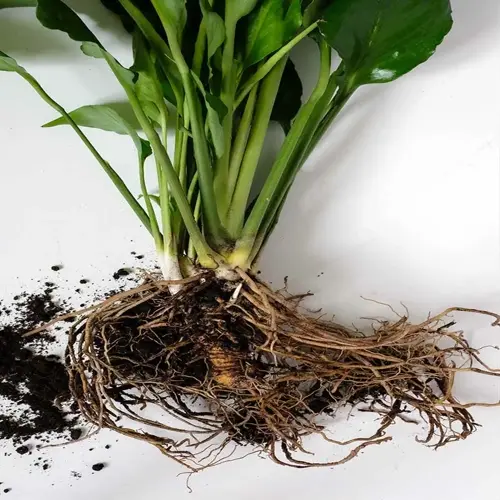
Peace Lily Propagation: Easy Guide
Peace lily propagation made simple. Learn the division method, timing, water vs soil, and aftercare to grow new plants for free.
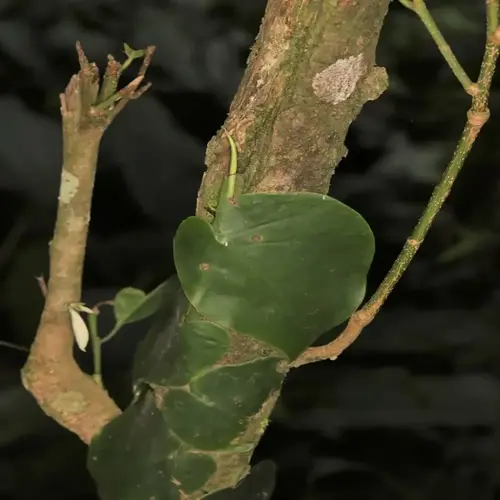
Monstera Propagation Made Simple
A clear monstera propagation guide covering nodes, water vs soil, rooting media, realistic timelines, and how to fix failed cuttings.
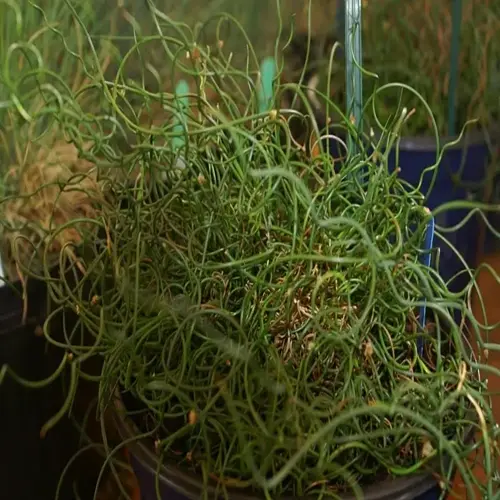
Corkscrew Rush: Complete Care Guide
Corkscrew rush care made simple: light, water, soil, pruning, winter care, and how to keep its curly green stems healthy.
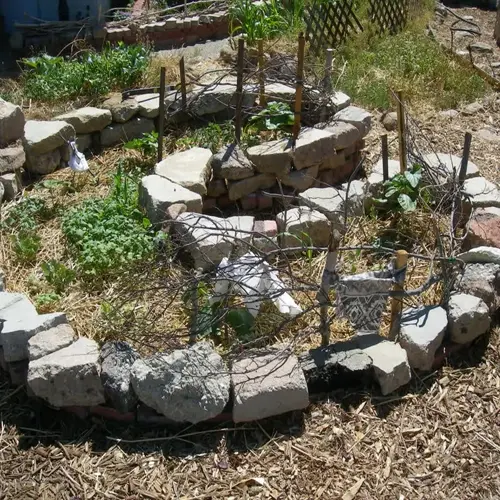
Keyhole Garden: A Complete Beginner Guide
A keyhole garden is a waist-high, water-wise raised bed with a central compost basket. Learn how it works and what to grow.

20 Best Cottage Garden Plants for Charm
Discover the best cottage garden plants, with care, spacing, design, and pollinator tips to build a romantic, low-maintenance flower garden.
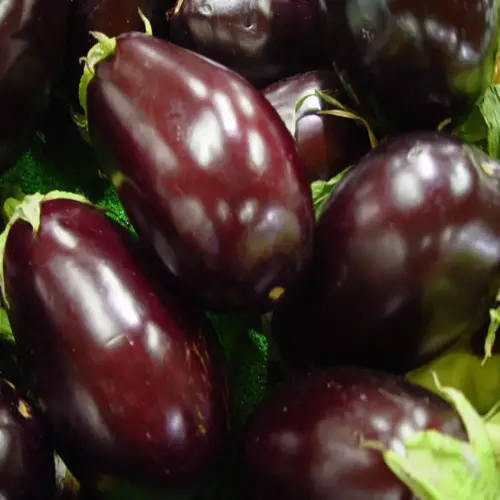
Eggplant Growing: Complete Garden Guide
Eggplant growing made simple: heat, watering, spacing, pests, and harvest tips from university extension sources for a strong, tasty crop.
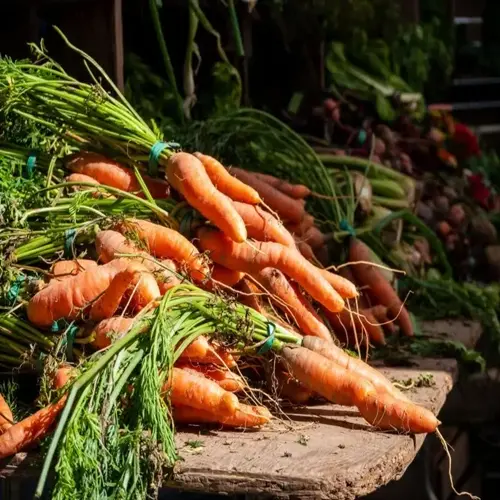
Carrot Growing Guide: Seed to Harvest
Carrot growing made simple: get the soil, sowing, watering, and harvest timing right for sweet, straight roots from your own garden.
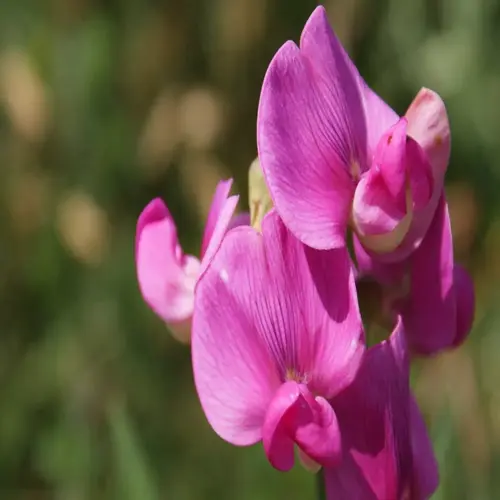
Sweet Pea Vine: Complete Grow Guide
A complete sweet pea vine grow guide: plant, support, feed, and bloom this fragrant climber, plus clear pet and human safety facts.
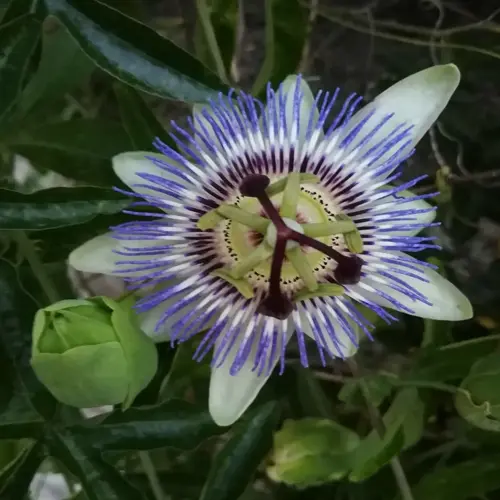
Passionflower Vine: Grow, Care and Uses
A passionflower vine guide covering planting, care, the edible maypop fruit, butterflies, toxicity and science-backed wellness uses.
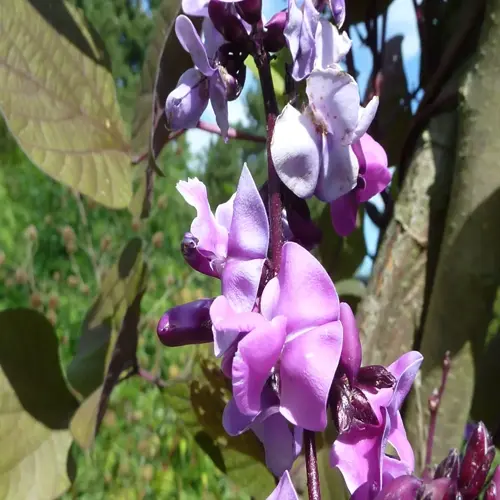
Hyacinth Bean Vine Growing Guide
Hyacinth bean vine grows fast in full sun with purple flowers and pods. Learn planting, care, safe edibility, and benefits.
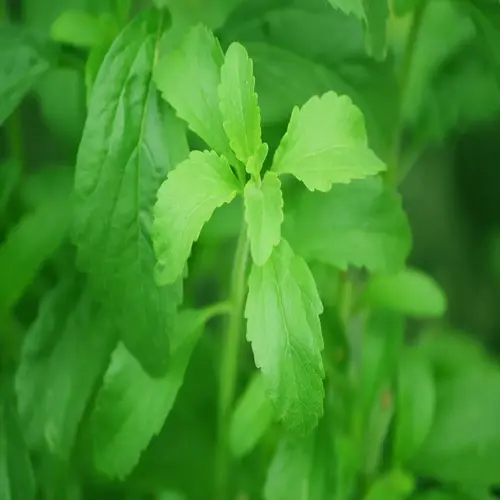
Stevia Plant: Grow, Harvest, and Use It
The stevia plant guide: grow this sweet herb, harvest its leaves at peak sweetness, dry them, and use them as a zero-calorie sweetener.
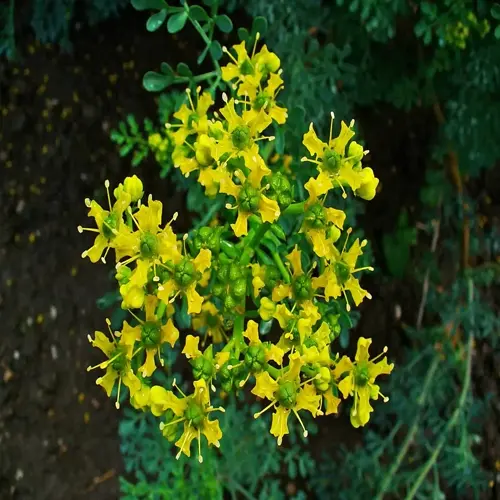
Rue Herb: Uses, Benefits, and Real Dangers
Rue herb explained: what it is, its traditional benefits, culinary and spiritual history, and the real toxicity risks you must know first.
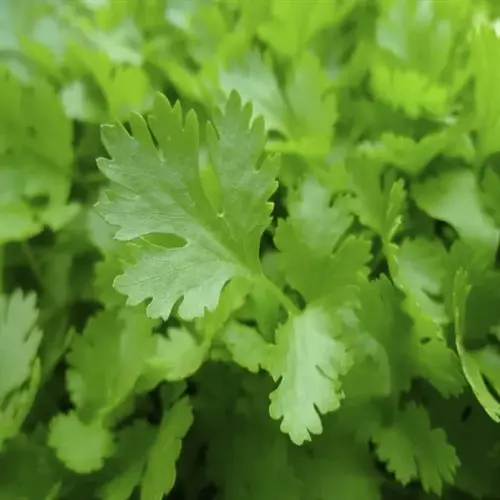
Cilantro Plant: Complete Growing Guide
Grow a thriving cilantro plant with this guide to planting, beating bolting, harvesting, pots, pests, and the famous soapy taste.
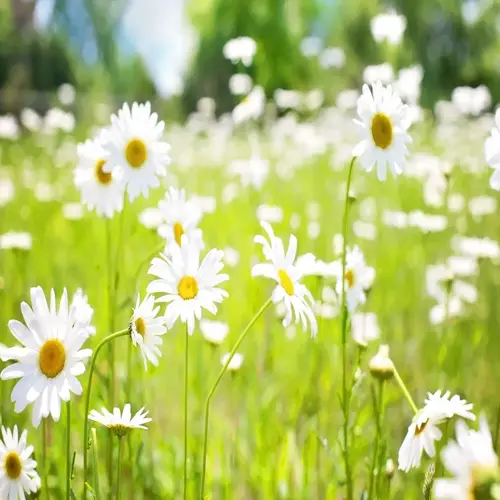
Chamomile Plant Growing and Care Guide
Learn to grow and use the chamomile plant, from seed to tea, with care tips, the two species explained, and honest safety facts.
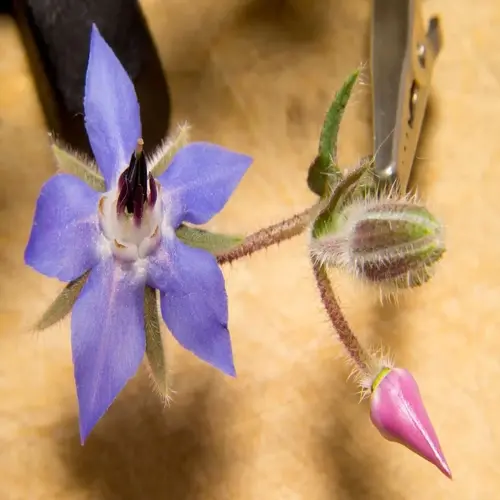
Borage Plant: Grow, Eat & Use It Safely
Borage plant guide: how to grow it, eat the flowers, use the seed oil, and stay safe with honest, extension-backed facts.
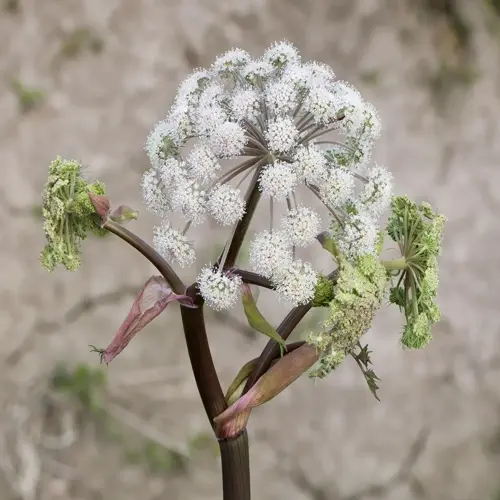
Angelica Plant: Full Grow and Use Guide
The complete angelica plant guide: how to identify, grow, harvest, and safely use this towering licorice-scented herb in your garden.
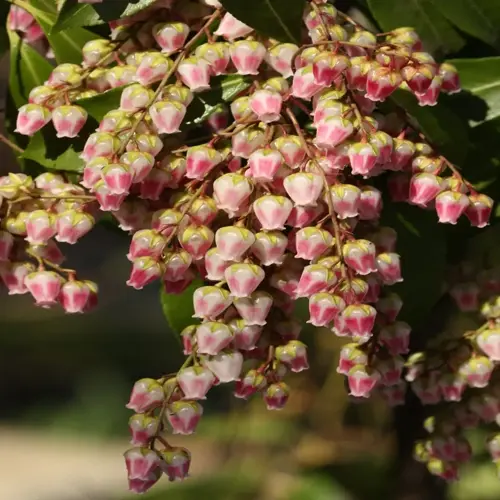
Pieris Japonica: Grow, Care, Safety Guide
Pieris japonica grow and care guide with sourced facts on light, acidic soil, pruning, cultivars, pests, and real toxicity safety.