
Introduction
The rue herb carries one of the strangest reputations in the plant world. For roughly 2,000 years people have praised it as a cure for almost everything. Yet modern medicine now calls it genuinely toxic. That gap between old fame and hard science is exactly what makes this plant worth getting right.
Botanists call it Ruta graveolens. Most people call it common rue or the old nickname herb of grace. A 2024 peer-reviewed review found 231 chemical compounds inside it, and that chemistry cuts both ways. Some of it explains the old uses. Much of it explains the harm. Drugs.com is a clinical reference from Wolters Kluwer. It puts the matter bluntly. Rue cannot be recommended for any use because of its severe side effects.
Most articles about rue pick a side. They either gush about rue benefits and skip the danger, or wave a vague warning with no real detail. This guide does neither. Every health and safety claim here rests on Tier 1 medical and botanical sources. I also keep tradition and proof in separate boxes. When something is folklore, you will know. When a hospital case report backs it up, you will know that too.
Rue sits at an odd crossroads of medicine, cooking, gardening, and belief. You will see all of it here. The supposed benefits, and the real rue dangers. What it tastes like, and why cooks use only a pinch. Its role as the biblical herb of grace, and how to grow it without burning your skin. I keep gloves by the rue in my own garden for that exact reason. The honest payoff is simple. Rue is great to read about and grow, but risky to swallow. So the real value is knowing the plant, not using it on a whim.
What Is Rue Herb?
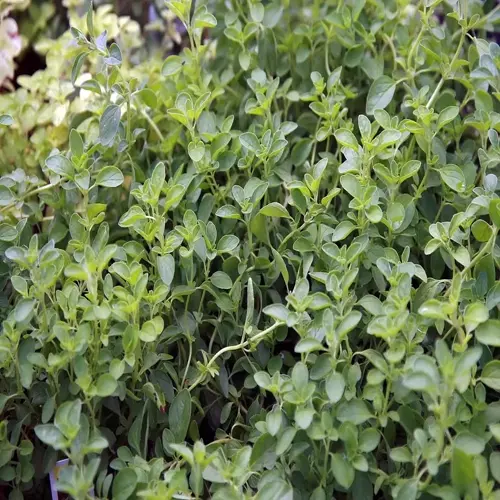
The rue herb is a small evergreen shrub with feathery blue-green leaves and clusters of dull-yellow flowers. Botanists know it as Ruta graveolens, a member of the Rutaceae family. It grows close to the ground and keeps its leaves all year, so it earns the label evergreen perennial shrub. Brush against it and you get a sharp, almost acrid smell that sticks to your fingers.
Rue is native to the Balkan Peninsula and the Mediterranean. It took root in dry, rocky soil long before gardeners spread it around the globe. Look close at the leaves and you will spot tiny glands packed with the oils that give the plant its bite. You will see it called common rue or garden rue when growers want to set it apart from look-alikes.
That smell is the first thing you notice. It is strong, bitter, and a little harsh, closer to burnt grass than to a soft garden herb. The scent has won rue both fans and critics over the centuries. You might prize it for the punch, or you might keep it at the edge of your garden so the odor stays put.
One name confusion trips up a lot of readers, so clear it up now. Common rue is not the same plant as Syrian rue, which scientists call Peganum harmala. They look different. They grow in different places. Their chemistry is not the same. Mixing up the two is a real source of bad information online, so always check the botanical name before you trust a claim.
Rue answers to many names, and each one hints at its long reach across cultures. In Latin America people call it ruda or arruda. In old Catholic and folk lore it became the herb of grace. So if you ask for another name for rue, you will get a different answer in almost every country. Those names set up the spiritual story we cover later.
Rue Herb Benefits and Uses
People ask about rue health benefits because this plant has a huge folk reputation. In the Mediterranean and Latin America, rue was the herb you reached for. Folks used it to treat almost anything. That is why so many websites say rue herb good for your joints, your gut, and your cycle.
Here is the honest version. I dug through the studies behind these claims. Most Ruta graveolens medicinal uses rest on tradition and lab work, not on proven results in people. Think of it like a recipe that looks great on paper. The ingredients sound good. But the real taste test is a human trial, and it has mostly not happened for rue.
So I label each use below with its evidence level. Some claims do have real lab data. A rue coumarin cut arthritis by 84% in animals. That almost matched the drug indomethacin at 87%. Rue also fought a stomach germ called H. pylori in dish tests. Its antimicrobial power left a clear ring around 22 mm wide.
Human proof is thin. One small trial gave 40 people 6 grams a day for 90 days. Their blood flow scores got better, and their LDL cholesterol dropped. But that is one tiny study, not a green light. Read each benefit and ask where it falls between a hopeful lead and a real fix.
Anti-inflammatory and pain relief
- Tradition: Rue has long been applied for arthritis, joint pain, sprains, and sciatica in folk medicine across the Mediterranean.
- Evidence: A rue coumarin reduced collagen-induced arthritis by 84% in animal studies, close to a standard anti-inflammatory drug.
- Reality check: These results come from lab and animal models, not human clinical trials, so the pain-relief benefit stays unproven in people.
Antimicrobial activity
- Tradition: Rue was used to clean wounds and fight infection long before bacteria were understood.
- Evidence: Lab tests show potent activity against the stomach bacterium Helicobacter pylori and stronger effects on Gram-positive bacteria.
- Reality check: Antimicrobial action in a dish does not mean rue safely treats infections in the human body.
Menstrual regulation
- Tradition: Rue is one of the oldest emmenagogue herbs, taken to stimulate or restore menstruation.
- Evidence: Rue contains rutin and compounds that can stimulate uterine contractions, which is exactly why it is dangerous in pregnancy.
- Reality check: The same property that some seek can cause uterine bleeding and harm, so this is a risk, not a safe remedy.
Insect and pest repellent
- Tradition: Dried rue and fresh sprigs were hung in homes to repel flies, fleas, and other insects.
- Evidence: Rue's strong volatile oils give it genuine repellent qualities, and gardeners still grow it to deter some pests.
- Reality check: This is one of rue's safer, more practical uses, since it works outside the body rather than inside it.
Notice the pattern in that list. The insect repellent use holds up best. It works outside your body, so the risk stays low. The internal uses lean on tradition and animal data. That goes for pain relief and menstrual regulation alike, since solid human proof is still missing.
Treat every rue benefit you read online as traditional or laboratory evidence unless a human clinical trial is named. Promising lab results are not proof that rue is safe or effective to consume.
Rue Toxicity and Side Effects
Here is the part most herb guides bury at the bottom. Rue is genuinely toxic, and that fact deserves to lead, not close, any honest write-up. The most common harm is not a dramatic poisoning at all. It is skin damage triggered by light, and you can get it just from brushing against the plant on a sunny day.
The numbers behind the worst rue side effects are sobering. One big dose can kill. Drugs.com says more than 100 mL of rue oil, or about 120 g of leaves, can bring violent stomach pain, vomiting, and death. In one case a 78-year-old woman took rue for just 3 days. Her heart slowed, her blood stopped clotting right, and her kidneys failed. She needed a blood-cleaning machine to survive.
I pruned rue once with bare hands on a bright June afternoon. By the next day my wrist had angry red welts where the sap had dried in the sun. The skin reaction has its own grim record in the medical files too. One woman put rue on her skin and then used a tanning bed, and she ended up with second-degree burns over about 85% of her body. That is how bad rue toxicity gets when UV light is added.
Because of rue's potential for severe adverse effects, clinical trials are limited; therefore, use cannot be recommended for any indication.
So how does a plant burn you only after the sun comes out? The answer is a group of compounds called furanocoumarins. The most active one in rue is psoralen. These molecules slip into the DNA of your skin cells and sit there. When ultraviolet light hits them, they form damaging chemical bonds, and your skin reacts with blisters that look and feel like a burn.
Think of it this way. Rue does not burn you on contact. It loads your skin like a primed photo plate, and the sun is the flash that sets it off hours later. The fancy name your doctor will use for this skin burn is phytophotodermatitis. Rue is one of the garden plants most often blamed for it. Your blisters can show up a full day after you touched the leaves, so you rarely link the two.
The internal dangers are just as real. Rue is hepatotoxic in large doses. That means it can poison the liver, and it can harm the kidneys too. Harvard toxicologists group rue with pennyroyal and blue cohosh. All three are an abortifacient, an herb taken to end a pregnancy. Poison-center data show more liver, kidney, and blood problems in people who used rue this way. It also makes the womb cramp, so it is off-limits in pregnancy.
So is rue safe to take internally? The honest answer is no. There is no proven dose, the benefits in humans stay unproven, and the harm is well documented. Grow it, smell it, use a tiny pinch in cooking if you must, but wear gloves and stay out of the sun afterward. For anything beyond that, talk to a medical professional first.
Rue in Cooking and Flavor
One rue shrub by the south-facing back fence, three springs since I planted it, blue-green and gland-studded where I see it from the kitchen window. One spring I pinched off a single small leaf and chewed it. The bitterness flooded my whole mouth in a second and lingered for minutes. It explained, right there, why every old recipe asks for just a pinch.
So what does rue taste like? It is bitter in a way few kitchen herbs ever reach, sharp and almost medicinal at the back of the tongue. The rue flavor does not mellow or turn sweet the way basil or sage can. It announces itself and stays. This is the whole reason rue is a seasoning of restraint, not a herb you toss in by the handful.
Is rue edible? Yes, in the smallest amounts, which is the only way it has ever belonged in food. A tiny pinch flavors a dish, but the same plant turns toxic in quantity. So cooking with rue means one leaf or a sprig steeped fast and then pulled out. A handful is not a bold choice. It is a dangerous one.
Rue lives on in a few regional foods for this reason. It is part of berbere, the warm spice mix from Ethiopian and Eritrean kitchens. You also find it in some Mediterranean dishes and in the Italian drink grappa alla ruta, where a sprig sits in the bottle. In most cuisines this bitter herb has faded out. It is just too harsh and too easy to overdo.
- A tiny pinch of leaf in a spice blend such as berbere.
- A single sprig briefly infused, then removed, in some regional dishes.
- Pairing with strong, fatty, or sour foods that balance the bitterness.
- Brewing strong rue tea or drinking it daily as a remedy.
- Eating rue leaves as a salad green or generous cooking herb.
- Using rue oil or concentrated extracts, which can be toxic in small volumes.
The split above comes down to one rule that the bitterness teaches you on the first bite. A pinch is flavor and a handful is harm, with very little room between the two. If a recipe calls for more than a leaf or a quick sprig, that is your sign to walk away from it.
The Spiritual History of Rue
Few garden plants carry as much story as rue. People hung it over doors. They sprinkled it in churches. They wove it into family tales long before anyone knew its chemistry. The rue spiritual uses you read online come from old belief, not proven power. That gap matters as you sort folklore from fact.
Rue has worn many cultural hats. It was a churchyard blessing plant, a home charm against bad luck, and a sign of sorrow in books. Each role gives you a window into how people once saw plants. So treat these customs as belief, not proof of anything magic, when you read about them.
The nickname herb of grace is the clearest case. In old Catholic blessing rites, priests used small bunches of rue. They dipped them to flick holy water over the crowd. That simple act tied the plant to mercy, and the name stuck for hundreds of years.
People often ask what does the Bible say about rue, and the answer is short. Rue shows up just once, in Luke 11:42. It sits there beside mint and other garden herbs that people tithed. It reads as a plain kitchen plant, not a holy or magic one. That fact gives you a handy check against bigger claims you might find online.
The folklore runs deeper in Latin America. There rue is known as ruda or arruda. Families grew it to guard against the evil eye. That is the old belief that envy or a hard stare could bring harm. A pot of ruda by the door was a quiet form of rue protection, and many homes still keep one today.
Rue also shows up a lot in rue in witchcraft and folk magic. People hung it as a charm or carried it to ward off harm. In plays and old heraldry it stood for regret. That is why writers long called it the herb of sorrow. The big claims about 9 holy herbs or the most powerful herb on earth have no solid source. So read those as online folklore, not as a real list you can trust.
Ancient Mediterranean
Rue was prized as a protective and medicinal plant and woven into Greek and Roman daily life.
Biblical era
Rue is named once in the Bible, in Luke 11:42, among common garden herbs people tithed.
Medieval and church tradition
Used to sprinkle holy water in Catholic blessing rites, earning rue the nickname herb of grace.
Folk and protective magic
Hung as a charm and used in evil-eye and warding customs, especially as ruda in Latin America.
Literature and heraldry
Appears as a symbol of regret and repentance in plays and as a motif in European heraldry.
Growing and Handling Rue Safely
Red streaks showed up on my left forearm a day after a sunny trim. They sat right where I had brushed the rue shrub by the south-facing back fence. They puffed into blister-like welts that traced the exact path of the sap. Now I use gloves and wait for an overcast hour. Bare skin in the sun is how this plant gets you.
The good news about how to grow rue is that it asks for almost nothing. This tough evergreen shrub wants full sun and poor, well-drained soil. It shrugs off dry spells once the roots take hold. I let mine form a tidy mound of blue-green leaves as garden rue. It works as both a looker and an old-school pest border.
But growing rue and handling rue safely are two different skills. The sap holds compounds that burn skin in the sun. Touch the plant with bare hands, go out in the sun, and blisters show up hours later. So smart rue care means gloves and long sleeves each time you cut or prune. Never work the plant in bright sun. The steps below keep both your shrub and your skin in good shape.
Plant rue in full sun in poor, well-drained soil; it dislikes wet roots and thrives where many herbs struggle.
Set plants where people will not brush against the foliage, away from busy paths, doorways, and children's play areas.
Once established, rue is drought tolerant and needs little watering, making it an easy, low-maintenance shrub.
Always wear gloves and long sleeves to cut or shape rue, and handle it on an overcast day or in the evening.
Wash any skin that touched the plant and keep that skin out of strong sunlight to avoid burn-like blisters.
Never handle rue with bare skin on a sunny day. The combination of rue sap and sunlight, not the plant alone, is what triggers severe burn-like blisters hours later.
5 Common Myths
Because rue is a natural herb, drinking rue tea is gentle and completely safe for everyday wellness.
Natural does not mean safe. Medical sources document that rue can cause vomiting, organ damage, and death in larger doses.
Rue tea is a reliable, traditional way to safely bring on a late period or end an unwanted pregnancy.
Rue often fails to end a pregnancy while still causing dangerous harm, and it is strictly contraindicated during pregnancy.
Rue is just a flavorful kitchen herb you can use freely like parsley, basil, or other common greens.
Rue is intensely bitter and toxic in quantity, so it is used only in tiny pinches, never as a generous cooking green.
Simply brushing against the rue plant in your garden is harmless and cannot possibly hurt your skin.
Rue sap contains furanocoumarins that, combined with sunlight, can cause severe burn-like blisters on exposed skin.
Modern science has fully proven that rue cures infections, cancer, and a wide range of human diseases.
Most rue research is from lab and animal studies; human evidence is limited, and use cannot be recommended for any indication.
Conclusion
The rue herb carries one of the most divided stories in the plant world. For centuries people leaned on it as a charm, a bitter spice, and a folk cure for almost everything. Yet the honest message here is a dual one. Ruta graveolens is a real beauty with deep roots in history, but it is also genuinely toxic.
Most of the famous rue benefits rest on lab dishes and animal trials, not on proven results in people. That gap matters. A plant can fight germs in a test tube and still hurt you in a cup of tea. The documented facts leave readers with one plain truth. Use of rue cannot be recommended for any internal purpose.
The rue dangers are not rare side notes either. Large doses can be fatal, and they have sent people to the hospital with organ damage. Rue is unsafe during pregnancy and should never be used to end one. Even a light touch of the leaves followed by sun can trigger burn-like blisters on your skin.
So where does that leave you on rue safety? The plain value of this whole guide comes down to a calm choice. Treat rue as a story to read and a plant to admire, not a remedy to swallow. I keep a single rue plant in my own garden for the silver-blue foliage and the bugs it shoos away, and I never put it near my mouth.
A balanced view beats a hard sell here, so let the appeal of rue stay where it belongs. What makes this little shrub so striking is that a single plant shows how it can be medicine, food, charm, and hazard all at once. Enjoy the lore and the beauty, respect the risks, and talk to a doctor before any medicinal use.
Glossary
- Abortifacient
- A substance used in an attempt to end a pregnancy, which rue can do while causing serious harm.
- Emmenagogue
- An herb traditionally taken to stimulate or bring on menstruation.
- Furanocoumarins
- Light-activated compounds in rue that react with sunlight to damage skin cells.
- Hepatotoxic
- Capable of causing damage to the liver.
- Phytophotodermatitis
- A burn-like skin reaction that happens when certain plant chemicals on the skin are exposed to sunlight.
- Psoralen
- A furanocoumarin in rue that binds to skin-cell DNA and reacts with ultraviolet light.
- Ruta graveolens
- The botanical name for common rue, an aromatic blue-green evergreen shrub.
- Rutaceae
- The plant family that includes rue and citrus, known for aromatic oil glands.
External Sources
Frequently Asked Questions
What is rue herb and what is another name for it?
Rue is a bitter, blue-green evergreen perennial shrub (Ruta graveolens) also called common rue, herb of grace, garden rue, and ruda.
What does rue taste like?
Rue tastes intensely bitter and sharply aromatic, so cooks use only a tiny pinch, such as in Ethiopian and Eritrean berbere spice blends.
Is rue herb safe to eat or drink as tea?
Rue is genuinely toxic. Tiny culinary pinches are traditional, but larger amounts and rue tea can cause serious harm, so internal use is not recommended.
What are the side effects of rue?
Side effects can include:
- Severe burn-like skin blisters after sun exposure
- Stomach pain and vomiting
- Liver and kidney damage
- Uterine bleeding and miscarriage risk in pregnancy
What is rue herb good for?
Traditionally rue was used for menstrual regulation, pain, and as an insect repellent, but most benefits are only supported by lab and animal studies.
What is rue used for spiritually?
Rue is used in folk traditions for protection, warding off the evil eye, cleansing, and good fortune, though these are cultural beliefs, not proven effects.
Why is rue called the herb of grace?
Rue earned the name herb of grace from its old use in sprinkling holy water during Catholic blessing rituals and its links to repentance.
What does the Bible say about rue?
Rue appears once in the Bible, in Luke 11:42, where Jesus mentions tithing mint, rue, and other garden herbs while neglecting justice.
Is rue the same plant as Syrian rue?
No. Common rue (Ruta graveolens) and Syrian rue (Peganum harmala) are different, unrelated plants with very different chemistry and effects.
How do you grow and handle rue safely?
Grow rue in full sun and dry soil, and always wear gloves when handling it to avoid the sap that causes sun-triggered skin burns.