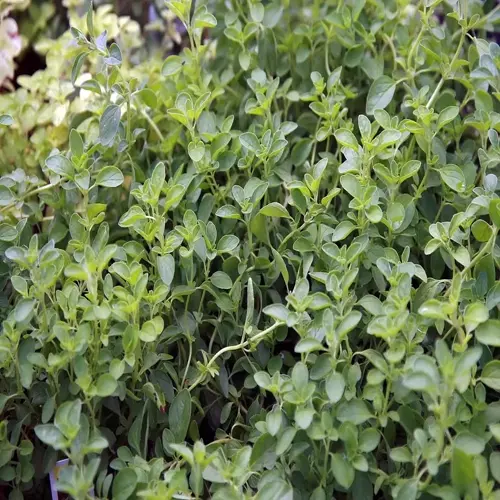

The rue taste hits you as sharp, intensely bitter, and almost musky all at once. It is one of the most pungent herbs you can put on your tongue. A single small leaf is enough to coat your whole mouth with bitterness that lingers for a long time. There is no gentle warm-up phase with this plant. The bitterness arrives fast and stays put well after you swallow.
I pulled one tiny leaf off the rue shrub by the south-facing back fence and chewed it raw. The bitterness flooded my mouth in about two seconds flat. My tongue went numb at the edges, and a soapy, resinous note crept in behind it. That one bite made every old recipe that calls for just a pinch of rue make perfect sense. I reached for water within seconds, and the bitter film still hung around for a good ten minutes after that.
So why is this bitter herb so brutal in such a small dose? Rue is packed with strong volatile oils and bitter plant compounds. These oils give off a heavy, almost rubbery scent that you smell before you ever taste it. The same compounds that make rue smell so loud also make it taste fierce on your palate. I noticed the rubbery smell on my fingers long before I ever raised the leaf to my mouth. Your nose gets the first warning, and your tongue gets the full hit a moment later.
The plant carries a high load of these oils right inside the leaf glands. Crush a leaf and you release them at full strength. That is why the rue flavor turns harsh and unpleasant the moment you use more than a trace. A little gives a clean, bracing bitter edge that can wake up a dull dish. A lot just tastes like medicine. The line between a nice accent and a wrecked plate is razor thin with rue.
I have tasted plenty of bitter greens, and rue sits in a class of its own. Arugula and dandelion bite back a bit, but you can still eat a whole salad of them. Rue is closer to a strong spice than a leafy green. You measure it by the pinch, not the handful, and the difference shows up on the very first bite.
Real cooks still find a place for that sharp rue taste when they handle it with care. Rue is one of the spices in berbere, the bold Ethiopian and Eritrean blend used in stews and braises. You also find it in some old Mediterranean dishes, where a bit of rue cuts through rich, fatty food. The Italians even steep it in grappa to make grappa alla ruta, a spirit with a green herbal bite. In each case the herb plays a small supporting role, never the lead.
The golden rule of cooking with rue is restraint. You use a tiny pinch of the chopped leaf, or you drop a sprig into a hot dish and pull it back out after a minute or two. That brief soak passes on the aroma without flooding the food with bitterness. You never treat rue like parsley or basil and toss in a big handful. Start with less than you think you need. You can always add a touch more, but you cannot pull the bitterness back out once it spreads.
There is a safety reason for that light touch too, not just a flavor one. Rue is toxic in large amounts and can cause real stomach upset and worse if you eat a lot of it. So the small dose protects both your dinner and your health at the same time. Keep the rue flavor as a faint accent, taste as you go, and the herb earns its spot. Push past a pinch and you ruin the plate.
Read the full article: Rue Herb: Uses, Benefits, and Real Dangers