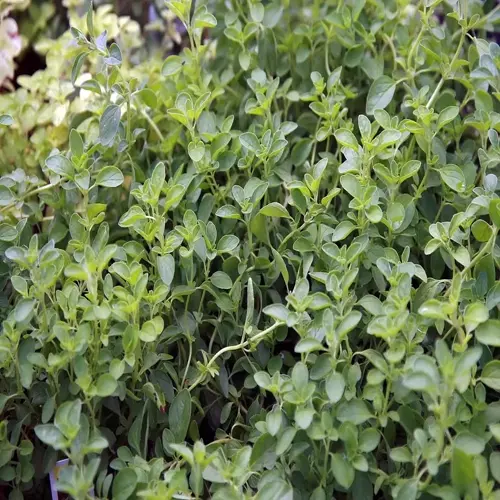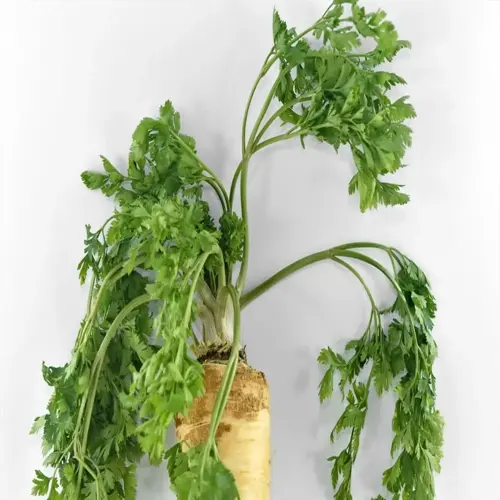

A tiny pinch of rue used to flavor a dish is one thing. A brewed cup of rue tea or a medicinal dose is another thing entirely. The quantity draws the line, and rue tea safety is where that line gets crossed. Internal use of rue is not recommended. The plant is genuinely toxic in the amounts a tea or remedy delivers.
So is rue safe? In a recipe, a few chopped leaves add a sharp, bitter note. In that amount they pass through your body without harm. The trouble starts when people steep a handful of leaves into a strong drink. They treat that drink like a wellness tonic. The jump in dose changes everything. You go from a flavor accent to a real chemical load. Your liver and kidneys have to handle all of it.
The danger tracks the dose, and the numbers are not vague. Medical reports tie serious rue toxicity to large amounts. That means more than 100 mL of rue oil or roughly 120 g of leaves. At those levels people suffer violent stomach pain and repeated vomiting. Worse complications can turn life-threatening. A brewed tea sits in a gray zone. But it pushes you toward that range far faster than any sprinkle in a stew ever would.
Rue tea is not a safe wellness drink. Medical sources document organ damage and fatalities from large doses, and rue is strictly off-limits during pregnancy.
Here is where the gap between a culinary pinch and a real dose shows up in plain numbers.
Medical sources do not hedge much on this. The adverse effects are so severe that the documented position is blunt. Use of rue cannot be recommended for any indication. That covers every claimed benefit, from cramps to colds. One case report tells of a patient who took rue. A few days later they needed hemodialysis. The kidneys took the brunt of the damage. That outcome is not a fluke. It is the kind of harm drinking rue can set in motion.
The symptoms can build over hours, not seconds, which makes rue sneaky. You drink the tea, feel a bit of stomach upset, and brush it off. Then the cramping, vomiting, and dizziness ramp up. By the time the worst hits, the dose is already in your system. There is no easy way to take it back. This delay is part of why people underestimate the risk and drink a second cup before the first one shows its full effect.
Pregnancy raises the stakes to another level. Rue has a long folk history as an agent to bring on a period or end a pregnancy. That very history is the warning. The same action that threatens a developing pregnancy also threatens the person drinking it. Are you pregnant or trying to be? Then keep rue out of your cup, your recipes, and your supplement shelf. There is no safe dose to chase here.
The smart move on rue tea safety is simple. Treat rue as a strong-flavored garnish at most. Never use it as a tea or a home remedy. If a label or an old recipe tells you to brew it for health, skip it. Talk to a doctor before any medicinal use of rue. Do not let a pretty plant in the garden fool you. The leaves are not gentle. Avoid drinking rue tea altogether, and you sidestep the whole risk.
Read the full article: Rue Herb: Uses, Benefits, and Real Dangers