
Most rue herb uses come from folk tradition, not modern science. People have used the plant for joint pain, menstrual cramps, wound care, and as a bug repellent. Many of these claimed rue health benefits still have little human proof behind them. Its old name as a near cure-all grew over centuries of home use. That was long before anyone ran a real trial on it.
You should treat that long history with care. The most reliable rue medicinal uses are the ones you apply outside the body or in the garden. The internal remedies carry real risk, and that is the part most people miss.
Here is what the plant was used for and how strong the proof is for each one.
Anti-inflammatory and pain
- Use: Folk medicine applied rue for arthritis, joint pain, and sciatica.
- Evidence: Lab and animal studies show anti-inflammatory activity, but human proof is lacking.
Antimicrobial support
- Use: Rue was used to clean and treat wounds and infections.
- Evidence: Lab tests show activity against bacteria, including Helicobacter pylori, not confirmed in people.
Menstrual regulation
- Use: Rue is a classic emmenagogue taken to stimulate menstruation.
- Evidence: This same uterine-stimulating effect makes it dangerous, not a safe remedy.
Insect and pest repellent
- Use: Dried sprigs and garden plants help repel flies, fleas, and some pests.
- Evidence: Rue's strong oils give it genuine repellent value, and this is one of its safer uses.
The lab and animal data look more promising than you might guess. One coumarin from rue cut arthritis swelling by 84% in animals. Test-tube studies also show the plant can slow some bacteria and fungi. It even slowed the germ behind many stomach ulcers in the dish. But a win in a petri dish or a mouse does not prove the same thing works in your body. Until human trials catch up, treat these rue herb uses as early hints. They are not yet proof that rue will fix what you have.
It helps to know where the active stuff sits. Rue is rich in oils and compounds like rutin and various coumarins, and those drive both its promise and its danger. The same potency that slows bacteria in a tube can also stress your organs at a normal-sounding dose. There is no safe home recipe that lets you keep the upside and drop the harm, so the plant stays risky to swallow.
That gap matters most with the internal remedies. Rue can stimulate the uterus, which is why it was taken to bring on a late period. The same action can harm a pregnancy, so you should never use it that way. High doses can also damage your liver and kidneys or trigger a rash when your skin meets the oils and then sunlight.
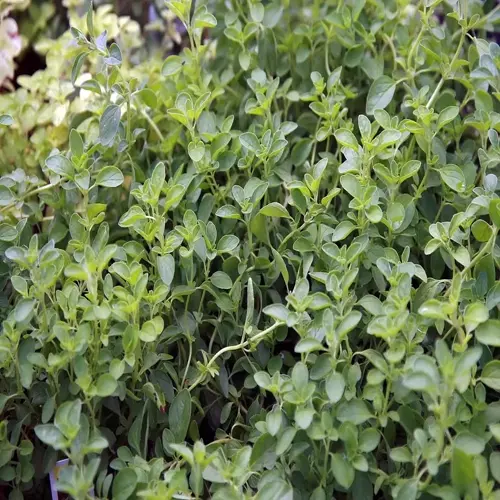
The safer side of rue lives in your garden. As a natural insect repellent, dried sprigs near doorways can push back flies and fleas. The plant's strong scent keeps some pests off nearby crops too. Many gardeners tuck rue near roses or brassicas to cut down on beetles and caterpillars. Rue also makes a tidy ornamental, with blue-green leaves that earn it a spot in many herb beds. These outdoor uses give you the value without the health risk.
If you do grow it, handle the plant with care. Wear gloves when you prune or harvest, because the sap can leave a blistering rash once your skin hits sunlight. Plant it in full sun and well-drained soil, and it will come back year after year with almost no fuss. Keep it away from spots where kids and pets graze, since a curious nibble is the most common way people get hurt by rue at home.
So treat rue as a garden plant first and a folk remedy a distant second. Of all the rue herb uses, growing it for its looks and its bug-repelling oils is the one worth your time. Skip the teas and tinctures. If you ever want to try it for a real health issue, talk to a doctor before you swallow a single leaf. The risk of harm is too high to guess on your own.
Read the full article: Rue Herb: Uses, Benefits, and Real Dangers