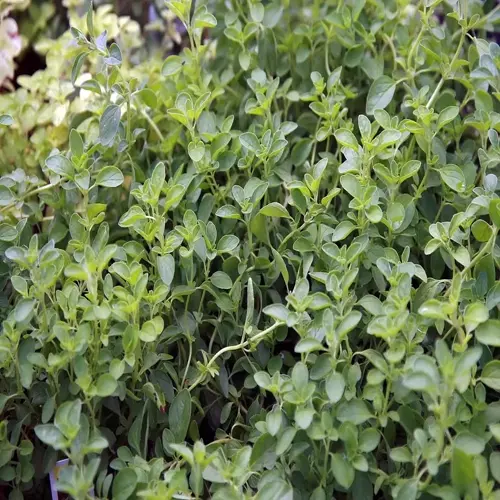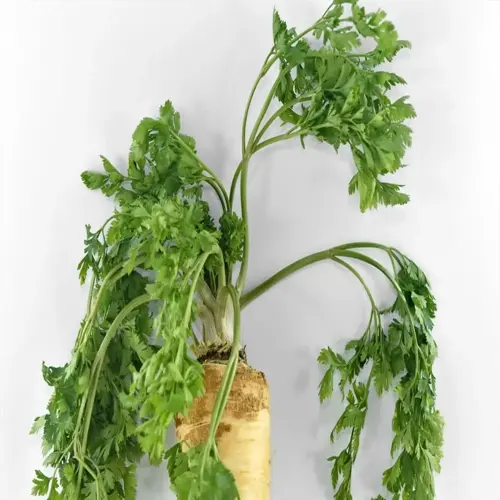

Rue in the Bible shows up exactly one time, in the Gospel of Luke. The plant carries deep folklore in gardens and old cures. So you might expect scripture to say plenty about it. The truth is plain. Rue appears in a single verse, and that verse is not really about the herb at all.
That gap may surprise you. Rue has a huge reputation across history as a healing herb and a charm against bad luck. Yet the entire weight of rue scripture rests on one short line. You will find it tucked inside a larger point Jesus was making about how people lived out their faith.
The verse is Luke 11:42. In it, Jesus speaks to a group of religious leaders and points out a problem with their priorities. They counted out a tenth of even their smallest garden plants to give as a tithe. He names mint and rue as examples of those tiny crops. The criticism was sharp. They tracked every little leaf they owed, while they passed over justice and the love of God.
So the message you find here is about balance, not botany. Jesus did not tell them to stop tithing their herbs. He told them to keep doing that, and to also weigh the bigger duties they ignored. The small careful act was fine on its own. The error was treating that small act as the whole of faith while the heart of it went missing. You can do every little thing right and still miss the point.
Notice how rue sits in that sentence. It stands next to mint as one of the biblical herbs that ordinary households grew and used every day. People in that era kept small plots of these plants for cooking and home remedies. When you list rue alongside mint, you signal just how common and humble the plant was. It was the kind of thing anyone might have growing by the door, no different from the herbs you keep on a windowsill today.
This is why the verse can throw you off at first. Rue had real value to those families, both in the kitchen and as a folk medicine. But Jesus did not pick rue for any special power. Jesus picked rue because the plant was so small and so ordinary. The point lands harder when you picture someone weighing out leaves of a backyard herb to hit an exact tenth, and then walking past a neighbor in need. You feel the missed priority in your gut.
A few practical takeaways help you here. First, do not read rue in the Bible as a stamp of approval on the herb's old medical or magical claims. Scripture says nothing about what rue can cure or ward off for you. The plant is a prop in a lesson about sincerity. Second, watch out for any verse you find pulled out of its setting. You can stretch a single name in a list into all kinds of meanings, but you should not. Let the text say what the text says.
If you want to grasp the passage well, read the whole section around Luke 11:42 rather than the one line. The verses near it show Jesus naming a string of habits. In each one, outward effort had drifted away from a sincere heart. Rue is one small thread in that larger pattern. Read it in context. Then the herb becomes a plain, everyday example. It makes the warning easy for you to picture.
The short answer holds up under a close look. Rue gets one mention. It sits among common kitchen herbs. The verse aims at the gap between careful religious habits and a caring heart. The plant itself stays in the background. So what the Bible says about rue is less about the herb. The verse asks you to keep your own priorities straight. It asks you to match your daily habits to what your heart truly cares about.
Read the full article: Rue Herb: Uses, Benefits, and Real Dangers