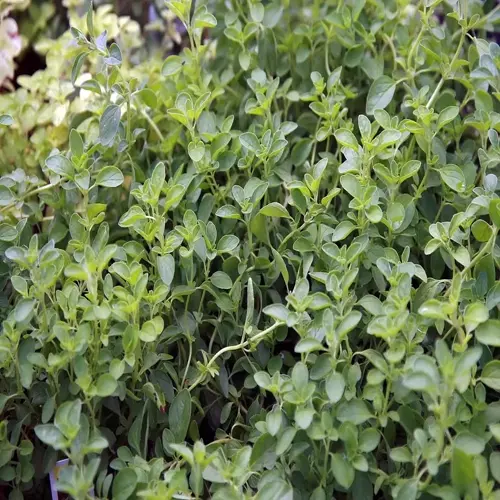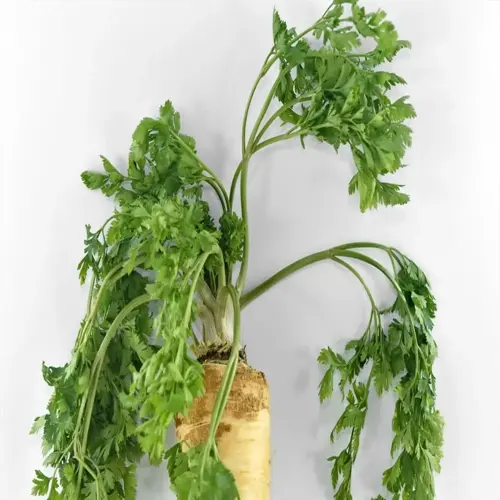

"Is that the Syrian rue I read about online?" a visitor asked me, leaning over the blue-green shrub at my back fence. I told her it was not. That bush was common rue, the garden herb, and the rue vs Syrian rue mix-up trips up more people than you would think. They are two different, unrelated plants. One is Peganum harmala, the Syrian kind. The other is the shrub I pruned that morning. She had read about one plant online and was standing next to the other.
I planted Ruta graveolens, and that is what most people mean by rue. It is a small evergreen shrub with feathery, blue-green leaves and a sharp, bitter smell. Crush one leaf between your fingers and the scent sticks to your skin for an hour. You will find this herb in old recipes, folk remedies, and the Rutaceae family of plants, which also includes citrus. That citrus link surprises people. Your lemon tree and my rue shrub are closer cousins than rue and the Syrian kind.
Syrian rue is a separate plant with a separate story. Its botanical name is Peganum harmala, and it grows wild across dry parts of the Middle East and Central Asia. It is not a shrub like the one at my fence. The two plants come from different families and behave in very different ways once you look past the name. If you go searching for one, you can land on a page about the other without noticing. That is how easy this trap is to fall into.
The whole problem starts with one shared word. Both plants carry rue in their common name, so you assume a family link that is not there. Common rue and Syrian rue look different, smell different, and affect the body in different ways. The chemistry inside each one is not the same, and that is the part that matters most for your safety. The names sit close together. The plants do not.
- Botanical name Ruta graveolens, in the Rutaceae family.
- Aromatic blue-green evergreen shrub native to the Balkans and Mediterranean.
- Known for bitter flavor and sun-triggered skin burns.
- Botanical name Peganum harmala, an unrelated plant.
- Different chemistry and effects from common rue.
- Often confused only because both share the word rue.
The difference is more than a naming quirk. The leaves of Ruta graveolens hold a group of oils that react in the sun. Brush against the shrub on a sunny day and you can end up with red, blistered skin. It looks like a real burn, and it stings like one too. Syrian rue does not do this at all. Its oils, and what they do to the body, belong to a whole other plant.
So treat any advice you find as plant-specific, not rue-specific. Always check the botanical name before you buy or use either one. A label or a website that just says rue tells you almost nothing. Look for Ruta graveolens or Peganum harmala in print. If the name is missing, ask the seller, or skip the purchase until you know what you are holding. I do this with every herb I bring home, and you should too. A two-word name on a tag protects you from a lot of trouble.
Safety information does not carry over between the two. What is true for one plant can be flat wrong for the other, and that gap is where people get hurt. Match the warnings to the exact species in your hand. When my visitor walked off, they knew the bush by my fence was the garden herb, and not the plant they had read about online.
Read the full article: Rue Herb: Uses, Benefits, and Real Dangers