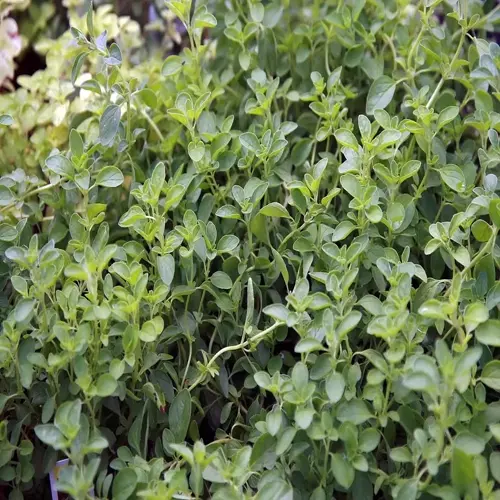

The most common documented rue side effects show up on your skin, not inside your body. Brush against the plant on a sunny day and you can get burn-like blisters hours later. Rue can also cause stomach pain and vomiting. Larger amounts can harm your liver and kidneys. It can cause serious problems in pregnancy too. The rue dangers are real. Most people never see the worst one coming, since it hits long after they touch the plant.
Doctors have a name for that delayed skin reaction, and the name is phytophotodermatitis. A plant you touch in the morning can leave you with painful welts by afternoon. The reaction needs two things. First, the plant sap has to be on your skin. Second, sunlight has to hit that same spot. One without the other does little harm. That gap in time is what fools so many people.
Here is how it works. Rue is full of plant compounds called furanocoumarins. The main troublemaker is one called psoralen. Psoralen sits on your skin and waits. When ultraviolet light hits it, the psoralen bonds with the DNA in your skin cells and harms them. Your body fights back with redness, swelling, and blisters. They look just like a bad burn. The marks left behind are dark brown. They can last for weeks or even months after the blisters heal.
Swallowing rue is where things turn serious fast. Medical reports describe rue toxicity that goes far past an upset stomach. One poisoning report shows how bad it can get. A person who took rue ended up with a slowed heart rate. Their blood would not clot the way it should. Their kidneys failed. The damage was so bad they needed a machine to clean their blood, because the kidneys had quit doing the job.
The skin cases can be just as scary. One report tells of a person who handled rue. Soon after, they used a tanning bed. The plant sap and the strong light worked together. The burns covered an estimated 85% of their body surface. A tanning bed gives off the exact light that psoralen needs. It took a small exposure and turned it into a hospital stay.
Pregnancy brings its own danger. For a long time, people used rue to try to end a pregnancy. That reputation comes from real effects. Rue can trigger uterine contractions and bleeding. This puts both the pregnancy and the mother at risk. Are you pregnant, or might you be? Then you should not touch rue products at all. That means teas, tinctures, and any supplement that lists it.
So how do you stay safe? Wear gloves and long sleeves when you garden near rue. Wash your skin with soap and water right away if sap gets on you. Cover that spot or keep it out of the sun for a day or two. Sweat and broken skin make the reaction worse, so rinse off after yard work. If blisters, a bad burn, severe stomach pain, or any sign of a serious reaction shows up, get medical care without waiting. Tell the doctor about the rue, since it points them straight to the cause. Most important of all, never take rue by mouth without a doctor's guidance. The plant has a place in cooking and folk medicine. But the harm on record is too steep to gamble with on your own. When in doubt, leave it alone and ask a professional first.
Read the full article: Rue Herb: Uses, Benefits, and Real Dangers