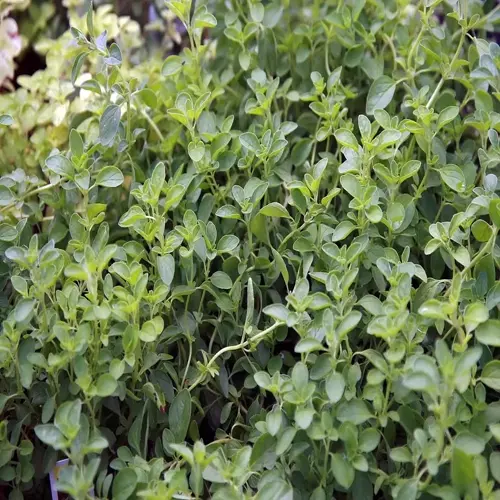

Growing rue is simple. Give it full sun, poor and well-drained soil, and water it little once it settles in. The catch is the handling. You must wear gloves and long sleeves every time you cut or brush against it, because the sap can burn your skin in the sun.
A tidy blue-green mound now anchors the dry strip along my south-facing back fence, holding its shape with almost no help from me. I planted it there for three springs before it truly settled in. One summer I pruned it bare-armed on a bright day. By that evening I noticed raised, blistered streaks up both forearms. The plant is easy. The sap is not, so you handle it covered up every single time.
Here is how to grow rue without much fuss. It is a hardy evergreen perennial that wants heat and sun, so plant it where it bakes for most of the day. It likes lean, gritty soil that drains fast, and it hates sitting in wet feet. Once the roots take hold, rue shrugs off drought and gets by on rain alone in most gardens.
Skip the rich compost and heavy feeding when growing rue in your beds. Rue grows leggy and floppy in fat soil, so a poor spot keeps it tight and full. Good rue care means light watering in the first season only, then a hard cutback in early spring to keep the mound dense. I recommend that spring trim as the one job your plant really needs from you each year, and you can do it in ten minutes.
The danger is in the sap, not the look. Rue sap holds furanocoumarins, plant compounds that react with sunlight on your skin. Get the sap on bare arms on a sunny day and you may see no harm at first. Hours later, the burn shows up as red, blistered welts. Doctors call this phytophotodermatitis, and rue is a known cause of it in the garden.
Choose a sunny spot with poor, well-drained soil; rue dislikes wet roots and thrives in dry conditions.
Keep rue clear of paths, doorways, and play areas so no one brushes against it by accident.
Once established, rue needs little water and tolerates drought, making it low maintenance.
Wear gloves and long sleeves and work on an overcast day or in the evening to avoid sun-triggered burns.
Wash any skin that touched the plant and keep it out of strong sunlight afterward.
So handling rue safely comes down to a few firm habits you keep every time. Always pull on gloves and long sleeves before you touch it, even for a fast tidy-up. Do your pruning on an overcast day or in the evening, when there is no strong sun to set off the sap on your skin. If any sap does land on you, wash it off with soap and water right away. Then keep that spot out of the sun for a day or two while your skin recovers.
Where you plant rue matters as much as how you prune it. Keep it well back from paths, doorways, and play areas so no one brushes the leaves in shorts or a t-shirt. A spot at the back of a dry bed works well, since you only go near it on purpose. I prefer a corner where my kids and visitors never wander. Treat it with respect and your rue rewards you with a tough, good-looking plant for years.
Read the full article: Rue Herb: Uses, Benefits, and Real Dangers