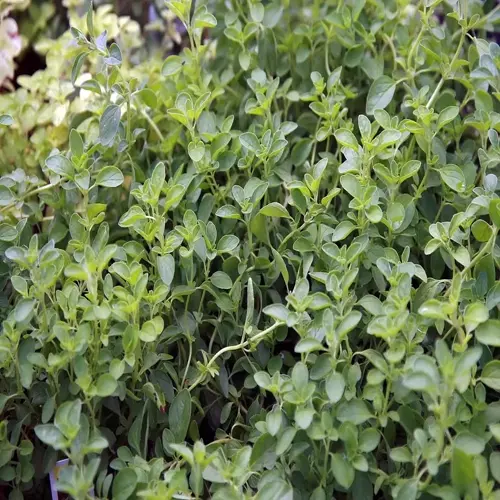

I brushed the rue shrub by my back fence on a hot afternoon. A sharp scent rose up at once. It was resinous and almost medicinal, the kind of smell that stops you mid-step. That scent sits at the heart of rue spiritual uses in many cultures. In folk tradition, people value rue for protection and for cleansing a home. These are old beliefs and customs. They are not proven effects. But they run deep, and they still shape how people treat the plant today.
The strongest thread in the folklore is rue protection. In many old cultures, people hung rue near a doorway. Others carried a small sprig with them. You would tuck it in a pocket and head out for the day. The plant earned a name as a guardian herb. That name traveled with it from one region to the next, and it stuck for hundreds of years.
Rue is tied to the evil eye more than almost any other plant. The evil eye is an old belief. People feared that a jealous stare could bring you bad luck or harm. In many homes, a pot of rue sat near the door. It was meant to soak up that bad energy. The plant would catch it before it reached the people inside. Some families still keep a pot there today.
In Latin America the plant goes by ruda or arruda. It holds a respected spot in home altars and healing customs. On a trip to Mexico, I noticed fresh ruda for sale at nearly every herb stall. These are some of the most common rue spiritual uses you will see in daily life. People add it to spiritual baths and floor washes. They tie small bundles meant to clear away heavy energy. You might also find a dried sprig tucked into a wallet. People do this to invite luck and steady money. If you grew up in such a home, you may know this plant well already.
The use of rue in witchcraft and folk magic goes back many centuries in Europe. Old spell books listed it among the herbs for breaking curses. People also used it to ward off ill will. Some wove it into a charm. Others wore it as an amulet. They trusted the plant to throw a kind of shield around whoever carried it.
People have long turned to rue for protection at the door, for clearing a home of bad energy, for guarding against the evil eye, and for inviting luck through small charms and dried bundles.
Here is the part you cannot skip. Treat all of this as cultural belief, not as medicine. None of these spiritual roles change one plain fact. Rue is physically toxic. Its sap can burn your skin in sunlight. That burn can leave a blistering rash that lasts for weeks. You should never brew rue as a tea. Never take it by mouth based on its folk reputation. The symbol and the danger are two very different things.
You can still honor these traditions in a safe way. Grow your rue in a pot where you can watch it. Handle it with gloves every time you touch it. Keep it well away from your children and your pets. You can hang a sprig by your door the way your grandparents might have. Just respect the value people give it and the real risk the plant carries. Both of those things are true at the same time, and you lose nothing by holding both in your mind.
So what is rue used for spiritually in plain terms? You get a protective herb, a guard against the evil eye, and a folk charm for luck. None of that is medicine, and the plant stays toxic no matter how you use it. Enjoy the rich history of this herb, but keep your respect for the real plant front and center.
Read the full article: Rue Herb: Uses, Benefits, and Real Dangers