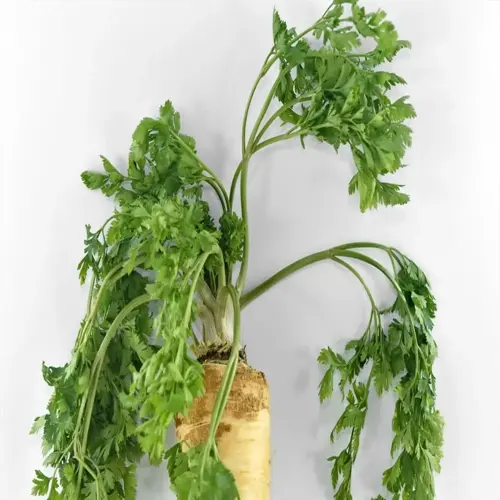

Rue is called the herb of grace for one main reason. Catholic priests once used bundles of it to sprinkle holy water over people during church blessings. The plant earned the name from this ritual, not from cooking or any health claim. It is one of rue's oldest names, and it ties the plant straight to the altar.
You will find that this rue nickname has nothing to do with flavor or medicine. Most of rue's other names point to the garden or the kitchen. The grace label points to the church door instead, which makes it stand apart from the rest when you look it up.
The link runs through an old blessing rite called the Asperges. A priest would dip a small brush or a bundle of leaves into holy water and flick it over the people before Mass. Rue was a common choice for that bundle. Sprinkling the water was an act of cleansing, so the plant that carried it picked up the same meaning of grace and a fresh start.
Grace in this sense meant mercy and forgiveness. The rite was about washing away sin and turning back to God. A plant tied to that moment of repentance took on the same weight in people's minds. Over time the name stuck, and rue held the herb of grace title in common speech across much of Europe.
There is a second thread in rue folklore that backs up the name. The word rue also means deep regret. To rue a choice is to wish you had not made it. That overlap of names was no accident in the old mind. It knit the plant to feelings of sorrow and repentance even tighter, and you can still see the link in old writing today.
Writers leaned on this double meaning for centuries. In Hamlet, Ophelia hands out rue and names it for grace, playing on both the plant and the sense of regret. The line shows how widely people knew the connection by then. Rue stood for grief, for repentance, and for the hope of mercy all at once.
The Church Origin
- Holy water rite: Priests used rue bundles to sprinkle holy water during the Asperges blessing before Mass.
- Act of cleansing: The sprinkling stood for washing away sin, so rue absorbed the idea of purification.
- Grace and mercy: The plant came to mean forgiveness and a fresh start in the eyes of the faithful.
The Symbolic Thread
- Word overlap: The word rue also means to regret, which tied the plant to sorrow and repentance.
- Literary use: Shakespeare put rue and the grace name side by side in Ophelia's lines in Hamlet.
- Lasting image: Across Europe the plant kept its place as a sign of grief, regret, and hope for mercy.
What It Does Not Mean
- Not a health claim: The grace in the name is spiritual, so it tells you nothing about the plant's safety.
- Not a flavor note: You will not pick rue for taste, since its leaves are sharp and bitter on the tongue.
- Still toxic: The plant can harm your skin and your organs no matter how gentle its old name sounds.
Keep one thing clear as you read all this. The name is a cultural and historical label, not a sign that the plant is good for you. The grace it points to is spiritual, tied to old ritual and meaning. It says nothing about any benefit for your body, so do not let the gentle word fool you.
Rue itself stays toxic. The leaves can burn your skin in sunlight, and large doses by mouth can do real harm to your organs. The pretty nickname does not soften that fact at all. If you grow rue, wear gloves and keep it away from children and pets in your garden.
So you can enjoy the history behind the name without ever putting the plant near your mouth. The story is rich, and it links a humble shrub to centuries of ritual and meaning. Just keep in mind that the grace lives in the folklore and the church rite, not in the leaves you handle today.
Read the full article: Rue Herb: Uses, Benefits, and Real Dangers