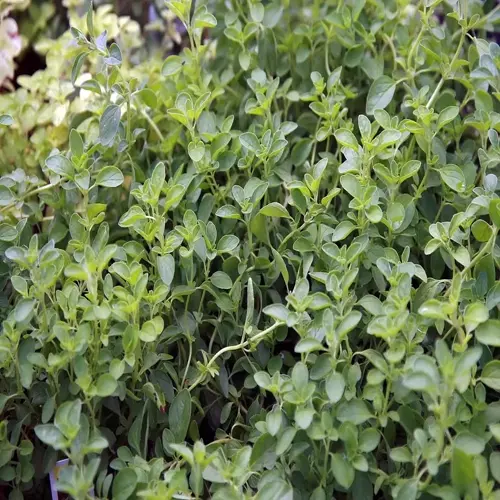

Rue herb is the small garden plant that botanists call Ruta graveolens. The most common other name for it is simply common rue. You can spot it in a second. It has feathery blue-green foliage. The leaves look as if they were dusted with a soft gray powder. Brush against the plant and it gives off a sharp, bitter scent at once. That strong smell is the plant's calling card. It tells you that you have found rue before you ever check a label.
The plant has picked up a long list of names over the centuries. The main one is common rue. You will also hear it called herb of grace and garden rue. In Spanish and Portuguese gardens it goes by ruda. Many growers in Brazil say arruda instead. So if you want another name for rue, you have plenty to pick from. They all point to the same gray-green shrub. They all share that one unforgettable smell. The names change, but the plant stays the same.
The botany is simple once you break it down. Rue is a small evergreen perennial shrub. It grows about two to three feet tall. It belongs to the Rutaceae family. That is the same plant family as citrus. The link helps explain why the crushed leaves carry such a pungent, almost lemony bite. The plant is native to the Balkan Peninsula and the wider Mediterranean. It thrives there in poor, dry, rocky soil and full sun.
In summer the shrub sends up loose clusters of small dull-yellow flowers. They are not showy at all. Most people grow rue for its striking foliage and not for the blooms. Each leaf splits into many tiny rounded lobes. That gives the whole plant a soft, lacy, almost ferny look. It sets rue apart from the herbs growing right next to it. Once you know that texture, you can pick rue out of a crowded bed at a glance.
Here is the part that trips up a lot of new growers. The name rue gets pinned on a totally different plant. That plant is called Syrian rue. Its real name is Peganum harmala. The two are not related at all. They sit in separate plant families. They look different and act different too. One will not stand in for the other. The shared word is just an old quirk of naming. It has caused more than a little confusion at garden centers. Read the label with care and you can dodge that mix-up.
This is why the botanical name matters so much. Ask for Ruta graveolens by name and you remove any doubt about which plant you are buying. A casual request for rue could land you the wrong species. The two behave nothing alike in the garden or in any preparation. The Latin name is your safety net, so use it whenever you shop for seeds or starts.
Always buy rue by the name Ruta graveolens. That one Latin label keeps you from going home with the unrelated Syrian rue by mistake.
So keep it straight in your head. Rue herb means Ruta graveolens. It is the gray-green Mediterranean shrub with the powerful scent. Its everyday names are common rue, herb of grace, garden rue, and ruda or arruda. And it has nothing to do with Syrian rue. Lock in that one Latin name. You will always know which plant you are talking about.
Read the full article: Rue Herb: Uses, Benefits, and Real Dangers