Shrub · Ericaceae
Azalea
Rhododendron
Give it acidic soil, dappled shade, and steady moisture, and the azalea pays you back with a spring that's tough to look away from.
Partial shade
Every 3–7 days
USDA 4–9
2–15 ft · 0.6–4.6 m
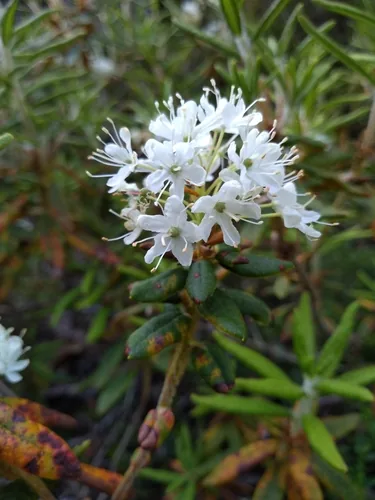
Overview
An azalea covered in bloom is about the clearest sign you'll get that spring has shown up. It sits in the genus Rhododendron in the heath family, and the name takes in both the evergreen types that hang onto their leaves and the deciduous ones that let them go. Most stay modest shrubs, though a handful of native deciduous kinds get tall enough to pass for small trees.
What ties every azalea together is a fondness for acidic, well-drained soil and the soft, broken shade you find under taller trees. The roots run shallow and stay close to the surface, which is exactly why the plant hates both drought and soggy ground. Get the soil and the spot right, though, and an azalea turns into a long-lived, slow-growing shrub that barely asks anything of you.
The flip side? An azalea in the wrong place lets you know fast. Too much sun, too much lime, or too much water, and you'll see scorched leaves, yellowing between the veins, or a plant quietly rotting at the roots. Match the plant to the place and most of that trouble simply never gets started.
Care
The short version: dappled shade with some cover from harsh afternoon sun. Keep those shallow roots evenly moist with about an inch of water a week, plant in acidic, well-drained soil full of organic matter, and mulch to hold the moisture in without burying the stem.
Light
Azaleas are after dappled or partial shade, the kind of broken light you get under tall trees. They'll handle more sun in cool climates, but harsh afternoon sun scorches the leaves and rolls out the welcome mat for lace bugs, while deep shade thins out the bloom.
Water
Keep those shallow roots evenly moist, with roughly an inch of water a week and a good deep soak whenever the top of the soil dries out. Water down low with a soaker or drip line instead of overhead, because wet leaves and flowers invite disease, and don't ever let the ground turn soggy or the roots will rot.
Soil
Plant in acidic, well-drained soil rich in organic matter, with a pH between 4.5 and 6.0. Alkaline ground locks up iron and turns the leaves yellow, so test before you plant and acidify if it needs it.
Temperature
Azaleas are hardy across a wide range, taking winter lows down near -22°F (-30°C) and summer highs up to 95°F (35°C) depending on the type. Pick a variety rated for your zone and the plant takes the seasons in stride.
Humidity
Plain old outdoor humidity works fine, so there's no number to chase here. Air movement matters more than any figure, since still, damp air around crowded plants is what lets leaf and flower diseases get a foothold.
Feeding
Feed just once, right after the spring flowers fade, using an acid-forming azalea or rhododendron fertilizer. Knock it off by early July so any late, soft growth has time to firm up before frost, and let the plant's look and a soil test tell you how much to give.
Pruning
Prune right after the spring bloom, before the plant sets next year's buds, otherwise you'll be snipping off the flowers that haven't even shown up yet. To renew an overgrown shrub, cut it back hard before spring growth starts and make your peace with losing that year's blooms; pinch the new shoots once they hit 6 to 12 inches to thicken things up.
Repotting
Azaleas hardly ever need repotting and would rather just stay put. In a container, keep an eye out for roots circling the surface, water running straight through, or stunted growth and weak flowering, all clues it's time to bump up a size.
Size & spacing
Mature size swings a lot by type, from compact 2-foot mounds to natives stretching 2 to 15 feet (60 cm to 4.6 m) tall and spreading 2 to 10 feet (60 cm to 3 m) wide. Check the variety's eventual size and hand it that much room from the start, so you never have to hack it back just to make it fit.
When to plant
Azaleas go into the ground in spring or fall, while the weather's mild and the roots get a chance to settle before summer heat or winter cold rolls in. The big show lands in spring as the buds open, and some evergreen and reblooming types come back to flower into summer or fall. Prune right after the spring flowers fade, before next year's buds have a chance to set.
Northern hemisphere
Southern hemisphere
Typical months for a temperate climate: start earlier in warm zones, later where spring frosts linger.
- Plant: Spring or fall
- Harvest: Spring (some evergreen and reblooming types flower into summer or again in fall)
Hardiness
USDA hardiness zones: 4–9
Temperature: down to -34°C
Troubleshooting
Most azalea trouble shows up on the leaves first, whether that's stippling from a pest, yellowing from the wrong soil, or a slow wilt that points back to the roots. Get to know those early signs and you can step in before a small problem swallows the whole plant. Match what you're seeing below, then act while it can still do some good.
A shrub that wilts, fades, and dies off from the roots up
If a whole azalea wilts and gives up with nothing obvious wrong on top, the likely culprit is Phytophthora root rot settling into wet, airless soil. Dig around the base and you'll find dark, rotted roots in ground that won't dry out, often because the shrub was set too deep or planted in a low, waterlogged pocket. No spray will save it, so the move is to fix the drainage, ease off the water, and replant in a raised, well-drained acidic bed with the root ball sitting at or just above grade.
Fix:
- Improve drainage and stop overwatering
- Replant in raised, well-drained acidic beds, setting the root ball at or slightly above grade
Pale, speckled leaves with dark dots on the undersides
Say hello to the azalea lace bug, the pest that hits hardest when a plant is roasting in hot, full sun. Turn a leaf over and you'll spot the flat, clear-winged adults or the spiny black nymphs hanging out next to their shiny, varnish-like droppings. Aim horticultural oil or insecticidal soap right at those undersides where they're feeding, go again as new batches hatch, and keep the shrub mulched and watered so it isn't stressed enough to invite them in.
Fix:
- Spray horticultural oil or insecticidal soap on the undersides of leaves where the insects feed
- Repeat applications as needed to cover new generations
- Keep plants vigorous with mulch and adequate moisture
Yellowing leaves while the veins stay bright green
When the leaf goes yellow but the veins keep their green, you're looking at iron chlorosis, which usually means the soil has crept too alkaline for the roots to grab the iron they need. It loves to pop up beside concrete foundations, where lime seeps into the ground. A soil test confirms it, and from there you acidify with elemental sulfur or iron sulfate; a chelated iron foliar spray is the faster fix, though it doesn't last as long.
Fix:
- Acidify the soil with elemental sulfur or iron sulfate based on a soil test
- Apply chelated iron as a foliar spray for quicker temporary correction
Toxicity
This is a plant to be careful with around animals and kids. Every part of an azalea carries grayanotoxins, and even a few leaves can poison a cat, dog, horse, or grazing animal, going after the gut, the nervous system, and the heart. Keep the shrubs, prunings, and fallen leaves away from pets and livestock, and ring a vet or poison control the moment you think something got eaten.
Toxic to
Cats · Dogs · Horses · Rabbits · Livestock · Birds · People
Cats Severe
A cat that chews even a leaf or two can start drooling and throwing up within hours, then go weak and unsteady on its feet. The grayanotoxins target the heart and blood pressure, so keep an eye out for a racing or off-rhythm beat, and in the worst cases collapse, coma, or death. Treat this as a same-day emergency, not a wait-and-see situation.
Dogs Severe
Dogs go through much the same thing as cats: heavy drooling, vomiting, and diarrhea up front, then weakness and a wobbly, staggering walk. The toxins can drag the blood pressure down and knock the heartbeat out of rhythm, leading to collapse or worse if your dog ate enough. Head to the vet straight away instead of hoping the signs settle on their own.
Horses Severe
Horses may be big, but they're far from safe here, and one browse on azalea brings drooling, weakness, and a clumsy, stumbling walk. The grayanotoxins throw off the heart rhythm and drop the blood pressure, and a poisoned horse may go down and struggle to get back up. Bad cases can be fatal, so call the vet the second you suspect something's wrong.
Rabbits Toxic
Those same grayanotoxins that take down cats and dogs make azalea genuinely risky for rabbits, whose little bodies leave almost no margin for error. Look for stomach upset, lethargy, and a wobbly, weakened animal, and treat any nibble as urgent. Keep clippings and fallen leaves well clear of hutches and runs.
Livestock Toxic
Grazing animals like goats, sheep, and cattle get poisoned by azalea too, and trouble usually kicks off when winter forage gets thin and they start turning to the shrubs. Drooling, repeated vomiting or regurgitation, a bloated belly, weakness, and a faltering heartbeat tend to follow, and big doses can kill. Fence your stock away from any plantings, and never toss prunings into a pasture.
Birds Toxic
Grayanotoxins reach birds as well, so pet and backyard birds should never get near the leaves, flowers, or nectar. A poisoned bird might go quiet and weak, turn down food, and show an unsteady, off-rhythm heartbeat. Even tiny amounts are a real danger given how little body weight a bird has to work with.
People Caution
No part of an azalea has any business on the table, and kids should be kept from chewing the leaves or flowers. Swallowing the plant tissue, or honey made from its nectar, can bring on a burning mouth, nausea, dizziness, a slow heartbeat, and a drop in blood pressure. A fatal dose is rare for adults, but anyone who's eaten any part of it should call poison control.
Keep plants, prunings, and fallen leaves away from pets and grazing animals.
Helpline numbers

United States
ASPCA Animal Poison Control: (888) 426-4435 (fee applies)
Poison Control: (800) 222-1222



Canada
Poison Centres: 1-844-764-7669
Varieties
Azaleas come in the thousands, but they sort into a few groups worth knowing by name. These are the ones you're most likely to bump into at a nursery.
Kurume hybrids
These low to medium evergreen azaleas usually stop around 2 to 3 feet and cover themselves in small spring flowers, with old favorites like 'Hinode Giri' and 'Coral Bells' heading up the group.
Southern Indica hybrids
Big and quick to grow, these evergreen azaleas reach 5 to 8 feet tall and as much as 10 feet wide, and they're happiest in the warmer end of zones 8a to 8b, with the familiar 'Formosa' in the mix.
Encore Group
These reblooming evergreen azaleas run 2 to 5 feet and live up to the name by flowering in spring and then coming back again in fall.
Rhododendron arborescens (Sweet Azalea)
A native deciduous azalea that can climb to 8 to 12 feet or more and carries fragrant white flowers.
Rhododendron calendulaceum (Flame Azalea)
A native deciduous azalea of 4 to 8 feet, grown most of all for those fiery orange to red spring blooms.
Companions
Azaleas grow best beside plants that share their love of acidic soil and filtered shade, which is why they sit so naturally under pines and next to camellias.
Plant near
Pine trees: Provide the filtered light shade and acidic, organic, well-drained conditions azaleas prefer.
Camellia: Shares the same acidic-soil, partial-shade requirements and similar care.
How to propagate
There are a few ways to multiply an azalea, from quick cuttings to slow layering, though growing them from seed is mostly something the plant breeders take on.
Stem cuttingsModerate
Mid-June to September, after new growth has hardened · Roots form in about 4 to 6 weeks; plants bloom in 2 to 3 years
Cuttings are your most reliable way to make a copy of an azalea. Take 2 to 3 inch terminal cuttings just below a node from mid-June to September, once the new growth has firmed up, then pull off the lower leaves, dip the base in rooting hormone, and tuck it into a moist growing mix. Roots show up in about 4 to 6 weeks, though that young plant won't flower for another 2 to 3 years.
LayeringModerate
Late spring on previous year's wood for air layering; stem layering when a flexible branch can reach the ground · Rooting usually occurs within 6 to 12 months
Layering is the slow and steady option, well worth it when you only want a plant or two. In late spring, use last year's wood for air layering, or just bend a flexible low branch down to the soil for stem layering. Wound the stem, brush on a little rooting hormone, and keep it moist; roots usually take 6 to 12 months to form.
SeedDemanding
Collect ripe seed in fall and sow on a moist acidic medium · Several years to flowering size
Seed is mostly for raising species, since hybrids don't come true and you can never be sure what you'll get. Collect ripe seed in fall and sow it on a moist, acidic medium. You'll need patience, because seedlings take several years to reach flowering size.
Myths
Honey is always safe, so honey from azalea or rhododendron nectar must be harmless too.
Honey made from grayanotoxin-bearing Rhododendron nectar can actually poison people, a reaction known for ages as 'mad honey' sickness. The toxins hitch a ride from the plant's nectar and pollen right into the honey. A bad batch can bring on dizziness, low blood pressure, a slowed heartbeat, and even heart block.
Azaleas do best planted deep in rich, alkaline garden soil.
That's pretty much the opposite of what an azalea wants, since its roots run shallow and need acidic, well-drained ground. Plant it too deep, or stick it in soggy, alkaline soil, and you're asking for root rot and the yellow, green-veined leaves of iron chlorosis. Plant it shallow in acidic soil and the rest tends to sort itself out.