Shrub · Ericaceae
Blueberry
Vaccinium corymbosum
Keep the soil acidic and a buddy bush close by, and you'll be picking blueberries all summer.
Full sun
Every 3–7 days
USDA 4–7
5–12 ft · 1.5–3.7 m
Overview
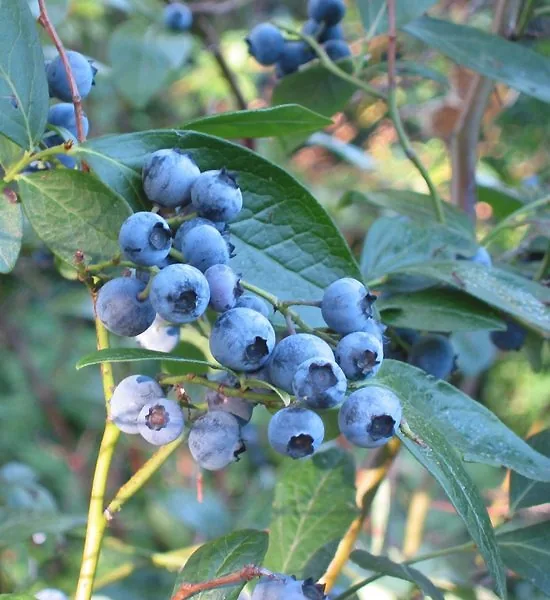
Here's the thing about the highbush blueberry: it's a hardy heath-family shrub, the same crowd as rhododendrons and azaleas. It grew up in the damp, acidic ground of eastern North America, and honestly that backstory explains just about everything it wants from you. Hand it the acidic, peaty soil it's used to and one bush can keep cropping for decades.
So what makes blueberries different from other fruit? They're picky about soil, and that's really the whole story. They want a low pH between 4.5 and 5.5, plus shallow roots that hate drying out but also hate sitting in water. Sort that out and you've got a tough plant that laughs off winters down to -22°F (-30°C) once it's settled in.
They also do their best work with a neighbor. A single bush will give you something, sure, but plant two or more varieties that flower together and you'll get bigger, earlier, more generous harvests. Just don't expect miracles right away, since a young bush usually finds its rhythm around the third growing season.
Care
The short version: full sun, acidic soil at pH 4.5 to 5.5, steady moisture for those shallow roots, and a second cultivar nearby so the flowers can cross.
Light
Blueberries fruit best in full sun, so six or more hours a day is the sweet spot. They'll put up with a bit of partial shade, but you'll trade away some yield and the berries take longer to ripen and sweeten.
Water
Keep the root zone evenly moist the whole time, which works out to about 1 to 2 inches of water a week. The roots are shallow and fine, so they dry out quick and don't really bounce back from a drought, especially while the fruit's filling out.
Soil
This is the part that makes or breaks it. Blueberries want acidic soil at pH 4.5 to 5.5, moist but well drained and full of organic matter. Work in some peat moss or pine bark before you plant, because they just won't be happy in plain old garden dirt.
Temperature
Northern highbush is seriously cold tough, taking winters down to about -22°F (-30°C) and summers up to 95°F (35°C). And those cold months actually matter, because the bush needs a good stretch of winter chill before it'll flower and fruit right.
Humidity
Regular outdoor humidity, somewhere around 40% to 70%, is all they need, so don't lose sleep over the air. Soil moisture and decent airflow do way more for the plant than fussing over humidity ever would.
Feeding
Feed from spring into early summer once growth kicks off, using an acid-forming fertilizer built on ammonium nitrogen, like an azalea or rhododendron mix. Steer clear of nitrate fertilizers and lime, since both nudge the pH the wrong direction.
Pruning
Prune in late winter while the bush is napping. On an older plant, cut out the oldest canes once they're past six years and thin any weak, crossing, or dead wood, aiming to keep 6 to 10 strong canes carrying the fruit.
Repotting
A potted blueberry needs fresh acidic mix every 2 to 3 years, whether you repot it or just top-dress. See roots circling the pot, water shooting straight through, or growth that stalls and fruits less? That's the plant telling you it's outgrown its spot.
Size & spacing
A highbush blueberry gets 5 to 12 feet (1.5 to 3.7 m) tall and spreads 4 to 6 feet (120 to 180 cm) wide. Give each bush enough room to hit full size so light and air can move through the canes.
When to plant
Blueberries run on a temperate clock, so timing is pretty forgiving. Pop new bushes in during early spring once you can work the soil, or in fall if your winters stay mild. They flower in mid to late spring and ripen through summer, so you'll be picking from June into August.
Northern hemisphere
Southern hemisphere
Typical months for a temperate climate: start earlier in warm zones, later where spring frosts linger.
- Plant: early spring once soil is workable (or fall in mild zones)
- Harvest: blooms mid to late spring; harvest summer (June to August), with full crops by the third growing season
Hardiness
USDA hardiness zones: 4–7
Temperature: down to -34°C
Troubleshooting
Most blueberry headaches come down to one of two things: soil that isn't acidic enough, or a lonely bush with nobody to pollinate it. Want a quick read on which it is? Check the leaves and the fruit set. Find your match below, then fix the cause instead of chasing the symptom.
Leaves going yellow but the veins stay green
Yellow leaves with green veins still showing? That's iron chlorosis, and it nearly always means the soil pH has crept too high for the roots to grab iron and manganese. You'll notice the newest leaves fade first while the veins hang on to their green. Test the soil, drop the pH with elemental sulfur at the recommended rate, and switch over to an ammonium nitrogen feed.
Fix:
- Acidify soil with elemental sulfur per soil-test recommendations
- Mulch with acidic pine bark or peat
- Switch to an acid-forming ammonium nitrogen fertilizer
Loads of flowers but barely any fruit
When a bush blooms its heart out but sets almost nothing, the usual reason is poor cross-pollination from growing just one cultivar. Blueberries simply do better with a partner around. Plant a second highbush variety that flowers at the same time, and look after the bees by skipping sprays while the bushes are in bloom.
Fix:
- Plant two or more different highbush cultivars that bloom together
- Encourage bees and avoid spraying insecticides during bloom
Toxicity
Good news if you've got pets or kids running around: the whole plant is safe. The ripe berries are a genuinely healthy treat, and even the leaves and stems aren't toxic. The one thing to keep an eye on is how much they eat, since a big pile of any fruit can upset a little stomach.
Safe for
People · Cats · Dogs · Horses · Rabbits · Livestock · Birds
Cats None
Blueberries are totally fine for cats, and a ripe berry or two makes a nice treat. Most cats couldn't care less about fruit anyway, so there's really nothing to worry about.
Dogs None
Dogs can eat ripe blueberries no problem, and plenty of them go nuts for them. Just keep the helping small, since a big bowl of any fruit can loosen things up.
Horses Safe
The berries and leaves are safe for horses to nibble on. Think of them as an every-now-and-then snack rather than part of the regular feed.
Rabbits Safe
Rabbits can have a berry or two as a treat. Fruit's pretty sugary, though, so go light and let hay and greens do most of the work.
Livestock Safe
Cattle, goats, and sheep can browse the bushes without any harm, since there's nothing toxic in the plant. Still, it's smart to keep a heavy load of ripe fruit on the modest side.
Birds Safe
Birds love ripe blueberries and will strip a bush bare if you let them. The fruit doesn't hurt them one bit, which is exactly why gardeners end up netting their plants.
People Safe
Blueberries are a healthy snack fresh, baked, or frozen. Everything you'd eat is safe for kids and grown-ups alike.
No special handling precautions are required around pets.
Varieties
There are hundreds of blueberry cultivars out there, grouped mostly by when they ripen. Pick a mix of early, mid, and late types and you'll stretch your picking season while giving the bushes the cross-pollination they're after.
Bluecrop
Bluecrop is a super popular midseason northern highbush that crops heavily and shrugs off hard winters.
Duke
Duke ripens early with firm, even berries, but it blooms late enough to dodge most of those spring frosts.
Elliott
Elliott shows up late and keeps you picking right into the end of summer with firm, tart fruit.
Companions
Blueberries pair well with other acid-loving shrubs that share their soil, and badly with anything that wants the dry, limey ground they can't tolerate.
Plant near
Rhododendron: Shares the same acidic, moist, well-drained soil requirements so culture is identical.
Azalea: Acid-loving ericaceous shrub with matching pH and moisture needs.
Keep apart
Lavender: Prefers alkaline, dry soil that is incompatible with the low pH and steady moisture blueberries need.
How to propagate
Want more blueberry plants? You can grow them straight from the bush you've already got. Either root some cuttings, or just pin a cane to the ground and let it root by itself.
Stem cuttingsModerate
Softwood cuttings in late spring to early summer; hardwood cuttings taken from dormant wood in late winter · 6 to 12 weeks to root, with transplanting the following season
Cuttings are how most growers make more blueberries, and they're not too tricky. Take softwood in late spring to early summer or hardwood from dormant canes in late winter, then root them in a moist, acidic peat and perlite mix kept nice and humid. They'll take 6 to 12 weeks to root, and you move them on the following season.
LayeringEasy
Spring · One growing season to root before separating
Layering is the easy way, honestly. In spring, just bend a low, bendy cane down to the soil and bury a section while it's still attached to the parent bush. It roots over one growing season, and then you snip it free as its own new plant.
Myths
One blueberry bush will fruit just fine all by itself.
A lone bush will set some fruit, since highbush types can pollinate themselves, but it never quite keeps up with a planting of two or more. Let different cultivars cross and you'll get a bigger yield, plumper berries, and an earlier harvest.
Burying coffee grounds will quickly acidify the soil for blueberries.
Coffee grounds barely budge the pH, and the little they do takes forever. The reliable fix is elemental sulfur applied to a soil test, not whatever's left from your morning brew.