Bulb · Ranunculaceae
Persian Buttercup
Ranunculus asiaticus
Pop the funny little claws into cool spring soil, and ranunculus pays you back with petals stacked like tissue paper.
Full sun
Every 3–7 days
90–120 days
USDA 8–10
Overview
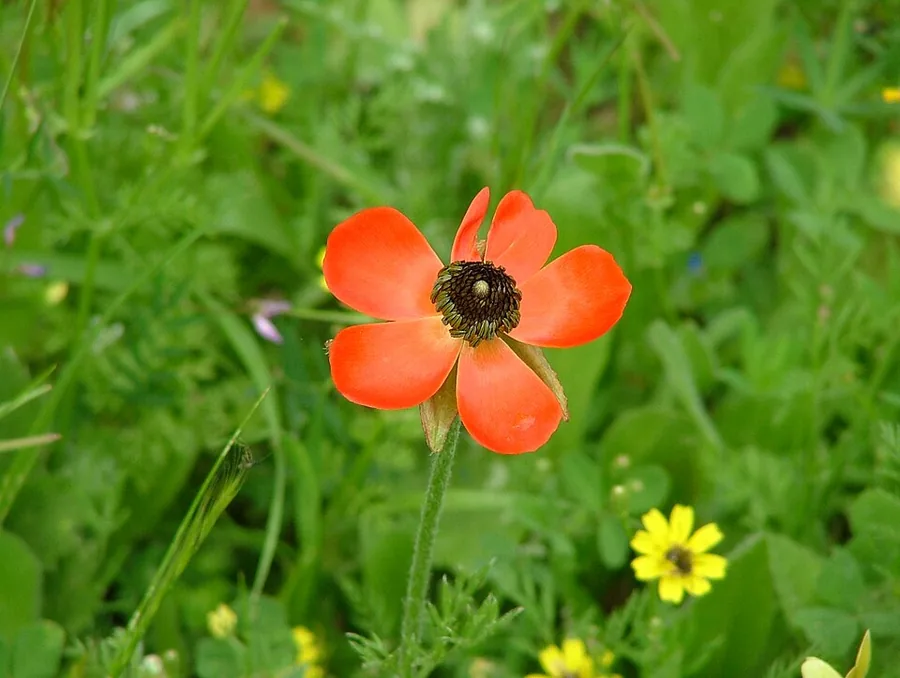
So what is Persian buttercup? It's a cool-season flower with blooms so full of thin, papery petals they almost look fake. It doesn't grow from a true bulb but from small, claw-shaped tuberous roots, and yes, it's related to those wild buttercups you spot in meadows. Florists can't get enough of it, thanks to the long straight stems and all the colors it comes in.
Here's the thing: its season is short but worth it. Plant it in cool spring weather and it flowers like crazy from late spring into early summer, then slows down when the heat shows up and goes to sleep. If your winters stay mild, it'll come back on its own year after year. If they don't, just treat it as an annual or dig the roots up and store them.
Ranunculus really isn't fussy: give it full sun, soil that drains, and even moisture that never gets swampy. The one thing it can't stand? Wet feet, which rot those tuberous roots in no time. Nail the drainage and honestly, the rest is pretty smooth sailing.
Care
The short version: full sun and cool spring weather, rich soil that drains fast, and steady moisture that never leaves the roots sitting wet, and then let it doze off into dormancy once the summer heat kicks in.
Light
Ranunculus wants full sun, and that means 6 or more hours of direct light a day. It'll cope with a bit of shade, but you'll get fewer flowers without strong sun, especially in the cool spring weather it's happiest in.
Water
Keep the soil evenly moist, but don't let it get soggy, because those tuberous roots will rot if they sit in water. Watering every 3 to 7 days is about right depending on the weather, and then you can back off as the plant heads into summer dormancy.
Soil
Go with rich, fast-draining soil that's full of organic matter, like a loam or sandy loam. A pH between 6.0 and 7.0 keeps it happy, and whatever you do, skip the heavy clay, since it hangs onto the water that rots the roots.
Temperature
This is a cool-weather kind of plant, and it does best somewhere around 28°F and 75°F (-2°C to 24°C). A light frost won't bother it, but it fades fast once summer heat arrives, and that's really what ends the blooms.
Humidity
Regular outdoor humidity is all it wants, so there's no number to worry about. What matters more is good airflow, because damp, crowded leaves are basically an invitation for rot.
Feeding
While it's growing in spring, give it a balanced liquid or slow-release fertilizer about once a month. Once it slows down and starts heading into summer dormancy, though, there's no reason to keep feeding it.
Pruning
Deadhead the spent flowers as they fade and you'll get even more blooms out of it. Then, when the leaves go yellow and it drops into dormancy, cut it back and let the roots take a break.
Repotting
If your winters are too cold for it to stay outside, lift and divide the tuberous roots every year and pop them back in come fall or spring. Crowded clumps, fewer flowers, and smaller blooms are how it tells you it needs more room.
Size & spacing
Each plant gets to about 12 to 24 inches (30 to 61 cm) tall and spreads out about the same. Give them 12 to 24 inches (30 to 61 cm) of space so air can move and the leaves can dry off.
When to plant
Ranunculus is all about the cool part of the year and wants nothing to do with summer heat. So presprout the tuberous roots indoors in late winter, get them outside in spring a few weeks before your last frost, and you'll have flowers from late spring into early summer before the heat closes things down.
Northern hemisphere
Southern hemisphere
Typical months for a temperate climate: start earlier in warm zones, later where spring frosts linger.
- Sow: Presprout tuberous roots indoors in late winter, several weeks before last frost
- Plant: Plant tuberous roots outdoors in spring several weeks before the last frost date (mild-winter areas may plant in fall)
- Harvest: Late spring to early summer (May to June)
Hardiness
USDA hardiness zones: 8–10
Temperature: down to -12°C
Troubleshooting
Most of what goes wrong with ranunculus happens at the roots or shows up when it heats up. Catch it early and you can usually turn things around. Find the symptom that matches below, then deal with it before it gets bigger.
Squishy roots and a plant that's toppling over
That's root rot, and it nearly always comes down to soil that stays way too wet. When the tuberous roots sit in heavy clay or soggy ground, they go brown, mushy, and smelly, and the plant up top slumps right along with them. Yank out the rotted roots and toss them, sort out the drainage, and replant just the firm ones in improved soil.
Fix:
- Stop overwatering and improve drainage
- Remove and discard affected plants and rotted roots
- Replant healthy tuberous roots in amended, well-drained soil
Dark, sunken spots creeping across the roots
That's black root rot, a fungal thing that blackens and rots chunks of root while the plant stalls up top. Once it's infected there's really no bringing it back, so dig it up and get rid of it instead of planting more at-risk flowers in the same spot. Clean stock and soil that drains well are what stop it from moving in.
Fix:
- Remove and destroy infected plants
- Avoid replanting susceptible plants in the same soil
- Improve soil drainage and sanitation
Flowers that give up quick once it warms up
That's just heat stress, not some disease. Ranunculus was built for cool spring weather, so the flowers fizzle out fast once the May and June heat shows up. Put it in full sun, deadhead the old blooms to squeeze out a bit more time, and let it drift into dormancy by itself as summer rolls in.
Fix:
- Plant in full sun in cool spring weather
- Deadhead spent flowers to prolong blooming
- Allow plants to go dormant naturally as summer heat arrives
Toxicity
This one's for looking at, not tasting. Every part of ranunculus holds ranunculin, which turns into the irritant protoanemonin the second the plant gets chewed or crushed, and that stings the mouth and gut. So keep the flowers and cut stems away from cats, dogs, horses, rabbits, livestock, birds, and kids, and throw on gloves when you're dealing with the sap.
Toxic to
Cats · Dogs · Horses · Rabbits · Livestock · Birds · People
Cats Mild
If a cat takes a bite of the leaves, it'll usually start drooling and might throw up or get diarrhea, plus a sore, ulcerated mouth, low energy, and no interest in food. Good news is the bitter, stinging sap tends to put most cats off after a nibble or two.
Dogs Mild
A dog that chews on it will probably drool a lot, vomit, and get loose stool, often with mouth ulcers and a kind of flat, not-hungry mood. And like with cats, the nasty taste usually stops them from eating much.
Horses Moderate
Horses actually get hit harder, with blistering and soreness around the mouth, tons of drool, colic, and diarrhea. Eat enough of it and a horse can even go wobbly and unsteady on its feet, so keep it out of their reach.
Rabbits Toxic
That same protoanemonin that bothers everything else irritates a rabbit's mouth and gut too, so keep the plants and cut stems well away from them. Don't ever hand any of it over as forage.
Livestock Toxic
Cattle, sheep, and goats that graze on the fresh plant can wind up with a blistered mouth, drooling, and an upset stomach. Most of them won't touch it because it tastes so sharp, but a hungry animal on thin pasture is the one that might.
Birds Toxic
That irritating sap isn't any safer for birds, so keep both pet and backyard birds away from the leaves and flowers. Basically, treat the whole plant as off limits for them.
People Caution
None of this plant is meant to be eaten, and chewing it burns the mouth and can bring up blisters on the lips and tongue. Even handling crushed stems or sap can irritate bare skin, so pull on gloves and keep it away from kids.
Wear gloves when handling crushed foliage or sap, which can cause skin and mucous-membrane irritation.
Helpline numbers

United States
ASPCA Animal Poison Control: (888) 426-4435 (fee applies)
Poison Control: (800) 222-1222



Canada
Poison Centres: 1-844-764-7669
Varieties
There's a ranunculus for just about everyone, from big double cut-flowers to little dwarfs that fit a pot. Here are the ones worth knowing by name.
Tecolote (Giant Tecolote)
This one's a florist go-to for its big, fully double flowers in loads of colors, which is exactly why it's such a favorite for cutting.
Bloomingdale
It's a compact little dwarf, kept small on purpose so it slots right into containers and neat bedding.
Picotee types
These have petals trimmed in a contrasting color, and that edging is what makes them so popular in cut-flower arrangements.
How to propagate
Want more ranunculus? The easiest way is straight from the tuberous roots, but you can also split up an older clump or grow it from seed if you don't mind hanging around for it.
Bulbs & cormsEasy
Plant tuberous roots in spring several weeks before last frost (or fall in mild-winter areas) · 2 to 3 weeks to sprout; blooms in spring
The no-fuss way to grow ranunculus is right from the tuberous roots. Just tuck them in 2 inches deep, keep them 6 to 8 inches apart, and point the claws downward, and a quick soak first helps wake them up. You'll see shoots in 2 to 3 weeks, and they'll flower that spring.
DivisionModerate
When dormant, after foliage dies back · One growing season
Once the leaves have died off and the plant's gone dormant, you can dig up those clumps of tuberous roots and break them into pieces. Just make sure every piece has at least one growing point before it goes back in, and give it a full growing season to settle in and bloom.
SeedModerate
Sow in late summer to fall for bloom the following spring · One to two seasons to flowering size
Growing it from seed takes some patience, honestly. Sow in late summer or fall for flowers the following spring, and keep in mind seedlings need one to two seasons to hit flowering size, which is way slower than using tuberous roots.
Myths
Ranunculus is a tough perennial bulb that makes it through winter no matter where it's planted.
Not quite. It grows from tuberous roots instead of a true bulb, and it really only comes back for good in about USDA Zones 8 to 10. Anywhere colder, you're better off growing it as an annual or digging up the roots to store them for winter.
Buttercups pop up in gardens all over, so they've got to be safe around pets, right?
Nope, familiar doesn't mean harmless. The ASPCA has buttercup and ranunculus down as toxic to cats, dogs, and horses because of protoanemonin, which irritates the mouth and gut.