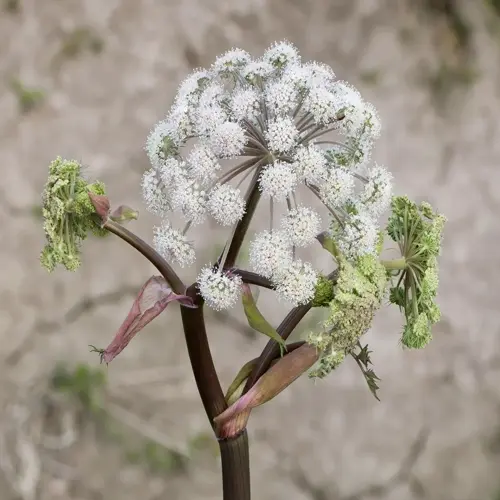

Picture a summer salad scattered with whole sky-blue star flowers, each one adding a cool cucumber note to the greens. That plate is safe to eat. Borage flowers are not poisonous, and people use them as edible blooms all the time. So if you are asking whether borage flowers poisonous claims hold up, the short answer is that the petals are fine in normal food amounts.
Are borage flowers edible? Yes. Cooks float them in drinks, freeze them in ice cubes, and toss them over desserts and salads. The flower is the easy, low-worry part of the plant. The whole star bloom drops onto a plate as a finished garnish, and it tastes faintly of fresh cucumber.
The real caution sits with a different part of the plant. The leaves contain pyrrolizidine alkaloids, the same compounds that show up in a few other garden herbs. These alkaloids can stress the liver when you take in a lot of them over time. The flowers carry little to none of this load, so the concern centers on large leaf amounts, not the blossoms you sprinkle on food.
NC State Extension backs this split up. Their plant guide rates the poison severity as low and names the flagged part as the leaves. The same source calls both the flowers and the leaves edible. It also says to use them sparingly, because liver damage can happen with heavy use. That framing matters for borage flower safety. It tells you the flower is the gentle part, and the leaf is the part to ration.
The same NC State guide is blunt about why the alkaloids matter. In quantity, it says, they can harm the liver and lungs. The guide even flags them as potentially cancer-causing. That sounds scary. But read it next to the low severity rating. The risk is tied to dose and to the leaf, not to a flower on a cake. A garnish-sized amount of blossom sits far below the level that worries those experts. This is the heart of why borage flowers poisonous worries get overblown.
Flowers go on as a free garnish. Leaves stay an occasional, small-amount ingredient. The liver worry tracks with leaf quantity, not with the blue blooms.
Here is the part many people miss. Heat and steeping pull more out of the leaf than a fresh sprinkle does. A strong leaf tea sends a bigger dose of those alkaloids through your system than a few raw leaves in a salad ever would. That is why a daily mug of concentrated borage leaf tea is the habit to drop. A single flower in your lemonade stays a non-issue.
Where does this leave you in the kitchen? Enjoy the flowers in modest culinary amounts and treat them as the playful part of the plant. The whole blue star drops onto food as a finished touch, and it brings that cool cucumber taste with it. Keep leaf intake small and occasional rather than a daily staple. Skip the heavy leaf brews and reach for the blossoms instead when you want the flavor.
A couple of handling notes round out the picture. The hairs on borage stems and leaves can irritate skin during harvest, so handle the plant with a little care. The bristly texture is one more reason the smooth flowers are the easy part to eat. None of this changes the core answer. In normal food use, the blue blooms are safe and the leaf is the part to keep in check.
One more layer to know. If you are eyeing borage for a health reason, not just for flavor, that changes the math. Borage seed oil and strong leaf brews push you past garnish territory. They move you into medicinal doses. At that level, the pyrrolizidine alkaloids matter far more. Talk to a clinician before you go that route. Look for seed oil that is certified PA-free. For the kitchen, though, the blue flowers stay an easy yes.
Read the full article: Borage Plant: Grow, Eat & Use It Safely