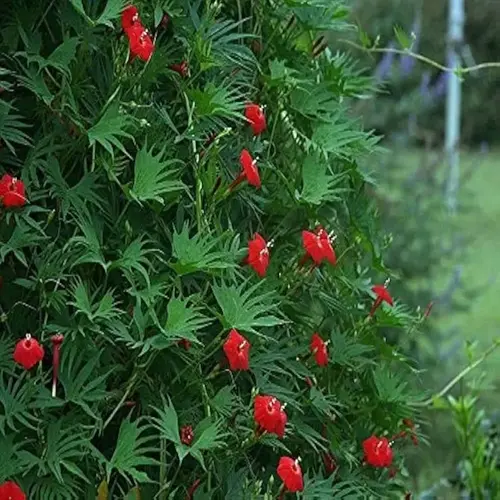

Three thin green shoots pushed up through my back lawn one spring. They sat about four feet out from the Tangerine Beauty crossvine on the fence at the woods edge here in the Georgia Piedmont. I tugged one and the whole runner slid out of the soil with a soft pop. The question of whether crossvine roots invasive habits will wreck your yard comes up a lot. The short answer is no. The roots wander and send up suckers, but they stay shallow and pull out by hand.
The thing most people worry about is foundation damage, and that fear is misplaced here. Crossvine spreads underground through crossvine root suckers, not through deep woody roots that pry into concrete. The runners ride a few inches below the surface. They pop up new shoots as they travel. That habit is why you see fresh sprouts in your lawn. It is also why you can stop them with one hand and a free afternoon.
Here is what the roots will not do. They will not crack your slab, lift your patio, or crush a pipe. Crossvine is a native climber that grabs onto walls and trees with sticky tendril tips. It does not pull itself up with destructive roots. The roots stay fibrous and shallow. They hunt for moisture and loose soil, so they rarely dig deep enough to reach a footing or a buried water line near your home.
Crossvine roots spread sideways near the surface and send up suckers a few feet from the main plant. They stay shallow, pull out by hand, and show no record of cracking foundations or pipes.
No record shows crossvine cracking a slab, a pipe, or a drive. So the idea of crossvine roots invasive enough to harm your house just does not hold up. I have grown mine against a wood fence for years and dug around the base more than once. The roots there stay shallow and easy to cut. You will not find them tunneling toward the house. So plant with confidence as far as the roots go, and put your attention where it counts.
Where crossvine does ask for your attention is the suckering itself. Left alone, a happy plant can send up a dozen new shoots in one season across a wide circle. None of them threaten your house. But they will crowd a flower bed or sneak into a gravel path if you ignore them. The fix is timing, not heavy work. Walk the area each spring and pull the new shoots while they are young and soft. They come up clean when you catch them early.
If you want to fence the spread in for good, drop a simple barrier in the ground. A strip of edging or a plastic root barrier sunk 8 to 12 inches deep stops the shallow runners from crossing into a bed or your lawn. Mowing handles the rest. Run your mower over any stray suckers in turf and they give up fast. The plant lives off the main crown near the fence, so the cut-off shoots in the lawn have no real base to fall back on.
For anyone planting crossvine near house walls or a patio, the roots are not your concern. The thick canopy and the climbing tendrils matter far more than anything happening below the ground. The main guide covers wall siting and spacing in full, so check that before you set a plant against brick or siding. On the root question alone, you are safe. Pull your suckers each season, sink a barrier if you like a tidy edge, and the plant stays right where you put it.
Read the full article: Crossvine Plant: Care, Bloom and Wildlife Guide