
"Why does your sorrel have leaves?" my neighbor asked over the garden fence. I looked up from the green clump I was thinning, a little confused. She grew up in Trinidad, and the sorrel she knew was a deep red drink her family made every December. The plant in my hands looked nothing like it. I set down my shears, and we sorted out the whole sorrel vs hibiscus mix-up right there. The short answer is no. They are not the same plant at all.
They share a name and almost nothing else. The garden sorrel in your bed is Rumex acetosa, a leafy herb in the buckwheat family. Her holiday drink comes from a hibiscus. So you are really looking at two different plants under one confusing word.
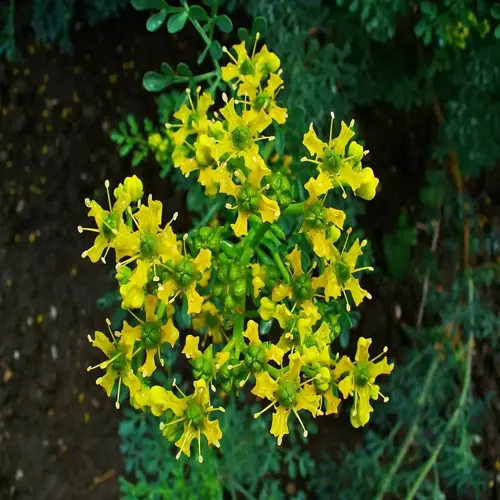
Garden sorrel grows as a low clump of arrow-shaped leaves with a sharp, lemony bite. You eat the leaves. You chop them into your soups, fold them into sauces, and toss the young ones raw into your salads. The plant comes back year after year and barely needs you. You get a true perennial herb here, not a flower you brew.
What my neighbor calls caribbean sorrel is a whole other thing. You do not eat its leaves. The red part of the drink comes from the calyces, the fleshy cups that hold the flower after the petals drop. People dry those cups, then steep them in hot water with ginger and spice. The result is a tart crimson punch poured at Christmas across the islands.
- Botanical name is Rumex acetosa, in the buckwheat family.
- You harvest the sour, arrow-shaped leaves.
- Used fresh in soups, sauces, and salads.
- A hardy perennial herb that returns each spring.
- Made from Hibiscus sabdariffa, a hibiscus species.
- You harvest the red calyces, not the leaves.
- Dried and brewed into a tart holiday drink.
- A tender annual grown in warm seasons.
So how did one word land on both? Old trade routes and shared sourness, mostly. Both plants taste tart, and English speakers slapped the same handy label on each. The botany never matched, but the name stuck and traveled. That is why you can hear a gardener in England and a cook in Jamaica both say "sorrel" and mean plants that have never met. Knowing that gap protects your shopping list.
Here is the part that clears up most of the confusion. The festive red drink comes from hibiscus roselle. That name points to the calyx of Hibiscus sabdariffa. The leafy cooking herb is Rumex instead. If a recipe asks you to brew a deep red tea, it wants the hibiscus. If it asks you to chop tangy leaves into a soup, it wants the Rumex. Read the steps and the plant gives itself away.
Growing them is just as different. You start hibiscus roselle from seed each spring as a tender annual, and it needs a long warm season to set its red cups. Garden sorrel, on the other hand, sits in the ground for years. You plant it once and harvest leaves from the same clump every spring. One is a sprint. The other is a slow, reliable friend in the bed.
Before you buy a plant or order seeds, decide what you actually want on the plate. Do you crave a sour green herb for cooking? Look for Rumex sorrel, sold as garden or common sorrel. Do you want that ruby holiday punch? Then you need roselle. Most seed packs label it as hibiscus roselle or Jamaican sorrel. So read past the word "sorrel" and check the Latin name on the packet. That one habit saves you a wasted growing season and a very disappointed pot of tea. Settle the sorrel vs hibiscus question before you dig, and you plant the right thing the first time.
Read the full article: Sorrel Plant: Grow, Eat, and Stay Safe