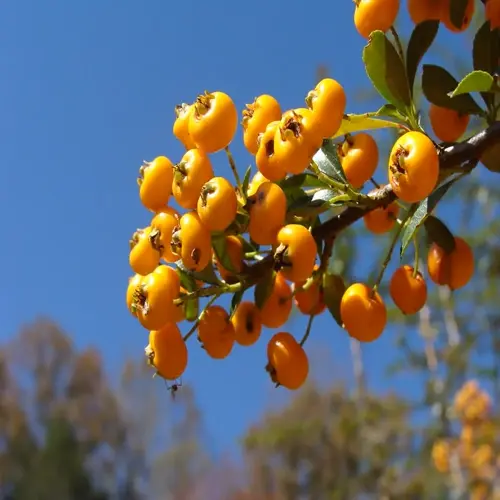

A curious dog will sniff and mouth the low, berry-dotted branches of a groundcover juniper the moment they come within reach of its nose. So is juniper toxic to dogs in any serious way? Not in the deadly sense. These shrubs rank as low toxicity, so one quick nibble rarely turns into an emergency. Junipers are still not a snack, though. A dog that swallows a real mouthful of foliage or cones can feel sick for a while afterward.
The trouble with juniper berries dogs like to mouth is mostly about the stomach, not poison in the scary sense. The blue, berry-like cones and the needle foliage both hold volatile oils. Those oils taste sharp and irritate the gut lining when a dog chews and swallows them. Most dogs spit out the bitter bite long before it ever becomes a real problem. Bitterness is the plant's first line of defense, and it works on most pets.
When a dog does eat a fair amount, you may see vomiting or diarrhea show up within a few hours. Some dogs drool more than usual or seem a bit off their food for a day. These reactions stay mild in most cases and clear up on their own as the gut settles down. A small taste from one curious lick almost never causes any of this. The size of the meal is what tips a harmless nibble into a sick afternoon.
It helps to know where juniper sits next to plants that truly scare vets. Sago palm, oleander, and azalea are far more dangerous and can harm a dog's organs fast. Juniper does not belong in that group at all. You can treat it as one of the lower-risk dog safe shrubs for a yard. Just keep an eye on any dog that loves to chew green leaves and stems. The difference between juniper and a sago palm is the gap between a sick belly and a true crisis.
The type of juniper in your yard does not change the basic risk much. Creeping kinds, upright kinds, and the soft blue-needled ones all carry the same volatile oils in their foliage and cones. A taller bush simply keeps its berries higher up and out of easy reach. A low groundcover puts every branch right at dog level, which is why those forms draw the most curious nibbles. Where the plant grows matters as much as which kind it is.
Discourage chewing and move your dog away from the shrub. Rinse the mouth with clean water if foliage is stuck to the gums. Watch for vomiting, diarrhea, or low energy over the next day. Call your veterinarian or a pet poison line right away if your dog ate a large amount or seems unwell.
Berry numbers matter more than most people think. A dog that grabs one or two cones off a low branch will likely show no signs at all. A dog that strips and eats a big handful is the one to watch, since the volatile oils add up with each bite. Puppies and small breeds react to smaller amounts than a large adult dog would. Body weight changes how much a dog can eat before its stomach protests.
Keep your yard calm by training a solid leave it cue and praising your dog when it walks past the shrubs without grabbing. Pick a spot for new junipers where your dog does not lounge or dig each day. If your dog keeps going back for the berries, a low border or a quick fence around the bed solves it fast. Most dogs lose interest once the novelty fades and the bitter taste teaches its lesson. With a little care, juniper stays a green, low-risk part of a dog-friendly garden.
Read the full article: Juniper Shrub Guide: Care, Types, Uses