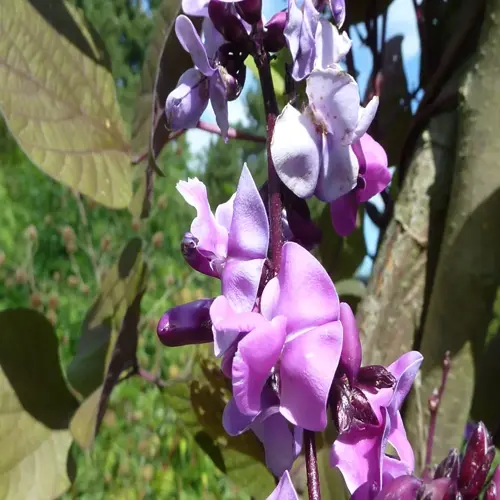

Yes, the moonflower is toxic to pets, but only the seeds are the real worry. Is moonflower toxic to pets in a broad sense? Not really, since the seeds are the one part that counts. Picture a curious dog nosing through the fallen seed pods under the vine on a warm fall morning. That is the moment to watch for, because the leaves and big white flowers are not the part to keep out of reach. The seeds are.
Is the moonflower poisonous to dogs? In a meaningful way, only if a dog chews and swallows the seeds. NC State Extension gives Ipomoea alba a low poison rating. That puts it near the bottom of the scale. A dog that brushes the vine or licks a petal is not in danger. A dog that cracks open a seed pod and eats the seeds inside might be.
The reason comes down to the chemistry inside the seed. Moonflower seeds hold indole alkaloids, and those are the toxic principle that can affect dogs, cats, and horses alike. These compounds are concentrated in the seed and barely present in the rest of the plant. That is why moonflower seeds are toxic but the rest is not. The green growth, the stems, and the night-blooming flowers stay off the worry list. Only the seeds stay on it.
What happens if a pet does eat some? The main symptom from swallowing seeds is vomiting. A pet might also seem off, drool more than usual, or have an upset stomach for a while. Because the rating is low, a pet usually needs to eat a large amount of seeds before you see anything stronger. A single seed grabbed off the ground is far less of a concern than a mouthful chewed out of a ripe pod.
Knowing the moonflower seeds toxic rating is low, you still get a simple way to keep your animals safe. The plant part you control is the seed pod, and you can remove it before it ever drops. Deadheading the spent flowers stops most pods from forming in the first place. A clean vine means nothing toxic for a pet to find on the ground below.
Only moonflower seeds are toxic to pets. Remove spent flowers and seed pods before they drop, and call your vet right away if a dog, cat, or horse eats the seeds.
Walk your vine every few days once it starts blooming and pinch off the flowers as they fade. Pods form where the old blooms were, so clearing those heads early means fewer seeds end up on the soil. If pods do swell up, snip them while they are still green and toss them where pets cannot dig. A short check each evening keeps the ground clean under the vine.
Watch your pets when they have free run near the plant, the same way you would with any garden bed. Dogs that like to forage and puppies that mouth everything need the closest eye. If you grow moonflower in a pot, set it where a cat cannot bat fallen pods around the patio. A little supervision goes a long way with a plant this low in risk.
If your pet does eat seeds, do not wait it out alone. Call your vet or a pet poison line right away and tell them roughly how many seeds went down and what animal it was. They can tell you whether to watch at home or come in. Keep the plant name handy, Ipomoea alba, so the vet knows exactly what you are dealing with. Fast, clear info helps them help your pet.
Read the full article: Moonflower Vine Growing and Care Guide