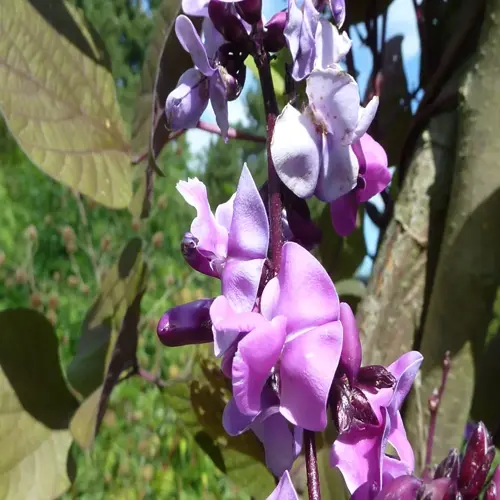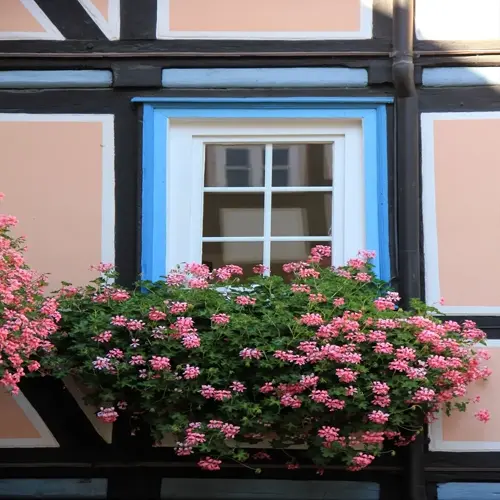

A single wide terracotta pot sat by the steps of my back porch in my zone 6 garden. One moonflower twined up a slim metal obelisk. At dusk the white blooms opened and their lemon-sweet scent filled the whole sitting corner. Yes, you can grow moonflowers in pots with ease. You just need a big enough container and a tall support for the vine to climb.
That porch vine matched any moonflower I have grown in open ground. The trick was the pot size, not the soil bed. Growing moonflower in containers works well. The plant cares more about root room and a sturdy thing to climb than about a garden spot. So if your only sunny space is a patio, moonflowers in pots still give you those big evening blooms.
The roots are the part that limits your potted moonflower. This vine grows fast and tall. The roots need space and steady moisture to feed all that top growth. A pot holds far less soil than a garden bed. That small amount of soil has to support a plant that can reach 10 feet (3 meters) or more in one season.
Get the moonflower container size right and most other problems fade away. Use a deep pot that is at least 16 inches (40 centimeters) wide with good drainage holes. That much soil feels generous to the roots, and it hangs onto water through hot afternoons. Go bigger if you can, since a half-barrel suits one vine well. Anything smaller dries out by noon and your vine sulks.
Set the support in place the day you plant, not weeks later. A tall trellis or a slim obelisk gives the fast-climbing vine something to grab from the start. Push it deep into the pot so a summer storm cannot tip the whole top-heavy plant over. Trying to add a trellis to an established vine tears roots and snaps stems.
Choose a deep pot at least 16 inches (40 centimeters) wide with drainage holes so the vigorous roots have room and water never sits.
Set a trellis or obelisk into the pot at planting time so the fast-climbing vine has something to twine up from day one.
Fill with well-draining potting mix and place the pot where it gets full sun for at least 6 hours a day.
Water daily in summer heat since pots dry quickly, and feed with a high-phosphorus fertilizer to keep the confined plant flowering.
Water is where most potted moonflowers fail. Plan to water daily through the heat of summer because a container dries out far faster than a garden bed. On a string of 90°F (32°C) days I sometimes watered mine twice. Stick a finger an inch into the soil. If it feels dry, give the pot a good soak until water runs from the drainage holes. A thirsty vine drops its buds before they ever open, so do not let yours hit that point.
Fill your pot with a well-draining potting mix rather than heavy garden dirt that packs down and chokes the roots. Place the container in full sun, meaning at least 6 hours of direct light each day. Shade gives you a tangle of leaves and few flowers. A south-facing patio or a sunny balcony rail both work well. If you only have part shade, move the pot around on a wheeled saucer to chase the light.
Feed a potted moonflower more than a garden one. The small soil volume runs out of nutrients fast. Use a high-phosphorus fertilizer every two weeks once the vine starts climbing. Phosphorus is the part that pushes flowers instead of leaves. Give your plant steady water, full sun, and that regular feeding. It will reward you with scented blooms every single evening.
Read the full article: Moonflower Vine Growing and Care Guide