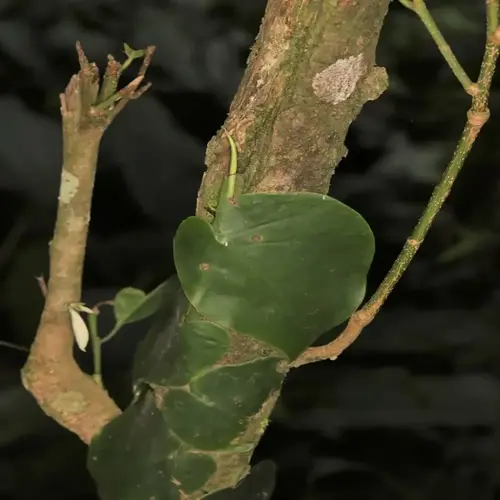
Yes, you can keep pothos in water permanently, and the plant will stay alive and trailing for years. You will notice the change if you watch one vase over a few months. It keeps growing, but the vines come slower and the new leaves stay smaller than the ones on a potted plant next to it.
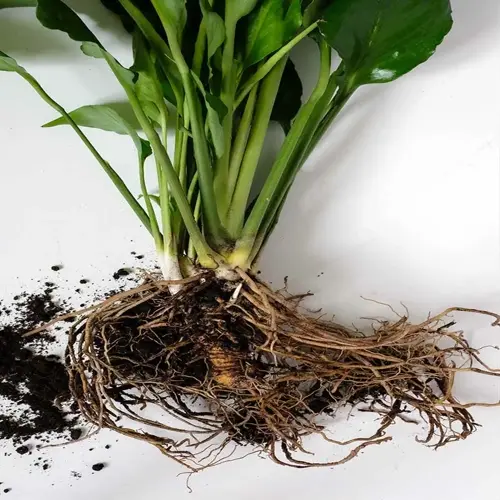
That slowdown is not a sign of a sick plant. It comes down to water roots vs soil roots, which are not the same thing. A pothos that starts life in water grows roots built for a submerged home. They are thinner, paler, and more fragile than the thick roots a soil plant pushes out into dirt.
Soil roots are made to grip particles and pull in nutrients from the ground around them. They grow thick and branch out to hunt for food and grip a moist clump of dirt. Water roots skip that whole job. They adapt to pulling oxygen and food straight from the liquid they sit in, so they stay slim and smooth. The catch is simple. Plain tap water holds almost no nutrition, so the plant runs lean and growth slows without a little help from you. A potted pothos pulls from a buffet of minerals in the soil, while a water plant only gets what you put in the jar.
This also explains why a water plant struggles if you later move it to a pot. Those slim water roots cannot grip soil well, and many of them die back while the plant grows new soil roots to replace them. The plant survives the switch, but it sulks for a few weeks. If you love the look of a vine in glass, there is no rule that says you ever have to pot it. Plenty of people keep one going in water for years with no problem at all.
Light still drives the whole thing. Set your jar near a window with bright indirect light, not direct sun that cooks the glass and heats the water. A pothos in a dim corner barely moves, water or soil. The brighter the spot, the more new growth you get, even on a plant living with no dirt at all.
The water itself needs the most attention. Roots breathe oxygen, and that oxygen drops fast as water goes stale. Old, cloudy water starves the roots and invites rot, the same way it does for a fresh cutting left too long in a glass. Refresh the water every 5 to 10 days to keep it clear and full of oxygen.
Every few water changes, add a drop or two of dilute houseplant nutrient. A pinch of food turns a plant that just survives into one that keeps pushing new vines.
Feeding is what separates a plant that limps along from one that looks full. Drop in a weak houseplant fertilizer every few water swaps, mixed far thinner than the bottle says for soil. Too much will burn those delicate roots and brown the leaf tips, so go light and watch how the plant responds over the next week.
Use a vessel you can see through so you can spot trouble early. Clear glass lets you catch cloudy water, slime on the roots, or a mushy stem before any of it spreads. A wide mouth also lets more air reach the surface, which keeps the water oxygenated between changes.
Growing pothos in water works best when you treat it as its own setup, not a soil plant missing its pot. Pick a bright spot, swap the water on a schedule, feed it lightly, and a single cutting can trail for years in nothing but a jar. New roots take a couple of weeks to form on a fresh cutting, but once they do, your permanent water pothos is set.
Read the full article: Pothos Propagation: A Complete Guide