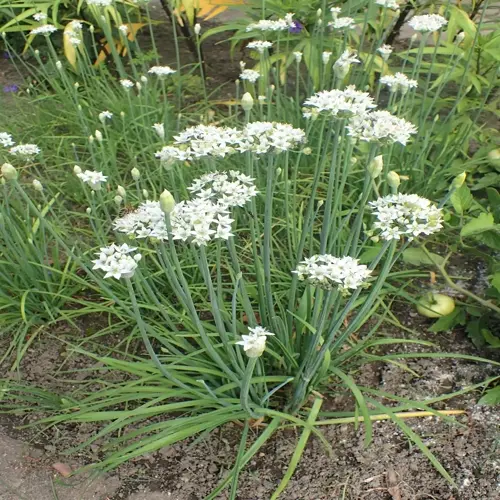

A bucket of damp used coffee grounds went onto the compost heap by my back raised bed one morning. Months later that pile had turned into dark, crumbly compost, and the Slow Bolt row I planted went in right on top of it. The cilantro came up thick and green. The grounds did their work, but only after they broke down first, which tells you most of what you need to know.
Here is the honest answer for your garden. There is no strong evidence that coffee grounds cilantro beds beat plain ones. Used grounds can help your soil, but the boost comes from the compost they become, not from the grounds you sprinkle straight on. Treat them as one more thing for your coffee grounds garden pile, not a special cilantro food. Anyone who tells you they are a secret weapon is overselling it.
Composted grounds add organic matter and improve soil structure, which matters a lot for this herb. Raw grounds are a different story. Pile them thick on the surface and they mat into a crust that sheds water and starves your roots of air. You can watch a half-inch layer of fresh grounds go slick and hard after a single rain. That hurts your plants more than it helps.
Here is what your cilantro actually wants. It likes light, well-drained soil that is rich in organic matter. The target cilantro soil pH sits near 6.5, and the plant does fine across a range of about 6.2 to 6.8. Good compost nudges most beds toward that sweet spot on its own, which is the real reason a well-composted coffee grounds cilantro bed grows better.
Compost your coffee grounds first, then work that finished compost into your bed. Raw grounds piled on top do not feed cilantro and can mat into a water-shedding crust.
So toss your grounds in the compost bin with leaves, kitchen scraps, and other browns and greens. Grounds count as a green, so balance them with plenty of dry browns like shredded leaves or cardboard. Let the whole mix break down over a few months until it smells like earth, not coffee. That finished compost is what you dig into your bed before sowing, not a fresh scoop from this morning's pot.
Drainage deserves your attention too. Cilantro hates wet feet, and a bed that holds water will rot your roots no matter how good the soil looks. Mix in compost to open up heavy clay, and raise your bed a few inches if the ground stays soggy after rain. Loose, fluffy soil lets the long taproot run deep so your plant settles in fast. A heavy, packed bed fights that root the whole way down.
The real lever for a steady harvest is succession sowing. Cilantro bolts fast in heat, so sow a short row every two to three weeks from early spring into fall. Skip the long midsummer gap when it bolts almost overnight in warm weather. A fresh row every couple of weeks keeps tender leaves on your counter long after your first planting has shot up and gone to seed.
Direct sowing beats transplanting here. That taproot does not like being moved, so drop your seeds where they will grow and keep the surface damp until they sprout in a week or two. Thin your seedlings to a few inches apart so each plant gets light and air. Crowded rows stay weak and bolt sooner, which is the opposite of what you want from a cut-and-come-again herb.
Build your bed on organic matter cilantro roots can dig into, keep the drainage sharp, and sow in small repeated batches. Coffee grounds fit into that plan as compost feedstock, nothing more. Do the soil work right and you get a steady cilantro supply without leaning on any single garden myth.
Read the full article: Cilantro Plant: Complete Growing Guide