
"You cut that thing back and you'll kill it," my neighbor said, leaning over the fence one Georgia Piedmont spring. My back-fence Tangerine Beauty had jumped its bounds again. I trimmed it anyway, right after the flowers faded. By midsummer it came back thicker and greener than before, and it bloomed fine the next spring.
So yes, you should cut back crossvine. The smart move is to do it right after the main spring bloom, not in winter and not in fall. Cutting an established vine will not kill it. The plant is tough, and a good trim keeps it on its fence or arbor instead of swallowing the whole yard.
The question of when to prune crossvine trips up a lot of gardeners, and for good reason. Sources do not fully agree on whether the vine blooms on old wood or new wood. That disagreement matters, because if you cut at the wrong time you can shave off the very stems that were going to flower.
Here is the safe way around that puzzle. Cut back right after the spring flush ends. At that point the current show is over and the plant has months to push fresh growth before the next bloom cycle. You sidestep the whole old-wood versus new-wood debate, since you are not removing wood that is loaded with buds. This one timing rule protects next year's flowers no matter which way your particular plant leans.
Cut back right after the main spring flush so you do not remove the wood that carries the flowers.
Use clean bypass pruners to take out dead, weak and tangled stems first to open up the vine.
Cut back overlong shoots to shape the plant and keep it on its fence, arbor or trellis.
Remove root suckers around the base so the vine does not creep out into the landscape.
Start with clean bypass pruners, since clean cuts heal faster and spread less disease. Take out the dead, weak and tangled stems first. This opens the vine and lets you see its true shape before you make another cut. Only then do you shape and thin the rest, trimming overlong shoots back to keep the plant tidy on its support.
Crossvine also spreads by root suckers that pop up around the base and creep into the lawn. Pull or cut these as you go so the vine stays where you want it. A few minutes spent on suckers each season saves you from chasing the plant across a bed later. They come out easiest when the soil is moist after rain, so deal with them once the ground has soaked. Left alone, a single sucker can root a few feet away and start a whole new section of vine.
Timing has a back end too. Stop cutting about two months before your first frost. Late-season pruning pushes soft new growth that has no time to harden off, and that tender wood gets nipped when cold weather hits. Wrap up your shaping in late summer so the vine firms up before winter.
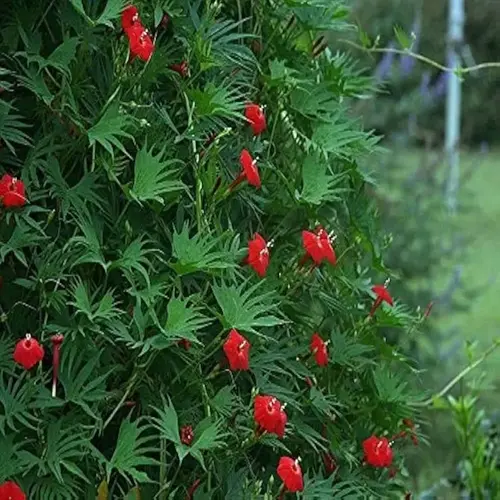
Got a vine that has gone wild and buried the fence? You can cut it back hard, almost to the framework, as long as you do it right after flowering. Crossvine takes a heavy trim and resprouts with energy, much like my back-fence plant did. The same rules carry the day for routine pruning crossvine or a full reset: clean tools, dead wood first, then shape, and time it to the bloom. Do that, and you keep a strong vine and a wall of orange-red trumpets every spring.
Read the full article: Crossvine Plant: Care, Bloom and Wildlife Guide