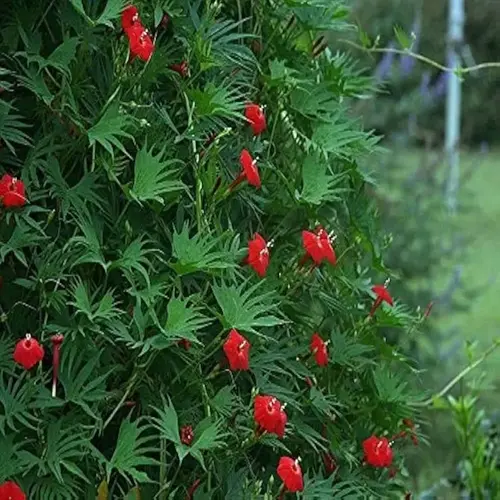

One warm Georgia Piedmont spring morning, I leaned into the open trumpets on my back-fence Tangerine Beauty. I noticed a faint sweet-coffee scent over the blooms. It was there, but I had to put my nose right in the flower to find it. That morning sums up crossvine fragrance well. The wild species does smell good. Yet the scent runs light, and it does not show up in every plant the same way.
So does crossvine smell at all? Yes, the wild form has a real scent that many people pick up on a warm day. The trumpet-shaped flowers give off a soft, sweet smell when the sun warms them in spring. You may need to get close to notice it, since this is not a vine that perfumes a whole yard.
People describe the smell in tasty terms. The wild species reads as spicy and sweet, and gardeners often compare it to mocha or to Bit-O-Honey candy. LSU has described the bloom scent as Bit-O-Honey candy, which fits that warm, coffee-and-caramel note. Once you catch it, the comparison makes sense. The smell is strongest in the first week or two of bloom, when the most flowers are fresh and open at once.
Crossvine fragrance also shifts with the weather and the time of day. On a cool, gray morning the flowers can read as almost scentless. Wait for a warm, sunny stretch and the same vine gives up that sweet note much faster. Sun on the petals seems to release the smell, so the scent peaks in late morning once the dew burns off and the air warms up around the blooms.
Here is where it gets tricky. Many of the plants sold at garden centers are named cultivars, bred for bigger or brighter flowers rather than for smell. Some of these cultivars have a much weaker scent, and a few barely smell at all. The wild species and a fancy cultivar can sit side by side and give you very different results when you lean in.
The wild crossvine species smells sweet and spicy, often likened to mocha or Bit-O-Honey candy. Named cultivars are bred for looks, so their scent is reduced or sometimes absent.
Tangerine Beauty is a good example of this gap. It is a popular pick for its bold orange-red flowers, and it does carry a soft scent on warm mornings like the one I described. But the smell stays faint, and on a cool or cloudy day you might not catch anything at all. Heat and sun seem to pull the fragrance out more than anything else. So a plant tag that promises a fragrant vine can still let you down if the cultivar was bred mostly for color.
If smell is the reason you want this vine, shop with your nose. Visit the nursery in spring when the plants are in bloom and lean into a few open flowers before you buy. Check several plants, since one may smell sweet while the next gives you almost nothing. A warm late morning is your best shot at catching the scent.
You can also skip the guesswork by choosing the straight wild species over a scent-reduced cultivar. The plain native form is your safest bet for a real, sweet bloom smell. You give up some of the flashy flower color, but you gain that mocha note that draws people to crossvine in the first place. For most gardeners who care about crossvine scent, that trade is worth making, and you still get a tough, easy vine that climbs hard and feeds early bees.
Read the full article: Crossvine Plant: Care, Bloom and Wildlife Guide