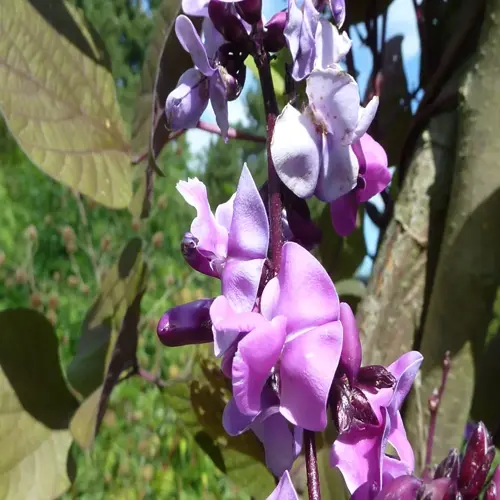

Yes, moonflower vine spreads in two ways. It climbs fast up any support you give it, and it drops seed that sprouts the next season. The moonflower spread you worry about happens through that seed, and mostly in warm, frost-free climates. In cold zones, the plant dies off each winter and stays right where you put it, so you get the climbing without the takeover.
Look near last year's vine in spring and you will often spot a cluster of new seedlings on the ground below. The ripe pods split open in fall and scatter their seed close to the parent plant. That is how this vine travels from one spot to the next. It does not creep sideways through your soil with hidden roots, so you can rule out runners as the cause. The seedlings give the whole thing away. They show up under where the vine hung, not out at the far edge of your bed.
The vine itself is a true twining climber. It wraps its own stems around fences, trellises, mailbox posts, and any nearby plant it can grab. In one season it can reach 10 to 15 feet of length, sometimes more in a long, hot summer. That growth is fast, but it stays tidy. The vine only goes up and along your support. It will not march across your beds or send shoots into the lawn, so the plant you set out this year is the same plant you will have in fall.
The real travel comes from moonflower self-seeding. Each spent flower forms a round pod packed with hard, dark seeds. Those seeds wear a tough, thick coat, which is why you soak or nick them before planting. That same coat lets them survive in the soil for years. They sit and wait for warm weather, then sprout in fresh spots once the ground heats up. This seed-based spread, not underground runners, is what makes the plant pop up where you never planted it. A single vine can leave behind dozens of pods if you let the season run its full course.
Your climate decides how much any of this matters to you. Where winters turn cold, frost kills the vine and most of the seed sitting on the surface. The plant then behaves as a well-behaved annual you replant by choice. In warm regions the story changes. Across the deep south and in tropical spots, the seed never gets a hard freeze. There it can self-seed freely and come back thicker every year on its own, with no help from you at all.
So is moonflower invasive? In the right climate, it can be, and that is worth knowing before you plant a big stand of it. The vine is flagged as invasive in Hawaii and other frost-free areas. There the seed sprouts almost year-round, and the dense growth can smother native plants and shade them out. If you garden somewhere warm like that, treat the plant with respect and give it a defined spot. If your winters drop below freezing, you face far less risk, because the cold resets the whole patch for you each year.
In warm climates, snip off spent flowers and pull the seed pods before they dry and split. This one simple habit stops most unwanted moonflower spread for the next year.
If you live where frost hits, you can relax about all of this. The cold does the cleanup work for you, and the vine will not naturalize out of bounds or jump into your neighbor's yard. To keep a few plants going on purpose, save a handful of seeds in fall before the pods scatter, store them dry, and start them again the next spring. You get the full show every year and stay in complete control of where it grows.
If you garden in a warm, frost-free zone, stay on top of those pods all season. Deadhead the spent blooms through the flowering months and clear any pods you missed before they pop open. Grow your vine on a contained trellis or arch, well away from wild edges, ditches, and natural areas. Handle it that way and you still get the huge, fragrant night-blooming flowers you wanted, without watching the plant take over the rest of your yard.
Read the full article: Moonflower Vine Growing and Care Guide