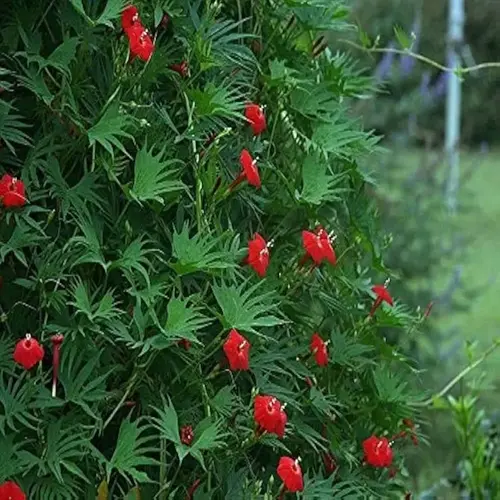

Crossvine is vigorous, not invasive: pull root suckers each season and prune after spring bloom and it stays well-behaved on a fence or arbor.
Here is how crossvine aggressive growth works. The vine is vigorous yet easy to tame, so you can grow it without letting it run your yard. One plant can fill a whole fence in just a few seasons, and you will see new shoots push up in the soil nearby. A crossvine aggressive enough to cover an arbor that fast still stays far tamer than its cousin trumpet creeper. You keep control of it with a little routine care each year, and it never gets ahead of you.
The plant spreads two ways, and both are easy for you to slow down. It drops seeds from long pods every year, and it sends out crossvine root suckers that pop up a few feet from the main stem. Those suckers are the part you will notice first. Pull a few each spring and your plant stays right where you want it. Skip that step for a couple of years and the patch starts to widen on its own.
NC State flags crossvine as weedy and aggressive in its plant database, and that label scares some people off. The USDA Forest Service calls it easier to manage than trumpet creeper, which is the vine most folks mix it up with. Trumpet creeper suckers harder and clings tighter to walls than crossvine does. Your crossvine pulls back when you ask it to, so you are not fighting the same beast at all.
Size is part of why crossvine feels so strong to you. It climbs 30 to 50 feet (9 to 15 m) when it has tall support to grab. It spreads 6 to 9 feet (1.8 to 2.7 m) wide across a fence or wall. That reach lets one plant cover a long run of fence or a big trellis fast. On a short fence the vine still wants to climb, so you trim the top to hold it in bounds. Give it room and it pays you back with bright spring blooms.
Crossvine earns its place in your garden because it is a native plant across much of the southern United States. Plant experts name it as a swap for oriental bittersweet, an invasive vine that strangles trees and shrubs. You get the same fast cover and the same wall of color, but without the harm to local woods. Hummingbirds and bees work the orange and red flowers, so your vine feeds them all through spring.
The vine holds its leaves through mild winters, which gives you year-round screening on a fence or pergola. New growth comes on strong once the weather warms, so you watch the tips and guide them onto your support. A few minutes of training each month keeps the stems flat against the structure for you. Leave it alone and it still grows fine, just messier and harder to thin out later on. A light hand now saves you a big job down the road.
Managing crossvine spread comes down to three simple habits you repeat each year. Pull the root suckers as soon as you spot them in spring, while they are small and easy to tug free. Prune the vine right after the spring bloom fades, since it flowers on old wood and early cuts cost you next year's color. Then snip off the seed pods before they split open, which stops most of the self-seeding before it ever starts. Do these three things and your crossvine stays a feature you enjoy, not a chore you dread.
Read the full article: Crossvine Plant: Care, Bloom and Wildlife Guide