
The first stone I set on my south-facing slope kept tilting. It rocked under my boot every time I stepped near it, and a hard shove sent one edge lurching into the dirt. I pulled it out, dug a deeper pocket, and dropped it back so a good third of its bulk sat below the surface. It went silent. Solid. Not a wobble left.
To build a rock garden you follow four steps in order. Pick the site, set the large rocks, fill the gaps with gritty soil, then plant slow and last. Get the rock placement right and the rest falls into line fast.
Start with your site. A natural slope or a terrace is the best spot. The grade drains water away. It also shows your plants off at eye level. Skip any low, soggy pocket where rain pools and sits. Most rock garden plants come from mountains and rocky ground, so they rot in wet feet. A gentle, sunny slope gives them the sharp drainage they need.
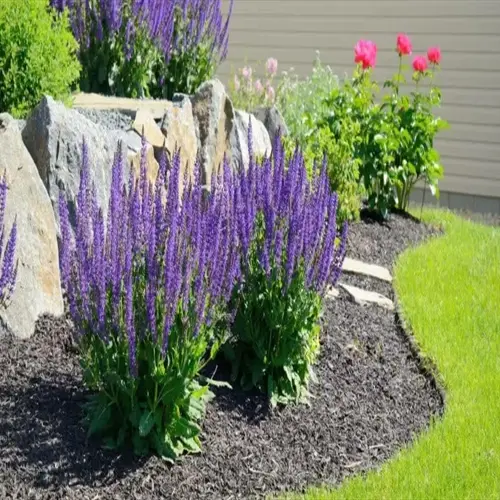
Now your rocks, which do the heavy lifting both ways. Use several large ones. Some should weigh 200 pounds (90 kg) or more, per guidance from Colorado State University Extension. That heft makes your garden read as natural and not as a pile of pebbles. Set each rock so at least one-third sits buried in the ground. That is the part most people skip, and it is why my first stone rocked. Buried deep, a rock locks in place, sheds water back into the soil, and keeps your roots cool through summer heat.
Use one geological type of rock for your whole garden. Mix granite with limestone with sandstone, and your eye reads it as a junk heap, not an outcrop. A single type looks like real stone pushing up from below. Tilt your rocks back into the slope at a slight, matching angle, the way layered rock sits in nature, instead of standing them up at random.
Choose a sunny natural slope or terrace with good drainage and avoid low, soggy ground where water collects.
Place several large rocks of one rock type, burying at least one-third of each so they sit stable and natural.
Fill the pockets between rocks with a sharply drained, gritty soil mix firmed gently around the roots.
Set low, slow-spreading plants without overcrowding, then top the surface with gravel to keep crowns dry.
Fill the pockets between your stones with a gritty, sharply drained mix. A blend that runs heavy on coarse sand and fine gravel with a little compost works well. You want soil that water passes through in seconds, not the rich black stuff you would use for tomatoes. Firm it gently around each rock so no air gaps hide under the stone.
Plant slow, and plant light. Set low, mat-forming alpines and creeping ground covers into the pockets, but leave real room between them. New beds look bare for a season, and the urge to crowd is strong. Fight it. These plants spread, and a packed bed turns into a tangle that traps damp air and kills the look. A few well-spaced plants beat a wall of green.
Finish your surface with a gravel mulch of the same rock type, spread a thumb-width deep across the open soil. It keeps the crowns of your plants dry, blocks weeds, stops mud from splashing up in the rain, and ties your bed together so it reads as one piece. For a modern twist, look at crevice gardens. That variation sets flat slabs on end with thin soil seams between them, and you tuck in plants that love tight, vertical cracks.
Read the full article: Best Rock Garden Plants for Any Yard