Both methods work, so water vs soil propagation comes down to the kind of grower you are. Water shows you every root as it forms, and soil skips the move to a new home later on. Neither one is wrong for a healthy pothos cutting, and you do not have to commit to one for life. Most people drift toward one method once they see how each fits their setup and their patience.
Last spring I cut six nodes off my golden pothos and split the batch in two on the north-facing kitchen windowsill. Three stems went into a jam jar of water, and three went straight into a small pot of mix. I checked both every few days, and both pushed roots in about a month. But when I moved the water jar stems into soil, I noticed they drooped and sulked for a full week before they perked back up. The pot half never flinched, because they were already sitting in their forever medium.
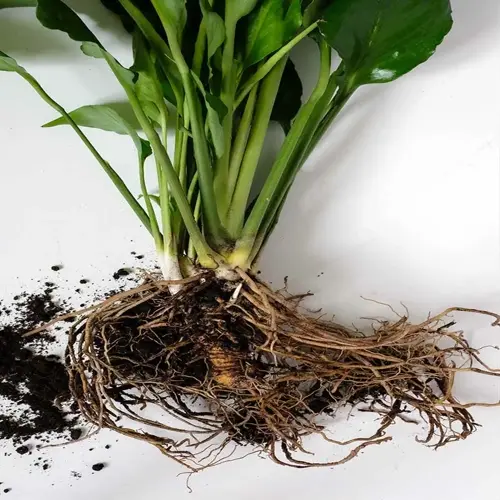
That sulk is not random, and it is not bad luck. It comes from how the two root types are built. When you propagate pothos in soil, the new roots grow thick and branched so they can pull water from the tiny gaps between soil bits. Water roots grow thin, pale, and smooth, because they float in a steady bath and never have to search for a drink. Both keep the plant alive, but they are shaped for very different jobs.
So a water-rooted cutting hits a small wall at potting time. Those soft roots are built for one setting, and you are asking them to handle another. The plant has to grow a fresh set of soil-ready roots, and that pause is the droop I saw on my windowsill. A cutting rooted straight in a pot never meets that switch, because its roots fit the medium from the very first day. The deeper repotting recovery is its own topic, but at a high level, soil simply skips the handoff.
Speed is close to a tie. Both methods root in about 3 to 4 weeks, and the first white root nubs tend to show near the two-week mark in water. The real gap is what you can see while you wait. A clear glass jar lets you track every new root as it stretches, while soil hides the whole process. With a potted cutting, you only know it took hold once fresh leaves push out from the top. That blind wait throws off some new growers, who assume nothing is happening down below.
- You can watch roots form, which is reassuring for beginners.
- Roots in about 3 to 4 weeks with first roots near 2 weeks.
- Needs a later transfer to soil, which can cause brief shock.
- Roots adapt to soil from the start, avoiding transition shock.
- Roots in about 3 to 4 weeks but progress is hidden until top growth.
- One fewer step, since the cutting is already in its growing medium.
If you are new to this, start with water. Watching the roots appear teaches you what a healthy cutting looks like, and it builds your nerve fast. You learn to spot a node, a fresh white root tip, and the cloudy, slimy look of a stem that is rotting instead of growing. Make sure you swap the water every few days so it stays clear, and keep the jar out of direct sun so the glass does not cook the stems.
Once you trust your eye, root straight in a well draining mix to cut a step. The cutting settles in without the move, and you skip the droop. The whole water roots vs soil roots trade-off is really a choice between watching the work and skipping the handoff. Pick water when you want to learn and to feel sure the cutting is alive. Pick soil when you would rather plant once and let the cutting sort itself out. Either way, a sturdy pothos stem with a healthy node will reward you.
Read the full article: Pothos Propagation: A Complete Guide