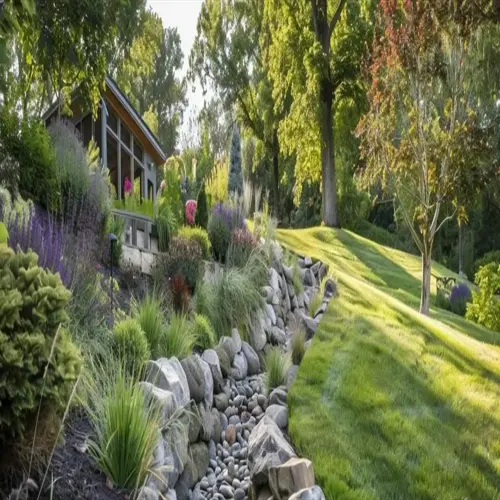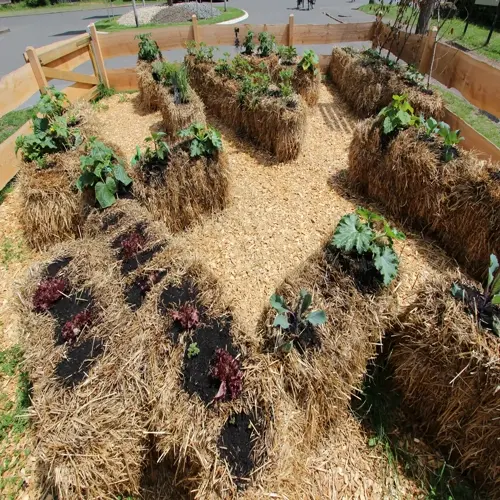

Introduction
Vertical gardening means growing plants upward instead of across the ground. You use trellises, arches, towers, and walls. The idea is simple. You take the same plants you would put in a flat bed and you train them to grow vertically into the air. One stacking tower can hold 50 to 60 plants. That fits in the space of a single chair, says Utah State University Extension.
That number gets at the whole point. Traditional gardening spreads out sideways across the dirt, so you need more land for every plant you add. A vertical garden sends those plants up a support instead, which lets you save space without giving up the harvest. The square footage stays the same, but the growing room multiplies.
Here is where most guides fall short. Search any popular article and you will read the same promises. They talk up space, plant health, and bigger yields. But almost none of them point to a single study or source. This guide is different. Every claim here is backed by real research. It comes from universities, the USDA, and science journals. So you know what holds up and what is just garden lore.
You do not need a big yard or fancy gear to start. You do not need to be an expert either. I planted pole beans up a cheap net on a narrow balcony rail and pulled a steady crop all summer. The best candidates are vining plants like beans, cucumbers, and peas. These crops want to climb anyway. The pages ahead cover which plants work and what to build. You will also learn how to water them and the real environmental payoff backed by the numbers.
What Vertical Gardening Really Does
The benefits of vertical gardening hold up under real data, not just garden-blog praise. Growing up a trellis, arch, or tower turns a few square feet into a working crop. Here is what the numbers actually show.
Think of the air above your bed as extra growing floors. A flat bed is a row of bungalows. A trellis is a tower block on the same lot, and it houses far more plants in the same footprint. That is how you save space without buying more land.
Density is the big win. Utah State University Extension counts 50 to 60 plants per stacking tower. That is far more than the same ground holds flat. Big farms push it further. A USDA scientist, James Altland, says some crops hit 10 to 20 times the yield per acre versus open fields. Your backyard trellis won't match a warehouse, but the same idea drives increased yields at any size.
Lifting plants off the soil also keeps them healthier. Better air circulation dries the leaves faster after rain. Dry leaves give less room to the fungus that breeds powdery mildew on crowded ground-level beds. You get healthier plants that shrug off rot, plus easier wins on pests and watering.
These gains stack into one more payoff at harvest time. Fruit hangs at chest height instead of hiding under leaves. You spot ripe produce in a glance, so you get easier harvesting and miss fewer beans or cucumbers. Less bending saves your back on every pass through the bed.
Vertical gardening is the practice of in-ground gardening that grows plants up a trellis, arch, or vertical support... Vertical gardening is a measure to use space efficiently.
Best Plants To Grow Vertically
By August the cattle-panel arch over the narrow side bed by my patio sagged under pole beans and cucumbers. That cramped strip became a green tunnel you could walk through and pick from both sides. The season before, those same beans sprawled across the dirt and half the pods rotted before I found them. The arch held the same plants off the ground, and the strip that felt useless turned into the most productive spot in the yard.
The right climber plus a real support beats chasing more square footage. The first rule of picking the best plants for vertical garden beds is simple. Start with how much sun the structure actually gets. Most fruiting climbers need 6 to 8 hours of direct sun each day to crop well, so the wall or arch has to sit where the light reaches it.
Utah State University Extension says vining plants are your best bet for going up. With the right setup, you can train almost any plant to climb. The one group to skip is deep-rooted crops like asparagus, which prefer a mounded bed. That still leaves you a huge range of climbing plants to choose from. It helps to sort your options by what you want them to do.
Group your picks into three jobs. Edible climbers like pole beans and cucumbers earn their space with food. Ornamental vines add height and color. Trailing living wall plants turn a bare fence into a green panel. The list below ties each climber to its support need and its disease habits, not just its name.
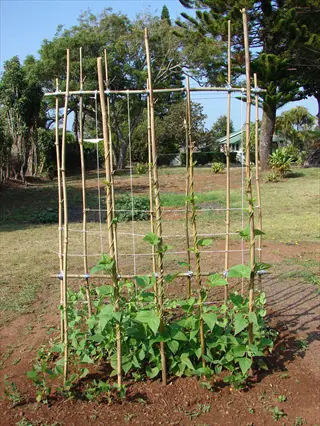
Pole Beans
- Why it climbs: Pole beans twine naturally around strings, netting, and poles, making them one of the easiest first climbers for a new vertical gardener.
- Support: A simple teepee, arch, or netting at least 6 feet (1.8 meters) tall gives the vines room to reach full height.
- Sun: Beans crop best with 6 to 8 hours of direct sun each day, so place the structure where light is not blocked.
- Harvest: Lifting the pods off the ground keeps them clean, straight, and far easier to spot and pick than sprawling bush beans.
- Health: Better airflow around the foliage reduces the leaf diseases that often strike beans grown flat on the soil.
- Good for beginners: Fast germination and steady production make pole beans a confidence-building choice for a first season.
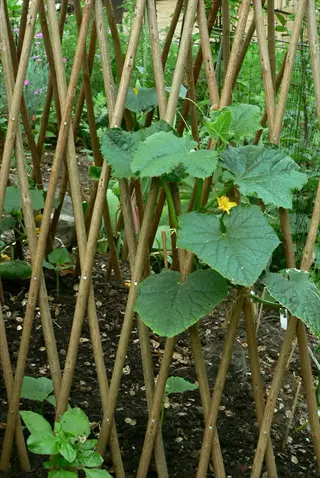
Cucumbers
- Why it climbs: Cucumbers send out tendrils that grab netting and lattice readily, so they train upward with very little tying.
- Support: A panel trellis, A-frame, or arch keeps the heavy vines stable as fruit develops along their length.
- Sun: Plan for 6 to 8 hours of direct sun, since cucumbers need warmth and light to set fruit reliably.
- Harvest: Hanging fruit grows straighter and cleaner, and you can see ripe cucumbers at a glance instead of hunting under leaves.
- Health: Raising the vines improves air circulation, which lowers the risk of powdery mildew that thrives in dense, ground-level growth.
- Watering: Cucumbers are thirsty, so pair the vertical support with steady, even watering to avoid bitter or misshapen fruit.
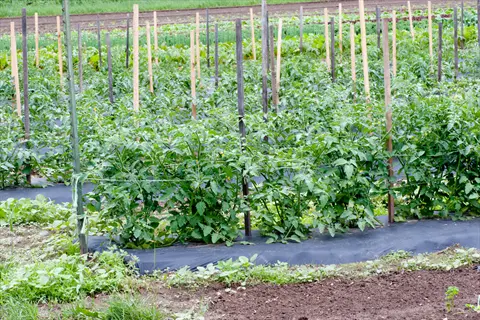
Indeterminate Tomatoes
- Why it climbs: Indeterminate tomatoes keep growing tall all season, so they suit a sturdy stake, string, or cage that supports their height.
- Support: Use a strong upright at least 6 feet (1.8 meters) tall and tie the main stem in as it grows.
- Sun: Tomatoes are sun-lovers that want 6 to 8 hours of direct light to ripen a full crop.
- Harvest: Trained upright, the fruit stays off the soil, ripens evenly, and is simple to reach without crushing the plant.
- Health: Pruning and tying for vertical growth opens up airflow and reduces the soil-splash diseases tomatoes are prone to.
- Cultivars: Vining types such as cherry and slicing indeterminates climb well, while compact bush tomatoes are better left unstaked.
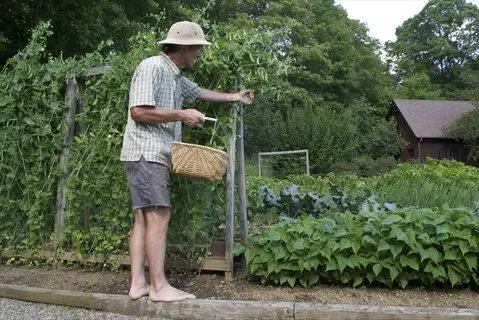
Peas
- Why it climbs: Peas grip with delicate tendrils and scramble up netting or twiggy supports on their own with minimal help.
- Support: Lightweight netting, a short trellis, or a bean teepee suits their slender stems and modest height.
- Sun: Peas tolerate cooler weather but still want around 6 hours of sun for a steady harvest.
- Harvest: Picking is far easier when pods hang at eye and hand level instead of buried in a tangle on the ground.
- Health: Good airflow through the vines helps keep the foliage dry and less prone to mildew in damp spring weather.
- Timing: As a cool-season crop, peas are a strong early choice before the summer climbers take over the same support.
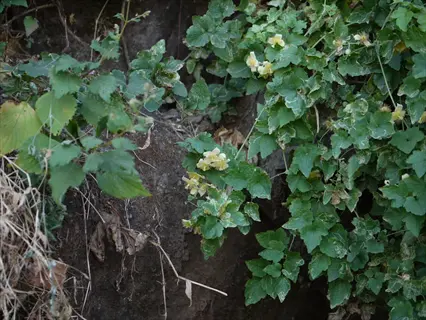
Ornamental And Living-Wall Plants
- Why it climbs: Perennial vines like clematis and climbing roses, plus trailing foliage for living walls, add height and color beyond edibles.
- Support: Climbing roses and clematis want a sturdy arch, obelisk, or wall lattice, while living-wall plants sit in pocketed wall planters.
- Sun: Match the plant to the spot; many flowering vines want full sun, while foliage plants such as ferns suit shadier walls.
- Interest: These plants turn a bare fence or wall into a vertical feature, supporting the aesthetic and biodiversity benefits research notes.
- Health: Choosing disease-resistant and non-invasive varieties keeps an ornamental vertical garden manageable over the years.
- Pollinators: Flowering vines draw bees and other pollinators, adding life and movement to a small vertical space.
Structures, Trellises And Towers
The support you choose decides how well your plants climb and how much you harvest. Good vertical gardening structures carry weight and shrug off wind. The best ones last a full season without leaning into the lettuce.
Pick the structure to fit the plant the way you pick a ladder to fit the job. Light trellis netting handles peas with ease. A heavy arch holds up squash and gourds that would snap a flimsy frame in a week.
Most types of trellises share a few rules. A climbing frame should stand about 6 feet (1.8 meters) tall so vines have room to run. Sink the posts roughly 12 inches (30 centimeters) into the ground so the loaded frame holds steady. Go wider than a basic panel and you get towers and living walls too.
Your budget shapes the build as much as the plant does. A salvaged cattle panel or an old fence section makes a strong support structure for almost nothing. Bought obelisks, a tower garden kit, or a pocketed living wall cost more but save you the labor. Both routes work, so match the spend to your space.
Arch And Tunnel Trellises
- Best for: Heavy, fast climbers such as cucumbers, pole beans, and even small squash that benefit from a tall, walk-through span.
- Build: A cattle-panel arch is a popular, inexpensive design; anchor each end firmly so the loaded arch resists wind and the weight of fruit.
- Benefit: Fruit hangs down inside the tunnel where it stays clean, straight, and simple to harvest at standing height.
Obelisks And Panel Trellises
- Best for: Tomatoes, peas, and flowering vines that need a stable upright at least 6 feet (1.8 meters) tall to climb.
- Build: Set posts or panels into the ground about 12 inches (30 centimeters) deep so they hold steady once fully grown.
- Benefit: A flat panel against a fence or wall turns an unused vertical surface into productive growing space.
Stacking Tower Gardens
- Best for: Compact crops such as strawberries, lettuce, and herbs grown in a small footprint on a patio or balcony.
- Capacity: Stacking tower systems can hold 50 to 60 plants in a single tower, according to Utah State University Extension.
- Benefit: Towers concentrate a lot of growing space into one spot but rely on consistent watering since they drain quickly.
Living Walls And Wall Planters
- Best for: Herbs, trailing foliage, and ornamental plants mounted in pocketed planters against a wall or fence.
- Build: Use wall-mounted pots, pallet planters, or purpose-made pocket systems, making sure the wall can bear the soaked weight.
- Benefit: Beyond looks, green walls support the cooling, air-quality, and biodiversity benefits documented in extension and research sources.
A trellis loaded with fruiting vines acts like a sail. Anchor posts at least 12 inches (30 centimeters) deep and use sturdy materials so the structure does not lean or collapse mid-season.
Whatever you build, plan for the full weight of a soaked, fruit-heavy plant, not the bare frame you set up in spring. A stacking tower holds 50 to 60 plants and gets heavy fast once the soil is wet. Anchor it well, water it often, and the same frame will serve you for years.
Watering And Ongoing Care
The top pots on my stacked herb planter went crisp first. The basil blade tips curled brown. The upper leaves felt like paper during a hot week. The lower pots on that same sunny patio wall stayed green and fine. So I poured water on the very top of the planter. The moisture soaked down through each level, and within two days the whole thing perked back up.
That fix points to the one rule behind how to water a vertical garden. Raised containers and walls drain and dry out faster than a ground bed. And the top of a tower or wall dries first. So you water more often than you would in the dirt. You pour at the top, and gravity carries the water to every pot below.
The good news is that the rest of the care stays light. Maintaining vertical garden beds asks for almost no weeding and no tilling. The plants sit off the ground where weeds rarely reach. You mostly owe it steady watering, a bit of feeding, and a few minutes of training each week as the plants climb.
- Water often: Check moisture daily in hot weather. Raised containers and walls dry faster than ground beds, and the upper levels dry first, so they need the most attention.
- Water from the top: On towers and walls, water at the top so moisture filters down and reaches every level evenly instead of leaving the top dry and the bottom soaked.
- Feed lightly: Use a water-soluble fertilizer through the season, since frequent watering in containers washes nutrients out faster than it does in a garden bed.
- Train as it grows: Guide and gently tie climbers onto their support each week so stems do not snap under their own weight or fruit. This weekly training keeps the plant tidy and safe.
- Skip the weeding: Off the ground, vertical gardens need little to no weeding or tilling, which keeps ongoing maintenance light and fast.
- Inspect supports regularly and re-anchor anything that starts to lean before a loaded vine pulls it over.
If you scale up to a wall of planters or several towers, hand watering gets old fast. A simple drip irrigation line runs along the top and feeds every level on a timer. So you never miss a hot afternoon. Self-watering towers hold a tank of water inside. That tank lasts for days, which makes a tower a smart pick once your garden grows past a pot or two.
Green Walls And The Environment
A backyard trellis is only half the story. A whole wall of plants also changes the air and heat around a building. The research on green walls gives you the strongest reason yet to grow up instead of out.
Think of a living wall as a curtain of plants on a building. It shades the surface and cools it. It also filters the air that drifts past. And these numbers come from peer-reviewed studies, not garden blogs.
A green wall can drop the outdoor temperature by about 3.0°C (5.4°F) at peak heat. The wall surface itself can fall by 10 to 11°C. In good conditions the vertical garden energy savings hit up to 50.6% less cooling and 16.5% less heating. That is a big cut to a power bill.
The vertical garden air quality numbers are just as strong. Pollution settles at street level. Plants on a wall sit right where the dirty air is. At the curb a green wall may cut nitrogen dioxide by up to 40% and PM10 by up to 60%. Most years the cut lands in the 7% to 30% range, so treat it as a range, not a promise for your street.
The model results suggest that plants growing vertically on building walls could remove nearly 10 times as much NO and nearly 12 times as much PM from street-canyon air as horizontally grown rooftop vegetation.
The wins reach past one building too. Research from the University of Arkansas points to three more. Green walls lift local biodiversity. They act as a cooling barrier for a building. And they help slow stormwater after heavy rain. For urban gardening, you get more pollinators, lower bills, and less flooding from one planted surface.
One honest caveat keeps the picture fair. Big indoor vertical farming posts those huge yield and water numbers. But it is energy-hungry, because it trades free sunlight for grow lights. Your backyard living wall skips that cost, so the case for growing up at home stays clean and strong.
5 Common Myths
Vertical gardening only works for people with large yards and plenty of open ground to spare for big structures.
It is built for small spaces. Balconies, patios, and narrow side beds suit vertical setups because the growing area goes up, not out.
Any plant can be trained to climb a trellis or tower as long as you tie it up tightly enough to the support.
Vining and climbing plants work best. Deep-rooted or top-heavy crops like asparagus do better in mounded or ground setups than forced upward.
Vertical gardens need far less watering than ground beds because the plants are lifted up off the soil surface.
They usually need more frequent watering. Raised containers and walls drain and dry faster, so the upper levels especially can dry out quickly.
Vertical gardening is purely decorative and offers no real environmental or practical benefit beyond looking attractive.
Research links green walls to building cooling, lower air pollution at street level, and greater urban biodiversity, well beyond appearance alone.
Vertical farming is clearly the green future of agriculture and will soon replace most traditional open-field crop farming.
It is energy-intensive because it replaces free sunlight with lighting and climate control, so today it suits leafy greens far more than staple crops.
Conclusion
Growing up instead of out does three things at once, and the research here backs all three. Vertical gardening lets you save space, gives you healthier plants through better airflow, and pushes your yields higher in the same footprint. Every one of those claims rests on real studies, not just garden lore passed around online.
Keep a few numbers in your back pocket as you plan. A single stacking tower can hold 50 to 60 plants in the room one pot used to take. Controlled vertical farms pull 10 to 20 times the yield per acre that open fields manage for some crops. And plants on a building wall remove roughly 10 to 12 times more street-level pollution than the same plants up on a rooftop. The dirty air sits low, right where the leaves can reach it.
None of this comes free, and honest planning means owning the trade-offs. A loaded trellis or tower needs a sturdy frame that won't tip in wind. Most climbers still want full sun to fruit well. And plants up off the ground dry out faster, so you'll water more often than you did in a flat bed. Those are small prices for the space and the healthier plants you get back.
Start small and let it grow from there. One trellis with a few proven climbers like pole beans or cucumbers will teach you more in a season than any guide can. From that first balcony frame, the same idea scales all the way up to a full green wall that cools a building and cleans the air around it. Your vertical garden is one structure and a little steady water away.
Glossary
- Green wall
- A vertical surface, such as a building wall, covered in growing plants, also called a living wall.
- Indeterminate tomatoes
- Tomato varieties that keep growing taller and producing fruit throughout the season, suiting tall vertical supports.
- Nutrient film technique
- A soil-free growing method where a thin stream of nutrient-rich water flows over plant roots, used in some vertical farms.
- Powdery mildew
- A common fungal disease that coats plant leaves in a white powder and spreads in crowded, poorly ventilated growth.
- Street canyon
- A street lined by tall buildings on both sides that traps polluted air near ground level where people breathe.
- Vertical farming
- Growing crops indoors in stacked layers under artificial light and controlled conditions instead of in open fields.
- Vertical gardening
- The practice of growing plants upward on trellises, arches, walls, or towers instead of letting them spread across the ground.
- Vining plants
- Plants with climbing or trailing stems, such as beans and cucumbers, that naturally grow upward when given support.
External Sources
Frequently Asked Questions
What is vertical gardening?
Vertical gardening is the practice of growing plants upward on trellises, arches, walls, or stacked towers instead of letting them sprawl across the ground, which saves space and improves airflow.
What are the pros and cons of vertical gardening?
It saves space, improves airflow, raises yields, and eases harvesting, but it needs sturdy structures, more frequent watering, and full sun.
How do you set up a vertical garden?
Pick a sunny spot, anchor a sturdy structure deep enough to resist wind, plant climbers at the base, and train them onto the support as they grow.
How do you water a vertical garden?
Water more often than ground beds because containers and walls dry quickly, and water from the top so moisture reaches every level evenly.
What are common mistakes in vertical gardening?
The most common mistakes are flimsy supports, too little sun, underwatering, crowding plants, and choosing crops that do not climb well.
What plants grow best in a vertical garden?
Vining crops such as pole beans, cucumbers, peas, squash, melons, and indeterminate tomatoes climb best, along with ornamental vines and trailing living-wall plants.
Why isn't vertical farming more popular?
Vertical farming gives up free sunlight, so it relies on costly artificial lighting and energy-intensive climate control that limit which crops are profitable.
How long does a vertical garden last?
A well-built structure can last many years, while the plants follow their own seasonal or perennial life cycle, so lifespan depends mostly on materials and maintenance.
Is vertical gardening cheaper than traditional gardening?
It can be, since simple structures use inexpensive or recycled materials and higher yields per square foot stretch your space, though store-bought systems cost more upfront.
Can vertical gardening improve air quality?
Yes, research shows wall-grown vegetation can remove far more pollution from street-level air than rooftop plantings and helps cool nearby surfaces.