Introduction
The weigela shrub is one of those old fashioned plants that lights up the late spring garden and then asks for almost nothing in return. Its branches arch under the weight of tubular pink, red, or white flowers, and hummingbirds find them within days. If you want a flowering shrub that delivers a big show without a big chore list, this one earns its spot.
Most people start with Weigela florida, the classic species you see in front yards and mixed borders. It grows 6 to 10 feet (1.8 to 3 meters) tall and 9 to 12 feet (2.7 to 3.7 meters) wide. Most named cultivars stay smaller than that. The plant is part of the honeysuckle family, and growers have bred over 150 cultivars. You can pick a dwarf form under 2 feet or a bold purple leaf type. There really is a weigela for almost any garden.
Here is where most guides fall short. They stick to one species, lean on a few branded cultivars, and call it done. This guide goes further. You get more species choices than the usual florida. You get an honest look at which pollinators weigela really feeds. And you get a clear fix for the pruning puzzle that trips up so many growers. That puzzle is simple. The shrub blooms on old wood, but it also suffers winter dieback in colder zones.
From there, the path is simple. You will learn how to pick the right variety, plant it well, and give it the light, soil, and water it wants. Then we tackle pruning, winter protection, and easy weigela care that keeps an old shrub vigorous for decades. Weigela is a deciduous shrub, so it drops its leaves each fall, but the spring payoff makes every bare month worth the wait.
Best Weigela Varieties to Grow
Six springs ago I tucked a Wine and Roses along the back fence in my zone 5 yard. A dwarf My Monet sat in a patio pot a few feet away. The pink flowers faded by June. But the wine purple leaves on one and the cream splashed leaves on the other kept glowing into October. The leaf color, not the bloom, carries weigela through the long stretch after the petals drop.
That contrast points to the real choice in front of you. The best weigela for your yard depends on size, leaf color and how long you want flowers around. The good news is the weigela varieties on the market today cover every one of those needs.
Size sets your shortlist first. Dwarf weigela stays under 2 feet (0.6 meters). Medium types reach 2 to 4 feet (0.6 to 1.2 meters). Large cultivars top 4 feet (1.2 meters). The wild species can hit 6 to 10 feet (1.8 to 3 meters). So a compact named form is the safer pick for most beds and borders.
Color and bloom time round out the picture. A purple foliage weigela like the Wine and Roses style anchors a border all season. A variegated weigela lights up a shady corner. Want flowers past spring? A reblooming weigela keeps the show going into early fall. The six types below sort the field by how you plan to use the plant.
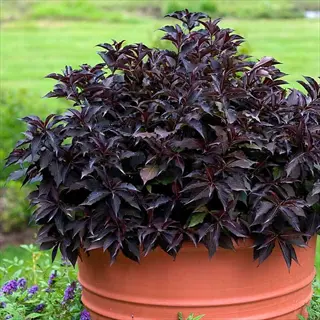
Purple Leaf Weigela (Wine and Roses style)
- Look: Deep wine purple foliage holds its color all season and sets off the rosy pink spring flowers for strong contrast.
- Size: A medium to large form, often reaching 4 to 6 feet (1.2 to 1.8 meters) tall and nearly as wide in full sun.
- Best use: Works as a colorful specimen or as the dark anchor in a mixed shrub border with lighter neighbors.
- Light: Needs full sun for the richest purple tone, since shade fades the foliage toward muddy green.
- Bloom: Tubular rose pink flowers appear in mid to late spring and draw hummingbirds to the back of the border.
- Care: Prune lightly right after flowering to keep the shape tidy without sacrificing next spring's display.
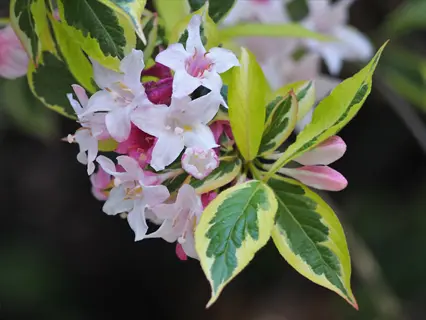
Variegated Weigela (Variegata)
- Look: Green leaves edged in creamy yellow or white brighten shady corners and stay interesting between bloom flushes.
- Size: A classic form that can reach 4 to 6 feet (1.2 to 1.8 meters), though compact variegated cultivars stay smaller.
- Best use: Lights up a partly shaded bed or softens a dark fence line where solid green shrubs would disappear.
- Light: Tolerates a little more shade than purple types, but full sun still gives the heaviest flowering.
- Bloom: Soft pink trumpet flowers in spring layer over the bright foliage for a gentle, cottage garden feel.
- Care: Remove any all green reverting shoots promptly so the variegated pattern stays true across the shrub.
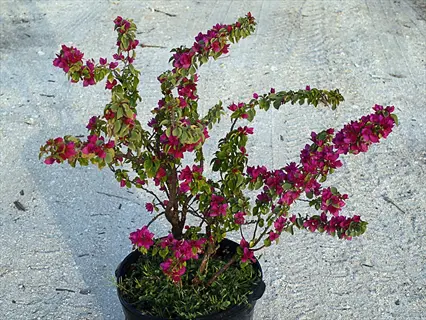
Dwarf Weigela (My Monet and similar)
- Look: A tidy mound of small leaves, often variegated, that suits tight spaces and large containers.
- Size: Stays under about 2 feet (0.6 meters) tall and wide, the smallest size class extension sources describe.
- Best use: Ideal as a foundation plant, low edging or a patio pot where a full size shrub would overwhelm.
- Light: Some dwarf forms tolerate light shade, making them flexible for smaller, shadier modern yards.
- Bloom: Produces pink spring flowers on a small frame, giving weigela charm without the bulk.
- Care: Needs very little pruning thanks to its naturally compact habit, just a light tidy after bloom.
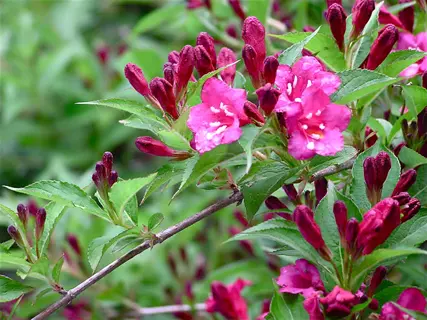
Reblooming Weigela (Sonic Bloom style)
- Look: Bright pink, red or coral flowers that return in flushes from spring into early fall on a green leaf frame.
- Size: Usually a medium shrub of 4 to 5 feet (1.2 to 1.5 meters), depending on the specific cultivar.
- Best use: Best where long season color matters, such as a front border or a spot seen from the house daily.
- Light: Full sun fuels the strongest repeat flowering, since the summer blooms form on new growth.
- Bloom: Flowers heavily on old wood in spring, then reblooms on current season growth without deadheading in most cases.
- Care: A light feeding and tidy after the first flush helps encourage the strongest later bloom flushes.
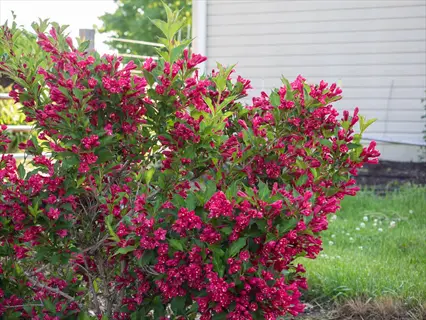
Cold Hardy Weigela (Red Prince)
- Look: True dark red, non fading trumpet flowers cover an upright green leaf shrub in late spring.
- Size: A larger form reaching roughly 5 to 6 feet (1.5 to 1.8 meters), good for the back of a border.
- Best use: A strong choice for colder zone 4 gardens where many showy weigelas suffer winter dieback.
- Light: Full sun keeps the red color deep and the flowering heavy through the spring show.
- Bloom: Iowa State introduced 'Red Prince' as a true red that holds color better than typical purple red types.
- Care: More cold hardy than most, though late winter removal of any dead wood still keeps it vigorous.
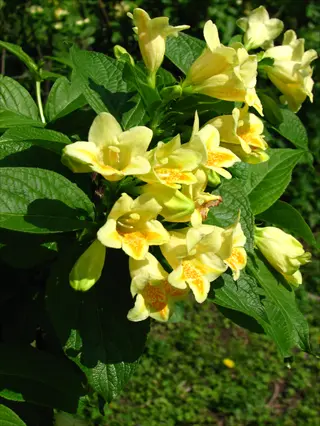
Yellow Flowered Species (Weigela middendorffiana)
- Look: Unusual soft yellow, bell shaped flowers with orange throats, a rare break from the usual pink and red.
- Size: A smaller, arching species shrub that suits a sheltered, lightly shaded woodland edge planting.
- Best use: A collector's pick for gardeners who want a weigela beyond the common Weigela florida hybrids.
- Light: Prefers a little protection from harsh afternoon sun compared with sun loving florida types.
- Bloom: Flowers in spring with a distinctive yellow color that almost no competitor variety offers.
- Care: Treat like other weigela, pruning after bloom, but give it a more sheltered, evenly moist spot.
One color note saves cold zone gardeners some grief. Most so called red weigelas actually open a purple red, which can look muddy up close. Red Prince is the exception, with a true dark red bloom that holds its color and shrugs off cold better than the rest. That makes it a smart bet in zone 4 where showier types get hit by winter dieback.
Red Prince also comes with good roots. Iowa State University bred it alongside Pink Princess and White Knight. That gives you proven, brand neutral picks that sit right next to the familiar purple leaf and variegated forms. Match the size and color to your spot, and any of these will earn its keep for years.
How to Plant a Weigela Shrub
Knowing how to plant weigela the right way decides whether your shrub takes off or just sits there for a year. The good news is that this plant asks for very little once the basics are right. Get the spot and the depth correct, and the rest is easy.
Where to plant weigela comes down to one thing first: light. This shrub wants full sun, which means 6 or more hours of direct sun each day. Less light gives you a leggy plant with thin blooms. The soil matters too, but weigela is forgiving here. It grows in clay, loam, or sand across a wide pH range, as long as you give it well drained soil that never stays soggy.
My first weigela barely grew its whole first season in a damp bed along the back fence in zone 5. The leaves stayed small and the stems hardly moved while everything around it filled in. I lifted it that fall and found the root ball sitting low in heavy clay that held water like a bowl. I reset it with the root flare level and forked plenty of grit through the clay to open it up. By the next summer it had doubled in size and thrown out red trumpet blooms.
Spacing trips up a lot of new gardeners. A full size weigela spreads 9 to 12 feet (2.7 to 3.7 meters) wide at maturity, so give each shrub that much room from its neighbors. Crowd them and you lose airflow and the open shape that makes them worth growing. Dwarf forms need far less, often just 2 to 3 feet apart, so always check the tag for your variety.
Timing rounds out the picture. The best window for when to plant weigela is spring or early fall. Either one gives the roots time to settle in before summer heat or winter cold hits. Avoid planting in the heat of midsummer, when the shrub spends all its energy fighting to stay hydrated instead of digging in.
Choose a site with at least 6 hours of direct sun and room for the mature width so the shrub never gets crowded.
Make sure water drains away after rain. Weigela tolerates clay but never wants to sit in soggy ground.
Dig a hole as deep as the root ball and two to three times as wide, loosening the surrounding soil for easy rooting.
Place the shrub so the top of the root ball sits level with the surrounding soil, never buried deeper than it grew.
Firm soil around the roots, then water deeply to settle it and remove air pockets around the new root ball.
Add 2 to 3 inches (5 to 8 centimeters) of mulch, keeping it off the stems, to hold moisture and steady soil temperature.
Planting too deep is the quickest way to stunt a new weigela. Keep the root flare at soil level and the crown above the mulch.
Light, Soil and Water Needs
Light is the lever that controls how hard your shrub blooms. A weigela full sun spot gives you the heaviest flush of flowers. It also brings out the richest leaf color on the purple and variegated types. Plant it in partial shade and you still get a healthy plant. You just get noticeably fewer blooms and softer leaf tones. Aim for at least 6 hours of direct sun if flower power is your goal.
Soil is where weigela earns its easy reputation. The right weigela soil drains well, but the plant is not fussy about texture and grows in clay, loam or sand. It also handles a wide pH band from acid to alkaline, so you rarely need to amend the ground first. The one rule that matters is drainage, because roots sitting in soggy beds rot. As long as your well drained soil lets water move through, you are set.
This is a tough shrub for tough spots. Weigela is clay tolerant, lightly salt tolerant and shrugs off air pollution. That makes it a dependable pick for city yards and roadside beds where pickier plants sulk. The salt tolerance helps near sidewalks and drives that get winter salt. You get a reliable flowering shrub in spots that defeat a lot of fancier plants.
Watering weigela is simple once you learn its rhythm. A good target for an established plant is about 1 inch (2.5 cm) of water every 10 days. Give it more in heat and less after rain. A mature shrub shrugs off short dry spells, so a deep but rare soaking beats a daily light sprinkle. Shallow watering trains roots to stay near the surface. A slow deep drink pushes them down to find moisture on their own. Water new plants more often through that first season until they settle in.
Pruning and Winter Dieback
A brutal zone 5 winter left the Wine and Roses by my back fence with brown, lifeless tips on every stem. The dark foliage looked half dead, and the top 8 inches of each cane snapped like a dry twig. I waited until late winter and cut those dead stems back to live green wood. By June the shrub pushed a full flush of new shoots and a heavy round of pink flowers along the lower canes.
That recovery points to why pruning weigela trips up so many people. Most guides tell you to prune right after the spring bloom. Others tell you to cut dead wood in late winter. Both are right, because they are two separate jobs done at two different times of year. Once you see them as two jobs, the contradiction goes away.
The timing rule comes down to one fact about the plant. Your spring flowers form on old wood, meaning the stems that grew last year. Weigela blooms on old wood, so any hard cut in fall or winter throws away the very buds that would open in spring. That is why when to prune weigela for shape is the window right after the flowers fade.
So here is how to prune weigela without losing next year's color. Right after the spring bloom, shorten any overlong shoots and snip off the spent flowers to keep the shrub tidy and full. This light touch also nudges reblooming types to throw a few more flushes on their fresh summer growth. Save the saw for later.
Then comes the late winter job, driven by winter dieback. In colder zones this browning of stem tips is fairly common, and waiting until late winter lets you see exactly which wood died. Cut those dead or damaged stems back to live tissue, and at the same time do your renewal pruning. Remove up to one third of the oldest stems right at the base to push vigorous new growth and stronger bloom.
- Prune right after the spring bloom while flowers fade, since they form on old wood.
- Shorten overlong shoots and deadhead to keep the shrub tidy and full.
- Avoid heavy cuts in fall, which would remove next spring's flower buds.
- Wait until late winter to cut out any dead or winter killed stems.
- Remove up to one third of the oldest stems at the base to renew vigor.
- Use this window to thin weak or crossing branches before growth starts.
If your weigela looks twiggy and blooms poorly, renewal pruning a few of the oldest stems at the base in late winter restores heavy flowering.
Wildlife and Landscape Uses
Most plant tags sell weigela on one line about hummingbirds. The bird claim is true, and weigela hummingbirds put on a real show. But you still need the full wildlife picture to plan a bed that works.
Here is the honest version. The flowers are long and tubular, so they fit a hummingbird's bill and a butterfly's tongue much better than a short tongued bee. That shape is why weigela earns its name as a hummingbird plant, and why it is a weaker bee draw than the marketing suggests. The list below sorts out who really shows up and where the shrub fits in your yard.
Hummingbird Magnet
- Why: The long tubular flowers are shaped for a hummingbird's bill, making weigela a reliable spring nectar source.
- Timing: Peak hummingbird visits line up with the main spring bloom, with extra visits on reblooming cultivars.
- Tip: Plant near a window or patio so you can watch the birds work the flowers up close.
Butterflies and a Bee Footnote
- Butterflies: Butterflies also visit the flowers, adding movement to the spring border alongside the hummingbirds.
- Honest bees: Bees do stop by, but weigela is a secondary bee plant, not a heavy bee magnet like bee balm.
- Plan: For strong bee forage, pair weigela with flatter, open flowers that short tongued bees reach more easily.
Deer Resistant, Not Deer Proof
- Resistance: Weigela is rated deer resistant, so it usually escapes serious browsing in deer prone yards.
- Reality: Hungry deer may still nibble young or stressed plants, so resistant means less tempting, not untouchable.
- Use: It pairs well with other deer resistant shrubs to build a border that holds up to wildlife pressure.
Landscape Workhorse
- Borders: Full size shrubs anchor a mixed shrub border, while colorful foliage forms shine as specimens.
- Foundations: Dwarf cultivars under 2 feet (0.6 meters) suit foundation plantings and low edges along a path.
- Tolerance: Its tolerance of clay, light salt and air pollution makes it dependable for tough roadside or city beds.
If your main goal is feeding bees, treat weigela as a bonus rather than a centerpiece; its tubular flowers serve hummingbirds and butterflies first.
One catch shapes where you put this shrub. Weigela is grand in bloom but offers little interest the rest of the year. A bed built around it alone looks bare for months. Use it as a foundation plant or in a mixed border, and pair it with evergreens or shrubs that bloom later. Those plants carry the bed after the flowers fade. Even so, weigela earns its spot for weigela pollinators and as a tough, deer resistant shrub that handles rough spots.
How to Propagate Weigela
Once you fall for one of these shrubs, you will want more of them. The good news is that weigela propagation costs you nothing but a little time. You can turn one favorite plant into a whole row of free shrubs for your garden.
Home gardeners rely on three simple methods, and softwood cuttings are the easiest place to start. Take them in early summer, when the new stems snap cleanly instead of bending. These tender weigela cuttings root fast, and many will take root in plain moist sand without any rooting hormone at all.
- Softwood cuttings: In early summer, cut 4 to 6 inch (10 to 15 centimeter) tips, strip lower leaves and root them in moist sand or potting mix.
- Hardwood cuttings: In late fall or winter, take dormant stem sections and root them in a sheltered bed over the cooler months.
- Ground layering: Bend a low, flexible stem to the soil, pin it down and let it root in place before cutting it free the next season.
- Patience: Keep new cuttings consistently moist and out of harsh midday sun until fresh roots and growth appear.
- Label new plants with the variety name so you do not lose track of which cultivar you propagated.
Layering is the most forgiving method for beginners because the stem keeps drawing on the parent plant while it roots, so there is little risk of it drying out.
Think of layering as letting a low branch root itself before you ever cut it free. You bend a flexible stem down to the soil, pin it in place, and wait while it grows roots on its own. It is the simplest way to propagate weigela, since the parent plant feeds the new roots the whole time.
5 Common Myths
Weigela is an evergreen shrub that holds its leaves and keeps its color through the cold winter months.
Weigela is deciduous and drops every leaf in fall, standing bare all winter before leafing out again in spring.
You can prune a weigela hard in fall or early winter without losing any of next year's spring flowers.
Weigela blooms on old wood, so fall pruning removes the buds, meaning you should shape it right after flowering.
Weigela is a top bee plant that feeds large numbers of honeybees and bumblebees throughout the season.
Its tubular flowers favor hummingbirds and butterflies; bees visit, but weigela is only a secondary draw for them.
Because it is labeled deer resistant, deer will never touch a weigela shrub no matter how hungry they are.
Weigela is deer resistant, not deer proof; hungry deer may still browse it, especially young or stressed plants.
Weigela needs rich, constantly moist, acidic soil and will fail in heavy clay or polluted city conditions.
Weigela tolerates clay, a wide pH range, light salt and air pollution as long as the soil drains reasonably well.
Conclusion
A weigela shrub gives you a lot in return for very little work. Plant it in the right spot and it rewards you with a heavy spring show, then keeps tossing out color through the warmer months. This is the rare flowering shrub that asks for one good pruning a year and not much else.
The whole of weigela care comes down to a few simple facts. Give your shrub full sun and well-drained soil and the roots stay happy. The main spring flush blooms on old wood, so handle your pruning weigela chores right after the flowers fade, never in fall. Then in late winter, clip out any stems that died back over a hard cold snap. That's it.
Get those few things right and the same plant can thrive for 20 years or more in one spot. When an older shrub starts to look tired or sparse, a renewal prune of the thickest stems pushes out fresh, vigorous growth the next season. You won't replace this plant. You'll just refresh it and watch it bounce back stronger.
With over 150 cultivars to choose from, the smartest move you make is picking the right size and color now. A dwarf variety stays under 2 feet and tucks into a tight border, while a full-size pick fills a corner fast. Match the weigela varieties to your space today and you set up a low-maintenance shrub that earns its keep for decades. There is a weigela for nearly every garden style and zone, so the only real question left is which one goes in the ground first.
Glossary
- cultivar
- A plant variety selected and named for specific traits like flower color or compact size.
- deadheading
- Removing spent flowers to tidy a plant and sometimes encourage more blooms.
- deciduous
- A plant that drops all of its leaves each fall and stays bare through winter.
- old wood
- Stems that grew in previous seasons, which is where weigela forms its main spring flower buds.
- renewal pruning
- Cutting out a portion of the oldest stems at the base to spur vigorous new growth on a shrub.
- softwood cuttings
- Young, flexible stem tips taken in early summer and rooted to grow new plants.
- variegated
- Leaves marked with two or more colors, such as green edged in cream or white.
- winter dieback
- The death of stem tips or branches over a cold winter, common on weigela in colder zones.
External Sources
Frequently Asked Questions
Where is the best place to plant a weigela?
Plant weigela in a full sun spot with well drained soil and enough room for its mature spread.
Is weigela a full sun or shade shrub?
Weigela grows and blooms best in full sun, though it tolerates partial shade with reduced flowering.
Do weigela need to be cut back each year?
Weigela does not need heavy cutting back, but light pruning right after flowering keeps it healthy.
Is October too late to prune a weigela?
October is too late for shaping cuts because weigela blooms on old wood, but you can remove dead wood.
Do weigela lose their leaves in winter?
Yes. Weigela is a deciduous shrub, so it drops all of its leaves in fall and stays bare through winter.
Does a weigela shrub grow quickly?
Weigela has a medium growth rate, filling out its space over a few seasons rather than overnight.
How long do weigela bushes last?
A well cared for weigela can live for many years, and renewal pruning keeps old shrubs vigorous for decades.
How do you prepare a weigela for winter?
Mulch the base, water well before the ground freezes, and save dead wood removal for late winter.
How much space does a weigela need?
Give a full size weigela 9 to 12 feet (2.7 to 3.7 meters) of width; dwarf types need much less.
What is the prettiest weigela variety?
Beauty is personal, but purple leaf and variegated types are among the most loved for color all season.