
Introduction
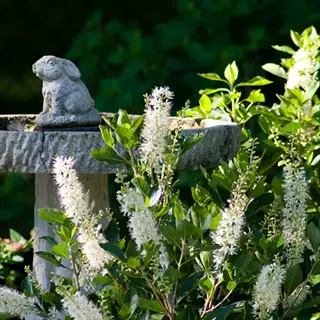
You smell it before you spot it. The scent shows up in July and August, when most shrubs have stopped blooming. It is spicy and sweet, and it drifts across the yard from white or pink bottlebrush spikes. That plant is the summersweet shrub (Clethra alnifolia). It earns its spot in the quietest part of the season.
This is a tough native shrub of eastern North America. It is hardy across USDA Zones 3 to 9. Most plants grow 5 to 8 feet tall and 4 to 6 feet wide, or about 1.5 to 2.4 m by 1.2 to 1.8 m. That size fits a border, a foundation bed, or a damp back corner. Old-timers call it sweet pepperbush. The name points to the small peppercorn-like seed pods it holds into winter.
Here is the honest part. The usual care basics only get you so far. This guide goes further. You will learn how it blooms even in full shade. You will learn how to keep its spreading roots in check. You will see how to pick the right variety for your space. And you will find out how much it really feeds bees, butterflies, and birds. As a full shade flowering shrub, it solves a problem few others can.
I planted my first sweet pepperbush in a soggy north-facing corner where nothing else would flower. By its second July it was covered in white spikes, and the bees showed up within days. That damp, dim spot is exactly where this plant shines.
More gardeners now want native, low-care plants for wet or shaded problem spots. This fragrant native shrub is a go-to fix. It works in rain gardens, along pond edges, and in shaded borders. The sections ahead show you why to grow it and how to plant it. You will also learn its light and soil needs, when to prune it, the wildlife it feeds, and the best varieties to buy.
Why Grow Summersweet Shrubs
By late July the low back corner of my coastal Connecticut garden hums with bees. The summersweet shrub there throws spicy-sweet scent across the whole yard. Two plants did it. I used a deep pink 'Ruby Spice' and a compact 'Hummingbird', set right where a downspout drains. The ground stays wet there for days after rain. That spot used to be my problem child. A lavender drowned there first. Then a coneflower rotted off at the crown by its second summer. I put the summersweet in, and it shrugged off the soggy shade. The dead zone is now a thicket the bees treat like a buffet.
Most flowering shrubs are done by June, which leaves a quiet gap right when you want the garden at its best. Summersweet fills that gap. It is a late summer blooming shrub that opens in July and August. The blooms form on new growth, not old wood. Clemson Extension says it flowers hard for 4 to 6 weeks when little else is in bloom. The fragrant flowers fill the air with a warm, spicy scent. You catch it before you even reach the plant.
Here is the trait that makes it rare. Summersweet is one of very few shrubs that bloom hard even in deep shade. It is a true full shade shrub. It does not just survive there. It blooms there, so it solves the dark, damp corner that defeats almost everything else. Plant it under tall trees or against a north-facing fence and you still get the white or pink bottlebrush spikes. Most blooming shrubs need sun to flower well. This one breaks that rule.
It earns its space on size too. A mature plant runs about 5 to 8 feet (1.5 to 2.4 m) tall and 4 to 6 feet (1.2 to 1.8 m) wide. That fills a screen or a wet slope without taking over the bed. Dwarf types like 'Hummingbird' stay closer to 3 to 4 feet. So you can match the plant to the spot instead of fighting it later.
The flowers are only part of the payoff. Summersweet gives you four season interest. The golden-yellow fall color lights up the border. Brown seed capsules then hang on through winter. Those capsules feed songbirds in the cold months. They add texture when the rest of the garden has gone bare. You get fragrance in summer, color in fall, and structure plus bird food in winter from a single plant.
How to Plant Summersweet
My new summersweet sat in a damp back corner in Connecticut and stayed bare for weeks after everything else greened up. The lilac next to it had full leaves. The hostas were up. My shrub looked like a bundle of dead twigs stuck in the mud, and I was sure I had killed it.
Then one morning in late spring the buds swelled, and within days it pushed out a flush of fresh green leaves. The plant was fine the whole time. Summersweet is just late to wake up, often weeks behind other shrubs, so bare stems in May seldom mean trouble.
The timing of planting summersweet matters more than most guides let on. Plant in spring or early fall so the roots settle in before summer heat or hard frost. That is also the simple answer to when to plant summersweet, since you want soft, workable, moist soil and mild air while the plant gets going.
Here is the part that surprises people. This shrub wants the damp, low spots most plants hate. A rain garden basin, a downspout outlet, or a pond edge is an ideal home, not a compromise. Drop it in the wet corner of your yard and it will thank you for it.
Choose a site with moist, acidic soil in sun or shade. Low, damp areas and pond edges work well, while hot, dry spots do not.
Dig a hole about twice as wide as the root ball and no deeper, loosening the sides so new roots can spread into the surrounding soil.
Place the plant so the top of the root ball sits level with the soil surface, then backfill with the loosened soil and firm it gently.
Water deeply right after planting, then spread a few inches of mulch around the base to lock in moisture and keep the roots cool.
Summersweet leafs out very late in spring, often weeks after other shrubs. Bare stems in May usually mean a sleepy plant, not a dead one, so wait before replacing it.
Water deeply right after you plant. Then lay down a few inches of mulch to hold the damp and keep the roots cool. Want a privacy screen or loose hedge? Space the plants about 3 to 5 feet apart so the suckering clumps grow together over a few seasons. Give them that head start and the rest is patience.
Light, Soil and Water Needs
Most shrubs force you to pick between sun and shade. Summersweet does not. This plant grows across full sun part shade full shade, so the spot you have to fill matters less than how wet you keep it. Light is the easy part here.
Moisture is the real limit, not light. Keep the soil reliably moist soil to wet, and summersweet will bloom for you almost anywhere you plant it. More sun just means you water more often, because open exposure dries the ground faster than dappled shade does.
Summersweet soil should be acidic soil that stays organic and damp. The University of Maryland Extension pegs the sweet spot at a soil pH near 4.5 to 6.5. The plant still copes up toward neutral. And it is not fussy about texture, so clay, loam, and sand all work fine.
The one site it will not forgive is hot and dry. NC State Extension notes that summersweet will not tolerate a hot, dry spot, yet it shrugs off the opposite extreme. Once it settles in, it handles periodic flooding and even brief, lightly brackish water near the coast.
These shrubs will even bloom profusely in complete shade.
In hot regions, think of afternoon shade as a midday break the plant takes to ease water stress. That is why gardeners in warm zones should favor morning sun with afternoon shade. The salt tolerance pays off too, making summersweet a smart pick for coastal beds and roadside strips where many shrubs simply quit.
Pruning and Managing Spread
Most care guides walk you through light, soil, and water but go quiet on the one habit that surprises new growers. Summersweet spreads slowly by root suckers into a small thicket, and you want a plan for that before it ever happens.
Here is the good news on pruning summersweet. It flowers on new growth, the stems it pushes out this very season, so you never have to fuss over timing the way you do with spring shrubs. The question of when to prune summersweet has one clean answer.
Cut it in late winter or early spring, before the new shoots wake up. Because summersweet blooms on new growth, pruning while it is bare and dormant costs you zero flowers for the coming summer. Many shrubs bloom on old wood and must be cut right after they finish flowering. Summersweet is the opposite, so a tidy-up in the cold months is both easy and safe.
- Time it right: Prune in late winter or early spring, before new growth starts, so you keep all of next summer's flowers.
- Thin and shape: Remove dead, weak, or crossing stems and cut a few of the oldest stems to the ground to renew the shrub.
- Lift unwanted suckers: Each spring, slice off and dig out suckers that stray beyond the space you want with a sharp spade.
- Leave the spreading roots in place on slopes or pond banks where you want help with erosion control.
Summersweet flowers on current-season growth, so never prune it in late summer or fall. Late-winter pruning keeps the shape tidy without cutting off this year's flower buds.
Worried this thing will take over the yard? It will not. Summersweet is a native shrub, not an invasive one, and the spread is slow and easy to manage. Any sucker that strays past the line you drew lifts right out with a sharp spade in spring, roots and all.
Now flip that habit on its head. The same roots that some gardeners trim back are a real gift on a slope or a pond bank. They knit the soil together and give you erosion control. The shrub spreads into a soft, fragrant colony as it goes. So controlling spread is not about fighting the plant. You point it where it helps and lift out the rest.
Wildlife and Pollinator Value
On a warm July day a flowering summersweet shrub hums with life from morning into evening. The fragrant white spikes draw a steady stream of bees and butterflies, and the buzz rarely lets up while the sun is high.
That timing is the whole point. Summersweet blooms in mid to late summer, a stretch when many spring flowers have already faded. So it helps bridge a real nectar gap and feeds pollinators when food gets scarce, which makes it a strong anchor for any pollinator garden.
The flowers give native bees high-quality nectar and pollen. The sweet scent pulls in butterflies and hummingbirds too. The University of Maryland Extension calls the shrub a big help to native wildlife. And the support does not stop when the blooms do.
Through fall and winter the brown seed capsules hang on, and a range of songbirds eat the seeds. The shrub is also a host plant for the Sweet Pepperbush Nola Moth. Here is how that value breaks down across the year.
Bees and other pollinators
- Nectar and pollen: The fragrant flower spikes produce high-quality nectar and pollen that feed native bees and many other pollinating insects.
- Peak timing: They are busiest in July and August, a season when fewer other plants are flowering and nectar can be scarce.
- Garden value: A single shrub in bloom can hum with activity all day, making it a centerpiece for any pollinator garden.
Butterflies and hummingbirds
- Strong draw: The sweet scent and rich nectar pull in butterflies and hummingbirds throughout the late-summer bloom.
- Placement tip: Site it near a patio, path, or window so you can watch the visitors and enjoy the fragrance up close.
- Season bridge: Its bloom helps support these visitors after many early-summer flowers have faded.
Songbirds and moths
- Winter food: Brown seed capsules persist into fall and winter, and a variety of songbirds eat the seeds.
- Host plant: Summersweet is a host plant for the Sweet Pepperbush Nola Moth, adding to its native ecosystem value.
- Year-round role: Between flowers, seeds, and foliage, it supports wildlife across more than one season.
Resistance to deer and rabbits
- Deer resistant: Multiple extension sources document summersweet as deer resistant, a key advantage in browsed gardens.
- Rabbit resistant: Garden consensus also reports it resists rabbits, so it tends to be left alone by common browsers.
- Practical upshot: You get heavy pollinator traffic without the shrub itself becoming a target for larger animals.
Here is the part that seals the deal. Summersweet is deer resistant, and several extension sources back that up. Garden reports also say it resists rabbits, so the shrub tends to get left alone by common browsers.
That mix is rare. You get heavy pollinator traffic and a busy summer hedge. And the plant itself does not turn into deer or rabbit food. Few shrubs feed this much wildlife while staying off the menu.
The flowers produce high-quality nectar and pollen that support hummingbirds, butterflies, bees and other pollinators.
Best Summersweet Varieties
The deep pink summersweet spikes of Ruby Spice glowed against a shaded fence one August. I was walking a coastal Connecticut garden. The spikes held their color in the heat. Right beside them, a compact white Hummingbird stayed knee-high and tidy. Two plants, one wet corner, and I could read the difference in color and size at a glance.
That side-by-side view is the real point of choosing among summersweet varieties. You are not picking one best plant. You are matching a cultivar to a job, whether that means a tight space, a punch of pink, oversized white florets, or the classic compact form. Pick by the goal first, and the right plant sorts itself out fast.
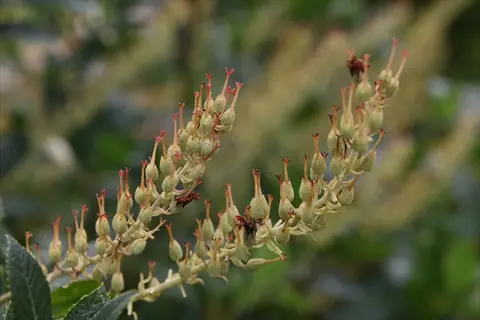
Hummingbird
- Best for: Gardeners who want the classic look in a tidy, compact package for smaller borders.
- Size: A compact selection reaching about 3 to 4 feet (0.9 to 1.2 m) tall and wide.
- Flowers: Dense, fragrant white spikes in mid to late summer that pollinators love.
- Origin: A popular selection introduced from Callaway Gardens and widely available.
- Use: Works well in mass plantings, foundation beds, and low informal hedges.
- Bonus: Holds the Royal Horticultural Society Award of Garden Merit for reliable performance.
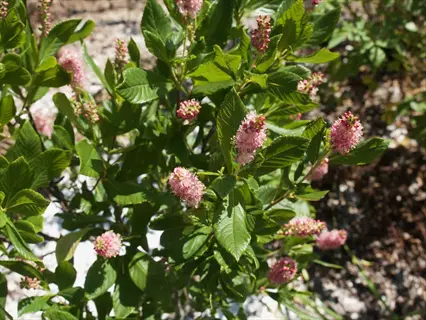
Ruby Spice
- Best for: Gardeners who want pink rather than white flowers in the late-summer garden.
- Size: A full-size form reaching roughly 5 to 6 feet (1.5 to 1.8 m) tall and wide.
- Flowers: Deep, rich pink spikes whose color does not fade in the heat.
- Origin: Selected at Broken Arrow Nursery in Hamden, Connecticut, as the darkest pink form.
- Use: A standout in shaded borders and fragrance gardens where the pink really shows.
- Bonus: Also holds the Royal Horticultural Society Award of Garden Merit.
Vanilla Spice
- Best for: Gardeners who want the biggest, showiest white flowers for close-up viewing.
- Size: A medium to full form, generally around 3 to 6 feet (0.9 to 1.8 m) tall.
- Flowers: Extra-large white florets, roughly twice the size of many other varieties.
- Foliage: Glossy dark green leaves that set off the bright white blooms.
- Use: Great near a deck, patio, or path where the large fragrant spikes can be enjoyed.
- Bonus: A modern named selection valued for its oversized flower spikes.

Sugartina Crystalina
- Best for: Small gardens, containers, and tight spaces that need a true dwarf shrub.
- Size: A compact dwarf reaching only about 3 feet (0.9 m) tall and wide.
- Flowers: Fragrant white spikes on a neat, rounded plant.
- Habit: Stays small and well-behaved, so it needs little pruning to keep its shape.
- Use: Ideal for patio pots, low edging, and front-of-border planting.
- Bonus: A widely sold dwarf selection well suited to modern, smaller landscapes.
There is a summersweet for almost any spot you can name. Need something for a patio pot or a tight bed by the front walk? A dwarf summersweet like Sugartina Crystalina holds at about 3 feet (0.9 m) and asks for almost no pruning. Want a bigger statement in a shaded border? The full-size pink form gives you height and color that other shrubs skip in late summer.
For most gardens I steer people to Hummingbird summersweet as the safe first pick. It stays compact and blooms hard, and it holds the Royal Horticultural Society Award of Garden Merit. That award is a solid sign of reliable garden performance. Reach for Ruby Spice when you want the pink to show from across the yard. Both have earned that same award, so neither one is a gamble.
5 Common Myths
Summersweet is evergreen because it stays attractive through several seasons of the year in the garden.
It is deciduous. Leaves turn golden yellow and drop in fall, and the bare stems hold brown seed capsules into winter.
Summersweet will only flower well when it is planted in a sunny, open spot with plenty of direct light.
It is one of the few shrubs that blooms profusely even in complete shade, as long as the soil stays reliably moist.
Because summersweet spreads by root suckers, it is an aggressive, invasive plant that will take over a garden bed.
It is a native shrub that suckers slowly into a clump. The spread is easy to control and it is not considered invasive.
Summersweet should be pruned right after it finishes flowering in late summer to shape it for the next year.
It blooms on new growth, so prune in late winter or early spring. Pruning in late summer removes next year's flower buds.
Summersweet needs rich, dry, neutral garden soil and will suffer badly if its roots ever sit in wet ground.
It prefers moist to wet, acidic soil and tolerates periodic flooding, which is why it thrives in rain gardens and pond edges.
Conclusion
The summersweet shrub earns its spot for one simple reason. It hands you fragrant flowers in July and August, the quiet weeks when most of the garden has already gone green and still. Those white and pink bottlebrush blooms fill the air with a warm, spicy scent, and they do it whether your spot gets full sun or sits in deep shade.
Give it the soil it loves and the rest takes care of itself. This native shrub wants moist, acidic ground, roughly pH 4.5 to 6.5, and it thrives across USDA Zones 3 to 9. Plant it in a damp corner and it will pull bees, butterflies, hummingbirds, and seed-eating songbirds to your yard for weeks on end.
You also get a plant that asks for very little. It is a low maintenance, deer resistant choice that mainly wants steady moisture and one cleanup pruning in late winter. It spreads by suckers, but slow enough that you can dig out the strays in an afternoon. There is no spraying, no fussing, and no real pest list to worry about.
So picture the right fit for your own space. A dwarf like Hummingbird tucks into a container or a tight bed at 3 to 4 feet. A full-size plant fills a wet shaded corner at 5 to 8 feet, or lines a path where you brush past the blooms each day. Match the variety to your room and your light. More gardens are turning to tough native plants like this one, and you will have years of scent, color, and visiting wings to look forward to.
Glossary
- Brackish water
- Water that is slightly salty, a mix of fresh and sea water often found near coasts.
- Cold stratification
- A period of cold, moist conditions some seeds need before they will sprout; summersweet seed does not require it.
- Deciduous
- A plant that drops all its leaves each year, usually in fall, and grows new ones the next spring.
- Host plant
- A plant that a specific insect, such as a moth, relies on to feed and complete its life cycle.
- New growth
- The current season's fresh stems, which is where summersweet forms its flowers each year.
- rain garden
- A shallow planted basin that collects and soaks up rainwater runoff from roofs, downspouts, or paved areas.
- Softwood cuttings
- Pieces of soft, new green stem cut in early summer and rooted to grow into new plants.
- Suckers
- New shoots that grow up from a plant's roots, forming a wider clump or thicket over time.
External Sources
Frequently Asked Questions
Is summersweet shrub evergreen?
No. Summersweet is a deciduous shrub. It drops its leaves each fall after turning golden yellow, then leafs out late the following spring.
When should you prune summersweet shrub?
Prune summersweet in late winter or early spring, before new growth begins. It blooms on current-season wood, so this timing protects flowers.
Where should you plant summersweet shrub?
Plant summersweet in moist, acidic soil in full sun to full shade. It suits rain gardens, pond edges, shaded borders, and spots near a patio.
Is summersweet shrub deer resistant?
Yes. Summersweet is widely documented as deer resistant and is also reported to resist rabbits, making it a strong choice for browsed gardens.
How fast does summersweet shrub grow?
Summersweet grows at a moderate rate, adding roughly 1 to 2 feet (30 to 60 cm) a year. Most plants reach mature size in several seasons.
Can summersweet shrub grow in full sun?
Yes, summersweet grows in full sun if the soil stays moist. In hot, dry sun it struggles, so steady moisture matters more than light.
Do summersweet shrubs spread or become invasive?
Summersweet spreads slowly by root suckers to form a clump, but it is a native shrub and is not invasive. Suckers are easy to remove.
How do you propagate summersweet shrub?
Propagate summersweet by softwood cuttings in early summer, by seed that needs no chilling, or by digging up and replanting rooted suckers.
Is summersweet shrub a butterfly bush?
No. Summersweet is Clethra alnifolia, a native shrub, not the non-native butterfly bush (Buddleja). Both draw butterflies, but they are unrelated.
What is Ruby Spice summersweet shrub?
Ruby Spice is a summersweet cultivar with deep, non-fading pink flower spikes. It reaches about 5 to 6 feet (1.5 to 1.8 m) tall and wide.