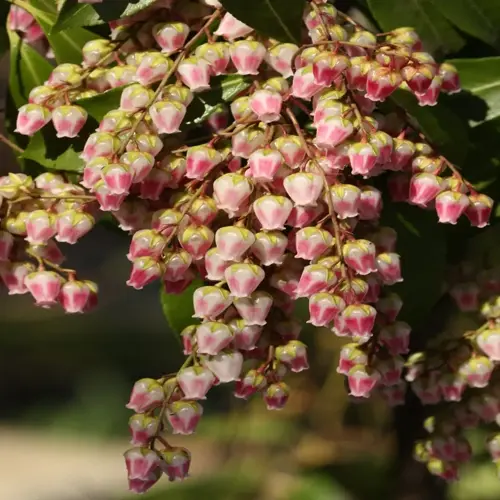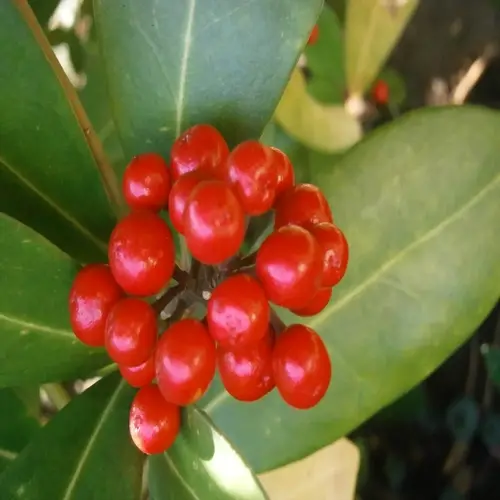

No, summersweet is not a butterfly bush. They are two different, unrelated plants. The whole summersweet vs butterfly bush mix-up starts with one thing both shrubs do in midsummer. Each one fills with butterflies on a warm afternoon. Stand near either bush and you see the same flutter of wings working the flowers, so people assume the names point to the same shrub. They do not.
The plant we call summersweet goes by the name Clethra alnifolia on a tag. It is a shrub that grows wild in the eastern part of the country. You can find it in damp woods and along stream edges from Maine down to Florida. The true butterfly bush goes by the name Buddleja, and it comes from Asia. Growers first brought it here for its long flower spikes, not because it fits your yard.
That difference in origin matters more than most plant tags let on. The butterfly bush often escapes from gardens in many parts of the country. A few states in the Northwest and the Northeast now list it as weedy or invasive. Its seeds blow into open land and crowd out the plants your local wildlife needs. Summersweet stays put and acts like a good member of the block, not a guest who takes over your beds.
The bigger split shows up in what each shrub does for wildlife once the bloom fades. Butterfly bush earns its name with nectar, and that is mostly where its job ends. Summersweet works as a true native pollinator shrub with a much fuller role. Here is how the two compare for a wildlife garden.
While it blooms, summersweet feeds native bees, butterflies, and hummingbirds. The fragrant white or pink spikes pull them in from across your yard. After the flowers drop, the seed capsules hang on through fall and winter. They feed seed-eating songbirds when little else is left. The shrub is also a host plant for several moth species, so caterpillars grow on its leaves. Those caterpillars then become food for nesting birds in spring. Butterfly bush gives you none of that. No native caterpillar feeds on it, so it skips the most important link in your local food chain.
So you can see why summersweet wins for a wildlife garden. It does the nectar job butterfly bush is known for, and then it does much more. You get a real native pollinator shrub that supports the full circle of bugs and birds, not just the showy adults that sip from the flowers. That is the part the non-native bush leaves out, and it is the part your yard needs most.
If you want a butterfly magnet without the weediness of Buddleja, choose summersweet. You get the same swarm of butterflies in July and August. You also get all the extra wildlife value the non-native shrub leaves out. Pick a spot with moist soil and some shade and the plant will reward you for years. Give it room, since most types reach 6 to 8 feet tall and wide over time. Water it well in its first summer and it settles in fast.
One last tip makes your shopping easier. Names get muddled at the garden center. A sign that reads butterfly shrub or summer butterfly plant can point to either one. Ask for the botanical name Clethra alnifolia so you bring home the native and not a Buddleja by mistake. Compact picks like Hummingbird and Ruby Spice stay smaller for tight beds. Use that one Latin name and you skip the whole mix-up at checkout.
Read the full article: Summersweet Shrub: Care and Growing Guide