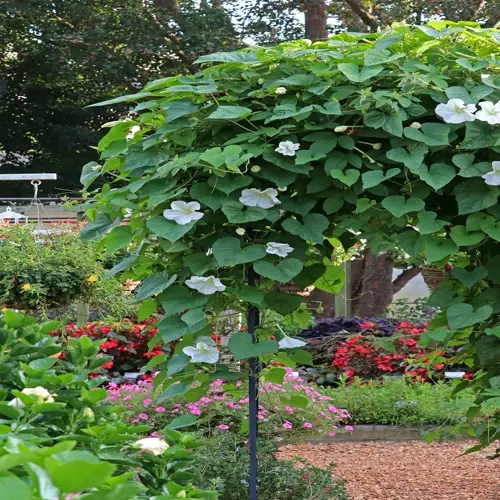

The 12 principles of permaculture are a set of design rules from David Holmgren. He is one of the two men who started permaculture. The rules run from observe and interact at the start to creatively respond to change at the end. Each rule takes the three ethics of permaculture and turns it into a clear step. You can use that step right in your own yard.
Think of these permaculture design principles as a checklist for smart choices. The ethics tell you to care for the earth and the people. They tell you to share what is left over. The principles tell you how. They cover where to put your beds and how to handle water. They cover what to do with scraps and how to plan for the seasons.
These are not just feel-good ideas. In 2018, two researchers put out a study in the journal Sustainability. Their names were Julius Krebs and Sonja Bach. They checked science papers against all twelve of the Holmgren principles. They found research support for every one. That backing is what sets this list apart from the unsourced lists you find online.
A few rules show up fast in any real garden. Catch and store energy is why you set up a rain barrel under your downspout. Winter rain then feeds your plants in a dry July. Produce no waste is why you build a compost pile. You turn kitchen scraps and fall leaves into free soil for spring. Obtain a yield keeps you honest, since a design that never feeds you is just a hobby.
Two more are easy to spot. Use and value diversity means you plant many crops, not one big block. That way a single pest cannot wipe out the whole bed. Use edges and value the marginal points you to that odd strip along a fence or path. The line between two zones is often the richest ground you have. Most lists name these rules but never show you what they look like.
Notice how the rules stack on top of each other. Observe and interact comes first for a reason. You watch your land for a season before you dig. You learn where water pools and where the sun hits. Design from patterns to details comes next, so you sketch the big shape before you fuss over each bed. And use small and slow solutions keeps the whole thing from getting away from you.
Here is the honest advice most lists skip. Do not try to use all twelve at once. Pick two or three that fit your biggest problem right now. Catching water and cutting waste are a good start. Build those into your garden first. Once a rain barrel and a compost bin are running, add the next rule. Small and slow is itself one of the principles. It keeps you from burning out before your first harvest.
Read the full article: Permaculture Garden: A Complete Guide