Introduction
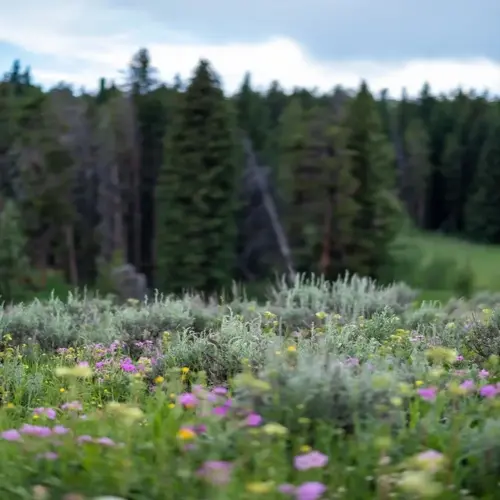
Picture a yard that hums with bees in June, fills with color from spring through fall, and asks almost nothing of you in return. That is what native wildflowers give you. They turn a thirsty patch of lawn into a living meadow that feeds wildlife and looks better every year with less work, not more.
Here is the number that changes how you see your own yard. One nest of chickadees needs 6,000 to 10,000 caterpillars to raise its young. Those caterpillars eat native plants and little else. So the flowers you pick decide whether the birds can feed their chicks at all. Native plants are the base of the whole backyard food web, and most yards skip them.
Most guides promise a meadow but give you no real proof, no sources, and no word on where your seeds should come from. This one is different. Every claim here ties back to the USDA, to university extension labs, and to real field studies. You will learn how to choose the right plants and when to plant them. You will also learn how to care for them, and why digging wildflowers from the wild does more harm than good.
First, a clear definition. A native wildflower is one that grew in your region before European settlement. Over time it adapted to your local soil, climate, and wildlife. That long fit with the land is why these plants feed so many pollinators and build real wildlife habitat. It is also why they stay low maintenance once their roots take hold. Let's start with why that fit matters so much.
Why Native Wildflowers Matter
The benefits of native wildflowers go far past the splash of color you see in your yard. Each plant you set out does real work for your soil, your water, and the animals around it. Most catalog lists give you the perks but skip the reason natives earn their keep.
Look at pollinators first. A multi-year study put native plots up against plain weedy ground. It ran in three states over several years. The native plots raised wild bees in both number and kind. The big reason was steady bloom that runs all season. These mixes helped declining bumble bees most of all.
Soil health improves for a reason you can dig up and see. Deep roots break apart heavy clay. They also lock down loose or sloped ground, so you get real erosion control. Legume natives like wild indigo make their own nitrogen, and that means you spend less on fertilizer. Your water conservation wins too, since these plants sip what falls instead of demanding more.
Feeding Wild Bees and Pollinators
- Proven by research: A multi-year experiment across Florida, Michigan, and California found native plantings raised wild bee abundance and richness over weedy plots.
- Design matters: Floral display size and season-long continuous bloom were the key drivers of how many pollinator species a planting supported.
- Helps declining bees: Wildflower mixes are especially valuable for bumble bees, a group in decline across several North American regions.
Supporting Birds Through the Food Web
- The caterpillar link: Native plants feed native caterpillars, and a single nest of chickadees needs 6,000 to 10,000 caterpillars to raise its chicks.
- Specialist feeders: Native caterpillars co-evolved with native plants and often depend on specific host plants to survive.
- More wildlife overall: Native plantings draw a greater variety of butterflies, hummingbirds, and songbirds than a traditional lawn.
Building Healthier Soil
- Deep roots: Fibrous and taproot systems break up heavy clay and compacted soil while stabilizing loose or sloped ground against erosion.
- Free fertilizer: Legume natives such as wild indigo and lupine fix nitrogen through root nodules, reducing the need for added fertilizer.
- Nutrient mining: Deep taproots pull nutrients from lower soil; prairie dock taproots have been recorded at 14 feet (4.3 m) deep.
Saving Water and Effort
- Low maintenance: Because natives are adapted to local conditions, they require minimal care once they are established (USDA).
- Water conservation: Native plantings conserve water and protect soil from erosion compared with thirsty conventional landscaping.
- Built-in resilience: Locally adapted plants are unlikely to be seriously damaged by native insects, so they need fewer interventions.
The bird link is the part most yards get wrong. Native plants feed native caterpillars, and those caterpillars feed songbirds. A single nest of chickadees needs 6,000 to 10,000 caterpillars to raise its chicks. Plant nothing native and you get no caterpillars, so you get no songbirds either. That chain runs the same way every spring, in every region.
Wildflowers support entire ecosystems for pollinators, birds, and small animals on a micro scale.
Best Native Wildflowers to Grow
The orange was the first thing I saw from the kitchen window that second summer. Butterfly weed glowed along the sunny back fence of my Midwest meadow strip. The flat heads were packed with bees, and they hummed before I even stepped outside. One plant ran half the length of that fence, and it pulled the whole planting together.
You do not need dozens of species to get that effect. A handful of well-chosen plants carries your meadow. The trick is matching each one to a job it does in your soil and food web. The best wildflowers for pollinators are not the prettiest in the catalog. They are the ones that feed bees and butterflies across your whole season.
That season-long bloom is the part most lists skip. A 2015 field study by Williams found what drives pollinator richness most. The answer was a big floral display and bloom from spring to fall. So pair your early bloomers with late ones. Mix in both annuals and perennials too, since the study showed they work better together than alone.
The 5 species below cover real types of native wildflowers you can plant with confidence. Each one earns its spot through function, not just looks. Some feed monarchs as host plants, one fixes nitrogen in the soil, and several send down deep taproots that find water in a drought.
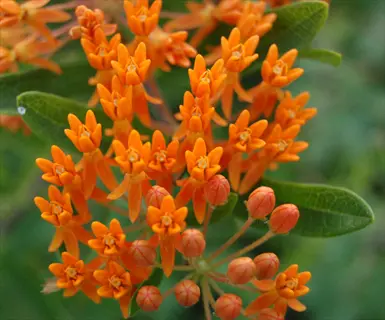
Butterfly Weed (Asclepias tuberosa)
- Function: A milkweed and a host plant for monarch caterpillars, so it feeds both pollinators and the next generation of butterflies.
- Bloom: Bright orange clusters appear through summer, adding a long stretch of color and nectar to a planting.
- Conditions: Thrives in full sun of 6 to 8 hours daily and tolerates lean, dry soils once established.
- Roots: A deep taproot makes it drought tolerant but also means it is best started from seed rather than transplanted.
- Wildlife: Draws native bees, butterflies, and other pollinators to its flat flower heads all season.
- Care: Needs little water or fertilizer once settled, fitting the low-maintenance habit of true natives.
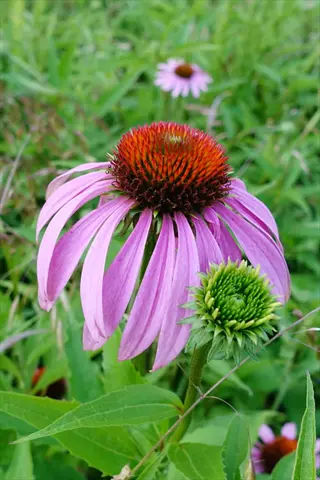
Purple Coneflower (Echinacea purpurea)
- Function: A dependable perennial that offers abundant nectar and pollen and leaves seed heads that feed birds in winter.
- Bloom: Pink-purple daisy-like flowers bloom for weeks in summer, contributing to season-long display.
- Conditions: Grows in full sun to light shade and adapts to a range of soils, making it beginner friendly.
- Roots: A sturdy taproot helps it withstand drought and stabilizes soil over time.
- Wildlife: Attracts bees, butterflies, and goldfinches, which eat the seeds from spent flower heads.
- Care: Leave the dried seed heads standing through winter to feed birds rather than cutting them down.
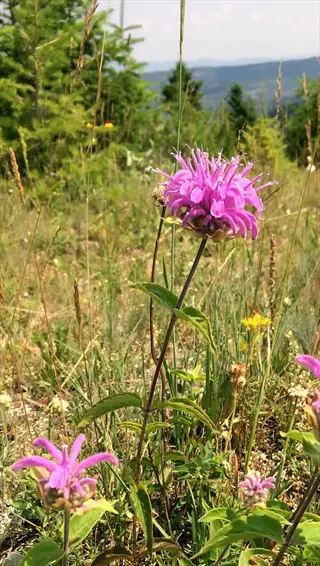
Wild Bergamot (Monarda fistulosa)
- Function: Also called bee balm, it is a top nectar source for native bees, butterflies, and hummingbirds.
- Bloom: Lavender, fringed flower heads open in mid to late summer, extending bloom into the warmer months.
- Conditions: Prefers full sun and tolerates average to dry soils, spreading slowly to fill space.
- Roots: Spreads by rhizomes, so it knits into a planting and helps hold soil.
- Wildlife: Its tubular flowers are especially attractive to long-tongued bees and hummingbirds.
- Care: Give it airflow and full sun to keep foliage healthy, and divide clumps every few years if needed.
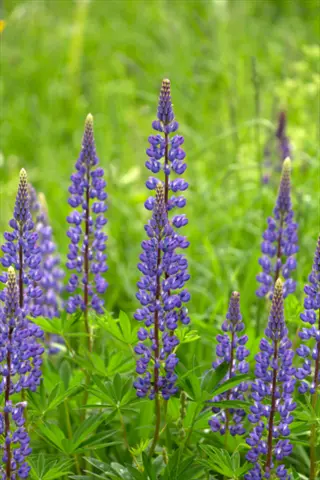
Wild Lupine (Lupinus perennis)
- Function: A legume that fixes nitrogen through root nodules, enriching the soil and reducing fertilizer needs.
- Bloom: Blue-purple flower spikes appear in late spring, adding early-season color and forage.
- Conditions: Favors full sun and well-drained, sandy soils where it can establish a deep root system.
- Roots: A deep root structure improves water absorption and resists drought once the plant matures.
- Wildlife: An important host plant for several butterfly species and a strong nectar source for native bees.
- Care: Best grown from seed in place, since the deep root makes transplanting difficult.
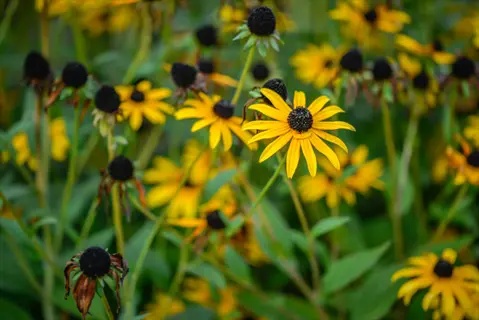
Black-Eyed Susan (Rudbeckia hirta)
- Function: A cheerful, easy native that bridges annual and perennial behavior and self-sows readily.
- Bloom: Golden-yellow petals around a dark center bloom from summer into fall, stretching the season.
- Conditions: Grows in full sun and a wide range of soils, making it one of the most forgiving choices.
- Roots: Fibrous roots help stabilize soil and let it fill gaps quickly in a new planting.
- Wildlife: Feeds bees and butterflies in bloom and offers seeds to birds once flowers fade.
- Care: Needs almost no input once established and reseeds itself to return year after year.
Read that list as a set of jobs, not a shopping cart. Butterfly weed is a milkweed, the host plant monarch caterpillars need to survive. Wild lupine pulls nitrogen into your soil so you can skip the fertilizer. Purple coneflower and the others stack nectar across the months and leave seed heads to feed your birds in winter.
Lean on perennial wildflowers for the backbone of your planting, since they return each year and dig deeper roots over time. Then let a self-sowing plant like black-eyed Susan fill the gaps fast. Get that mix right and 5 plants will do the work of 20.
How to Plant Native Wildflowers
I raked the back-fence strip of my Midwest yard down to bare dirt one fall and scattered seed on the heavy clay. By the third summer it was a full meadow of butterfly weed and coneflower that hummed with bees. The first summer it looked like a flop. The green was thin and patchy, weeds came up fast, and I figured my seed had washed away.
Native roots grow down before they grow up, so most of that first year happens underground where you can't see it. Knowing how to plant wildflower seeds the right way is mostly about giving them the same head start I gave that strip by accident. Get the site and the sowing right, and the plants do the rest on their own.
Start with full sun, which means a spot that gets 6 to 8 hours of direct light a day. Most native wildflowers bloom poorly in shade, and a sunny strip will out-flower a shady one every time. Then comes preparing the soil, and this is the step that decides whether your sowing lives or dies.
Clearing out the grass and weeds first matters more than any other thing you do. Wildflower seedlings are slow and small, so they can't fight established turf for water and light. Scrape the area down to bare dirt before you sow, and you give the new seeds a real shot.
Pick a spot that gets full sun of 6 to 8 hours daily, since most native wildflowers bloom best in strong light.
Remove existing grass and weeds so seedlings are not outcompeted, exposing bare soil for the seeds to reach.
Lightly rake or scratch the top layer of soil to create a rough seedbed that holds seeds in place.
Mix small seeds with sand and scatter them evenly across the surface rather than burying them deep.
Walk over or gently roll the area so seeds make firm contact with the soil, which improves germination.
Keep the surface lightly moist until seedlings establish, then taper off as native roots take hold.
One trick saves you a lot of grief with the tiny stuff. Mix your small seeds with a few handfuls of dry sand before you broadcast them, and the sand spreads the seed evenly so you don't dump a clump in one corner. The sand also shows you where you have already walked, which keeps the meadow from coming up bare in patches.
Skip the urge to bury your seeds deep. Surface sowing beats burying because most wildflower seeds need light to sprout, so they sit on top and press in. After you scatter, walk over the whole patch to push the seeds down for firm seed-to-soil contact. That snug press is what holds moisture against each seed and gets it to germinate.
Do not sow wildflower seeds into existing lawn or unprepared ground. Without bare, weed-free soil and good seed-to-soil contact, most seeds never establish.
When to Plant by Region
Most people who ask when to plant wildflowers want one clean answer. The honest reply depends on your region, but the USDA gives you a strong default. Fall is widely considered the best time to plant native perennials, and the reason is simple.
Many native seeds need a cold, moist period before they will sprout. This is called cold stratification, and winter does the job for free. You sow in fall, the seeds rest through the cold months, and they break dormancy on their own schedule.
That makes fall planting the easiest route for most gardeners. You drop the seeds, let nature chill them, and skip the fridge work entirely. Your decision really comes down to two windows, and your growing zones point you to the right one.
Late Summer to Fall
The widely recommended window: dormant fall seeding lets winter cold and moisture stratify seeds naturally before spring.
Winter
Fall-sown seeds rest in the soil while cold, moist conditions break their dormancy, readying them to sprout.
Early Spring
An alternative window: sow after the soil thaws, ideally using seeds already cold-stratified in the refrigerator.
Summer
Seedlings grow and many natives bloom; perennials may focus on roots the first year before blooming fully later.
Pick your window by region. In warm, frost-free areas, late summer to fall sowing works well because the soil stays workable and rain helps seeds settle. In colder zones, you have a choice. Sow in fall and let winter chill the seeds, or wait and sow in early spring after the soil thaws.
If you go the spring route in a cold zone, chill the seeds yourself first. A few weeks in the refrigerator mimics winter and gives you the same head start. The best time to plant is the window that matches both your zone and whether your seeds need that cold spell.
If you plant non-native or exotic species, a whole lot of other local species cannot use them.
Native vs Non-Native Mixes
The choice between native vs non-native plants comes down to a packet of seed at the store. One cheap can promises a meadow of color for a few dollars. But the seeds inside often come from another part of the country, or another continent, and that is where the trouble starts.
Out-of-region plants carry a real invasive species risk. A flower that behaves at home can run wild somewhere new. The bugs, diseases, and weather that kept it in check are gone. The U.S. Fish and Wildlife Service warns that these plants may spread without natural controls. Or they may simply fail because they never adapted to your local soil. Either way, you lose.
Here is the part that makes wildflower mix caution so important. Many of today's worst invasive plants were sold as pretty ornamentals decades ago. No one saw the harm coming. It can take years to learn whether an exotic species will turn invasive. So the seed you sow this spring might not show its true nature for a long time. That lag is exactly why a generic mix is a gamble.
- Species that evolved in your region and are adapted to local soil and climate.
- Provides the specific nectar, pollen, and host plants that local wildlife can actually use.
- Comes with clear sourcing so you know the seed is truly native to your area.
- Supports long-term, low-maintenance plantings that fit the local ecosystem.
- May contain non-native or even invasive species of unknown origin.
- Out-of-region plants can spread aggressively without natural controls, or fail to thrive.
- Often lacks clear labeling of which species are inside the packet.
- Offers little to local pollinators and birds compared with true natives.
You can skip the gamble with one habit. Before you buy, check each species against a regional native seed list for your area. A plant finder tool works too. Make sure every name on the label is truly native to your region. A seller who lists each species and its source has nothing to hide. A vague rainbow can with no plant names does.
Caring for Your Wildflowers
Here is the good news about caring for wildflowers. Once your native plants take hold, they ask for very little from you. The USDA says a settled native bed needs hardly any work. So your job shifts from constant care to a few well-timed touches each year.
Watering wildflowers is the first thing people overdo. Keep new seedlings lightly moist while their roots reach down. After that, water deep but not often, because natives handle dry spells far better than thirsty garden flowers. Skip the fertilizer too. Native wildflowers thrive on lean soil, and extra nutrients just feed weeds and crowd out the blooms you wanted.
The same low maintenance rule shapes how you tidy up in fall, and this is where most guides steer you wrong. Resist the urge to cut everything down. Standing dead stems and spent seed heads feed birds through the cold months and shelter overwintering insects. Ground-nesting bees use the soil and hollow stems all winter long, so a clean bed in November leaves them with nowhere to go.
- Water: Keep new seedlings lightly moist, then water deeply but infrequently once plants are established, since natives tolerate dry spells.
- Fertilizer: Skip or minimize fertilizer; native wildflowers thrive in lean soil and excess nutrients favor weeds over flowers.
- Weeding: Pull weeds while the planting is young so wildflowers can fill in, learning to tell seedlings from weeds by their leaves.
- Seed heads: Leave spent flower heads and stems standing through winter to feed birds and shelter overwintering insects.
- Cutback: Wait until late winter or early spring to cut back or mow, which protects ground-nesting bees and other wildlife.
- Overseed any thin or bare patches in fall to keep the planting full year after year.
Save any real cleanup for late winter or early spring, just before new growth pushes up. Mowing wildflowers at that point clears old stems without harming the bees that hid inside them. Set the mower high and only cut once a year, since natives do not need a tidy haircut to come back strong.
Plantings thin out over time, and that is normal. Overseeding the bare spots each fall keeps your meadow full and lets the strongest natives spread on their own. Do this little each year and your wildflowers will mostly take care of themselves, which is the whole point of growing them.
5 Common Myths
All wildflower seed mixes sold in stores are native to your area and safe to plant anywhere.
Many cheap mixes contain non-native or invasive species; only regionally sourced native seed truly supports local wildlife.
Native wildflowers only help bees and butterflies and do nothing else for a yard or garden.
They also feed songbirds through caterpillars, improve soil structure, fix nitrogen, reduce erosion, and conserve water.
You can dig native wildflowers from roadsides or woods and replant them in your own garden.
Most wild-dug wildflowers die after transplanting, and digging them harms fragile populations and rare, protected species.
Native wildflower gardens are messy, weedy, and need just as much work as a regular lawn.
Once established, natives are adapted to local conditions and usually need far less water, fertilizer, and maintenance.
Wildflowers always bloom heavily the very first year you scatter the seeds in spring.
Many perennials spend the first year building roots; full bloom often arrives in the second or third season.
Conclusion
Native wildflowers do far more than look pretty in a bed. Everything this guide built points back to one idea. They feed the bees, birds, and small animals that share your yard. Their deep roots build better soil and hold water in dry spells. And once they settle in, they ask very little of you in return. That mix of payback and ease is why these plants beat a tidy lawn every time.
The evidence here is hard to argue with. A peer-reviewed field study ran for years in three states. Native plant plots raised both the number and the variety of wild bees over weedy ground. Birds gain too. A single chickadee nest needs 6,000 to 10,000 caterpillars to fledge. And those caterpillars only grow on the native plants they evolved with. That is proof enough. Plant for the bugs and you feed the birds.
The practical choices that matter most are simple ones. Choose regional native seed grown for your area, not a cheap mix that may hide species from another continent. Sow in fall or early spring based on your zone and whether the seed needs a cold spell to wake up. And never dig wildflowers from the wild, since most die in the move and some are already in trouble. Get these few calls right and the pollinators will find you.
You don't need acres to make this work. A small patch with a few species that bloom from spring through fall still adds real habitat to your block. Mix annuals with perennials, aim for color in every season, and let the planting fill in over a few years. Looking forward, every bit of native ground helps. Start small, stay patient, and watch a low maintenance corner of your yard turn into a living one.
Glossary
- buzz pollination
- Pollination that only happens when a bee vibrates at a specific frequency to release a flower's pollen.
- cold stratification
- A cold, moist resting period that many native seeds need before they will sprout.
- dormant seeding
- Sowing seeds in late fall so they rest over winter and germinate naturally in spring.
- floral display size
- How much total bloom a planting shows at once, which strongly affects how many pollinators it attracts.
- host plant
- A specific native plant that certain caterpillars must eat to develop into butterflies or moths.
- nitrogen fixation
- The process by which legume plants convert air nitrogen into a form in the soil that other plants can use.
- self-sowing
- When a plant drops seed that sprouts on its own the next season, returning without replanting.
- taproot
- A single deep main root that anchors a plant and pulls water and nutrients from far below the surface.
External Sources
Frequently Asked Questions
What is a native wildflower?
A native wildflower is a flowering plant that grew naturally in a region before European settlement and is adapted to local soil, climate, and wildlife.
Can I just throw wildflower seeds on the ground?
Scattering seeds onto bare, weed-free soil with good seed-to-soil contact works far better than tossing them onto grass or untilled ground.
What are the easiest native wildflowers to grow?
Beginner-friendly natives include:
- Black-eyed Susan
- Purple coneflower
- Butterfly weed
- Wild bergamot (bee balm)
- Lanceleaf coreopsis
What is the hardest native wildflower to grow from seed?
Slow, specialist natives like shooting star, Indian paintbrush, and deep-taprooted prairie species are among the hardest to start from seed.
How long do native wildflowers live?
It depends on type: annuals live one season, biennials two years, and many native perennials live for many years or decades.
What is a bee bomb or seed bomb?
A bee bomb is a ball of clay, compost, and wildflower seeds meant to be tossed onto soil so seeds can germinate in place.
Are non-native wildflower mixes bad for my garden?
Cheap generic mixes can contain non-native or invasive species that crowd out locals and offer little to native wildlife.
Is it bad to pick or dig wildflowers from the wild?
Yes. Wild digging harms fragile populations, most wild-dug plants die after transplant, and poaching threatens rare species.
When do native wildflowers bloom?
Different natives bloom from early spring through fall; combining species gives season-long bloom that supports the most pollinators.
Do native wildflowers come back every year?
Perennial natives return each year, and many annuals self-sow, so a healthy planting can return season after season.