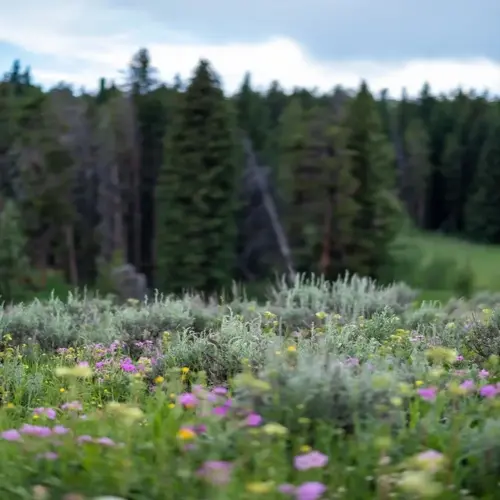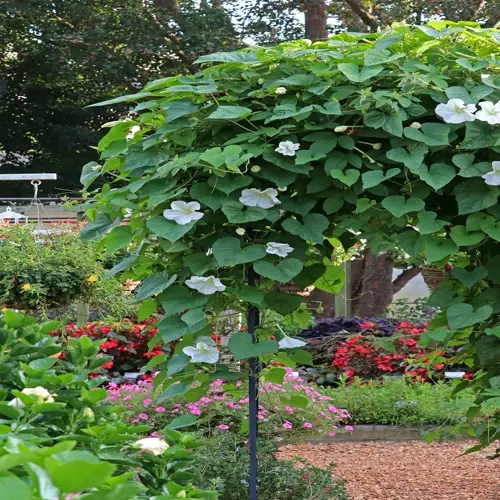
"Give me a shovel and I'll dig you a clump of that coneflower," my neighbor said. He pointed at the purple stand on the roadside near my Midwest yard. I told him to keep the shovel. Then I bought a packet of nursery seed instead. Digging wild wildflowers is bad, and it almost never works the way people hope. The plant you take usually dies. The patch you take it from gets a little weaker too.
This is where wildflower ethics matter more than most people think. A roadside stand of coneflower is not a free garden center. It is a working piece of habitat, feeding bees, butterflies, birds, and small animals all season long. When you pull a plant out of it, you take food off the table for every creature that relied on that spot.
The plant itself rarely rewards you for the effort. The USDA Forest Service says most wildflowers dug from the wild do not survive being transplanted. Their roots run deeper and wider than a shovel can follow. They are also tuned to one exact patch of soil, light, and water. Move them a mile and they sulk, then fade. Digging wild wildflowers wastes the plant and your weekend.
Picking flowers instead of digging them is not a safe middle ground either. Almost all wildflowers are fragile, and many wilt within hours of being cut. You trade a bloom that would have fed pollinators for a week against a few drooping stems in a jar that brown out by the next morning. The wild plant got nothing back, and neither did you.
The collecting problem has grown darker than one neighbor with a shovel. The Forest Service says poaching of native wildflowers has increased. Thieves now target rare plants, even ones at risk of dying out. In some cases whole stands have been stolen from the ground. Once a stand that size is gone, it does not grow back on its own. The wildlife tied to it has nowhere to go.
That last point is the one most people miss. Some pollinators have tiny home ranges, and a few depend on a single plant species to survive. When that habitat is destroyed, the insect dies out with it. You are not just moving one flower. You can break a link that took the local food web years to build, and it may not rebuild at all.
Ask one question first: would the wild plant be better off if you left it alone? The honest answer is almost always yes. Leave wild stands in place and bring the plant home from a nursery instead.
The good news is that you can have the same flowers without harming anything. Buy nursery-propagated plants or seed from a good native plant nursery. Check that the stock was grown from seed, not dug from the wild. Seed is cheap and ships easily. It also gives you a far stronger plant than a stressed transplant ever could. So you skip digging wild wildflowers and still get the bloom you wanted.
Going the nursery route also gets you better results when transplanting native plants into your own beds. A plant grown in a pot already has a root ball built to move, so it settles in fast and blooms on schedule. A wild-dug clump arrives with half its roots torn off and spends a year just trying not to die. One path gives you a garden, and the other gives you a graveyard.
So leave the roadside coneflower where it stands and let it keep doing its job for the bees. Order seed of the same species, scatter it in your own ground, and within a season or two you will have your own stand to enjoy. You get the flowers you wanted, the wild patch stays whole, and the pollinators keep their dinner.
Read the full article: Native Wildflowers: A Complete Guide