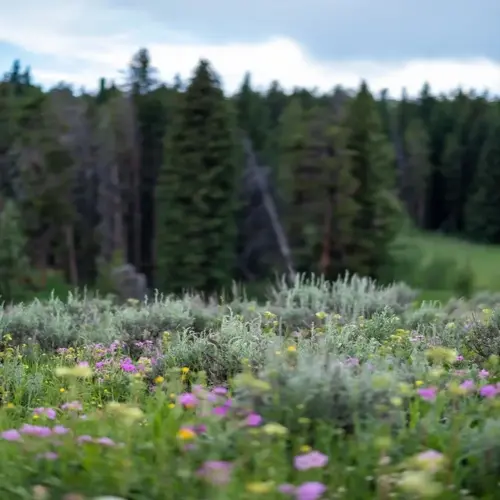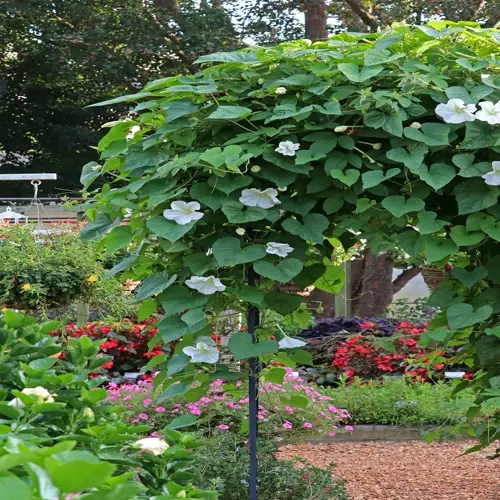
Native wildflowers bloom across a long window that runs from early spring through fall. There is no single answer, because wildflower bloom time depends on the species you plant. Wild lupine opens in late spring while goldenrod waits until autumn. A well-planned bed hands off color from one species to the next. The garden never goes blank between waves, and there is almost always something open.
That handoff is the whole point of a smart planting. Spring lupine fades just as summer coneflower opens. Coneflower then carries you straight to the fall asters with no gap in between. When you pick the right mix, you get season-long bloom for months on end. The alternative is one short burst in June followed by green leaves and nothing else.
This matters for more than looks. A wide field study by Williams and colleagues ran across several U.S. regions over many years. The work came out in the journal Ecological Applications in 2015. The team tested what makes a wildflower planting good for bees. The two biggest drivers were a large floral display and continuous season-long bloom. Plantings that kept flowers open from spring to fall fed the most wild bee species. A bed that blooms for only two weeks helps far fewer of them.
So the timing is the real work. You want flowers open for as many weeks as you can manage, not one big peak. The longer the chain of bloom, the more pollinators your space can feed. A bigger patch of any one flower helps too, since a larger display pulls in more bees. Below is how the bloom seasons line up across a normal year.
Spring
Early bloomers such as wild lupine open first, feeding pollinators as they emerge from winter.
Early Summer
Butterfly weed and purple coneflower begin a long stretch of nectar-rich bloom.
Late Summer
Wild bergamot and black-eyed Susan keep color and forage going through the warmest months.
Fall
Asters and goldenrod provide late nectar before frost, supporting pollinators into autumn.
Lean on a few proven natives to fill each season. Wild lupine carries late spring with its tall blue spikes, and bees crowd it early in the year. Summer belongs to butterfly weed and wild bergamot. Both stay heavy with nectar through the warmest weeks, and butterflies work them all day. As the days shorten, asters and goldenrod take over and feed bees right up to the first frost. Pick at least one strong bloomer from each window and you cover the whole year.
The common mistake is buying whatever looks good at the garden center in May. That gets you a wall of spring color and a quiet, empty bed by August. Sort your choices by bloom season before you buy anything. Aim for spring, summer, and fall species in roughly even numbers. Then the bloom never drops off, and you avoid the dead stretch most beds hit in late summer. Check the wildflower bloom time printed on each plant tag or seed packet. The same species can shift a few weeks earlier or later in your area, since local weather and your zone both push the dates around.
Plan it this way and you build a real pollinator garden that works as hard in October as it does in May. Bees, butterflies, and other insects need food across the whole season, not just one month. A staggered planting gives them steady forage week after week. It also gives you something in flower for nearly every week of the growing year. Start with three or four reliable natives per season. Add more as the garden fills in and you learn what thrives in your soil and sun.
Read the full article: Native Wildflowers: A Complete Guide