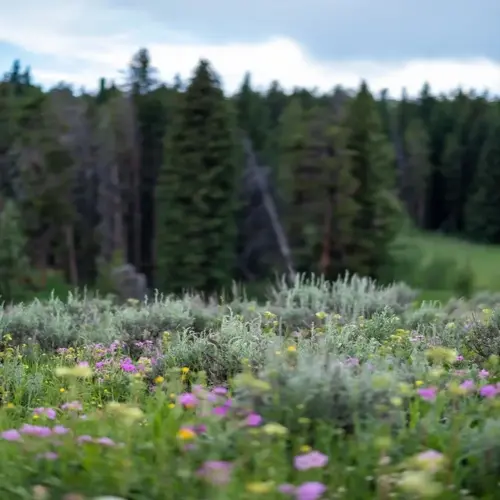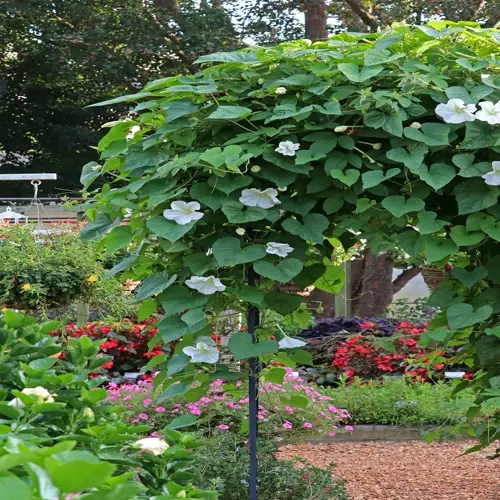
A bright seed packet with a meadow on the front and no plant names on the back is a warning sign. A non-native wildflower mix can be risky because the vague label may hide invasive species you never meant to plant. The pretty photo sells the dream, but the missing details are the real story. You deserve to know what you are scattering across your own soil.
That blank label is the whole problem. When a packet does not name each species or say where the seeds come from, you cannot know what you are buying. Some of those plants belong to your region and will settle in fine. Others were shipped in from far away. They have no real history in your area, and that gap is where trouble starts.
Out-of-region plants carry two clear risks. They might spread fast because none of the local bugs, diseases, or grazers hold them back. Or they might just sit there and fail, since they never adapted to your local rain, heat, and soil. The U.S. Fish and Wildlife Service flags both outcomes as common reasons to skip plants from another region. Neither one is the meadow you paid for.
The slow part is what makes this so tricky. A new plant can look polite for a few good years before it turns pushy and crowds out a whole bed. NC State Extension notes that many of today's worst invaders began as plain garden plantings. It can take years to learn if a species turns invasive. By then it has already spread, and the cleanup falls on you.
There is a quieter cost too. A non-native wildflower mix may bloom, but local bees and birds often cannot use those flowers for food. Wildlife evolved alongside the plants that grew here for ages. Swap in strangers and you get color without the bugs, the seeds, or the busy life a real meadow brings. The garden looks full but feeds almost nothing.
The fix lives on the label, so read it like a contract before you buy. A trustworthy bag names each species and lists the native range for every one. A cheap mix skips that work. It hides behind soft words like wildflower blend or pollinator mix with no proof to back them up. If the seller will not tell you what is inside, that silence is your answer.
Read the seed packet's species list and origin. If it does not name each species or say where it is native, treat it as a non-native mix and choose regionally sourced native seed instead.
So buy with your eyes open and skip the mystery bags. Look for regional native seed that spells out every species and its home range right on the package. A good supplier sorts seed by region. They tell you which plants grew near you long before any garden did. You pay a little more, but you know exactly what goes into the ground.
Then double-check the names yourself before the seeds hit the soil. Use a regional plant finder to look up each species. Your local native plant society or extension office runs one for free. If a name is not on the list, leave it out of your bed. A few minutes of checking now saves you years of pulling weeds you planted on purpose. That trade is worth it every single time.
None of this means you must build a perfect prairie on day one. Start small with one tidy patch of true natives. Watch how the local bees find it within a week or two. Once you trust your source and your eye for labels, you can grow the bed bigger each season. A real meadow is built one honest packet at a time, not bought in a single mystery bag.
Read the full article: Native Wildflowers: A Complete Guide