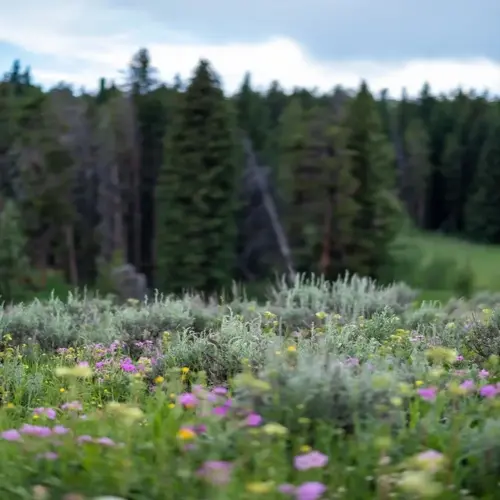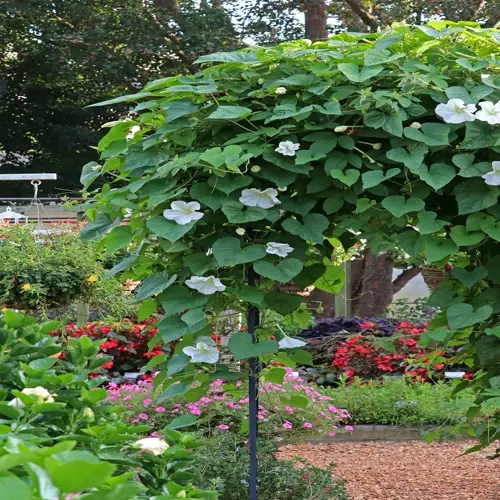
A native wildflower is a flowering plant that grew in one region long before people brought in plants from far away. The simplest native wildflower definition ties the plant to a place and a long stretch of time. It is a flower that belongs where it grows. The local soil, the weather, and the wildlife all shaped it over many generations.
You can spot the difference along almost any country road. A stand of purple coneflower spreads thick in the ditch. It blooms year after year, and no one tends it. A few feet away sits a fussy out-of-region plant from a nursery. It struggles in the same soil and fades by midsummer. The coneflower has roots in that ground that go back centuries.
The USDA gives this a clear standard. A native plant is one that grew up as part of the balance of nature in a region. That takes hundreds or thousands of years. In the United States, it means the plant was here before European settlement. So the cutoff is not just any old plant. It is one that was already here, working with local bees, birds, and soil, before settlers arrived.
That long history matters because native plants grew up with the insects and animals around them. The flowers bloom when local pollinators are out. The seeds feed birds that have always lived nearby. Many caterpillars eat only certain native leaves and nothing else. Those caterpillars later turn into the butterflies we love. Pull the native plants out and the whole web starts to thin.
A few well-known natives make the idea easy to picture. Butterfly weed sends up bright orange blooms that monarchs need for their young. Purple coneflower draws bees all summer and feeds finches in the fall. Wild bergamot smells like mint and pulls in hummingbirds and native bees alike. All three have grown across much of the eastern and central United States for ages. None of them needs a gardener to thrive.
Here is the catch. Native is always tied to place. So a flower native to one state may be a stranger two states over. Butterfly weed thrives across the East, but it is not native to the dry Southwest. That is why you cannot just trust a label that says wildflower mix on the front. Many of those mixes carry seed that has no real history where you live. Some even hide aggressive species that crowd out the real locals.
Run any plant through a regional plant finder or your state native plant society site before you buy seed. Type in your zip code and the tool tells you which species truly belong in your area.
So before you spend money on seed, take five minutes to confirm a plant is one of the plants native to your region. The Audubon native plant database lets you search by zip code. Most state university extension sites do the same thing. Match the seed to your own area and the plants settle in fast. They need less water, and they bring back the bees and butterflies that grew up there with them.
The short native wildflower definition comes down to this: a local that earned its spot over a very long time. Each one is a thread in a living system of soil, bugs, and birds. The bloom is the part you see, and the work it does for wildlife runs much deeper. Plant the right ones for your area and you give that whole system a hand. The flowers come back on their own each year, so you plant once and enjoy the show for a long time. That is the real reason native flowers beat a generic seed mix every time.
Read the full article: Native Wildflowers: A Complete Guide