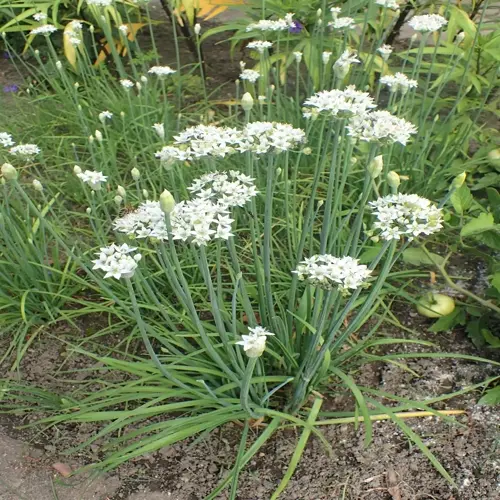

The main cilantro health benefits come from a simple trade. You add almost no calories to a dish. In return you pick up a bright dose of vitamin K, plus some vitamin A, vitamin C, and plant antioxidants. A fresh handful earns its spot on your plate. It does that for the nutrients, not for any real energy it brings.
Cilantro is one of the lightest foods you can add to a meal. A full 100 grams holds only around 23 calories. Most of that weight is just water. You will rarely eat that much at once. So the real role of cilantro nutrition is flavor. The herb also brings a small but useful set of micronutrients per pinch.
The standout here is vitamin K. Cilantro is a notable source. Most charts list it near 310 micrograms per 100 grams. Treat that as a ballpark. Exact USDA numbers shift a bit from one database to the next. They shift between fresh batches too. Even so, the vitamin K cilantro brings is a real plus. This nutrient helps your blood clot. It also supports your bone health.
Here is what a serving tends to offer. Each value stays approximate on purpose.
Cilantro gives you vitamin A too. It shows up as beta-carotene in the leaves. Your body turns that into vitamin A as you need it. You get a little vitamin C as well. Herbs like parsley tend to edge it out there. The leaves also bring a plant pigment called lutein. You will find that same one in other leafy greens you eat.
One honest note matters here. You may have read bigger claims about the cilantro health benefits. Some say it lowers blood pressure or detoxes your body. The extension and university sources behind this guide do not back those specific claims. The safe and true takeaway is plainer. Cilantro is a healthful flavoring with a solid nutrient profile. It is not a medicine. So enjoy it, but do not lean on it to fix anything.
How you use the herb changes how much you get from it. Heat dulls the flavor. It also wears down some of the more delicate nutrients. So stir cilantro in near the end of cooking. Better yet, scatter it fresh over the finished plate. A raw garnish on tacos, curry, or soup keeps the taste sharp. It also protects more of what makes the herb worth eating.
There is one more reason to keep it fresh. Cilantro wilts fast once you cut it. Buy it close to when you plan to cook. Wrap the stems loosely and store them in your fridge for up to a week. A perky bunch holds more flavor and more of its vitamins than a slimy one does.
You can fold cilantro into more meals than you might guess. Stir a handful into your rice once you pull the pot off the heat. Toss it into a fresh salsa or a bowl of guacamole. Blend it into a green sauce with lime and a little oil. Each of these lets you eat the herb raw, so you keep its flavor and its vitamins on your side.
Do not throw out the stems either. They hold flavor and the same nutrients as the leaves. Chop them fine and they cook down soft in soups and stir-fries. You waste less of the bunch this way. And you stretch one cheap herb across more of your week.
The cilantro antioxidants round out the picture. Beta-carotene and lutein both fall into that group. They add to the case for using the herb often. None of this turns a spoonful of chopped leaves into a daily pill. It does not need to. Think of cilantro as an easy, low-calorie way to make food taste better. Along the way it nudges a few real vitamins onto your plate. Keep it fresh, add it late, and use it freely.
Read the full article: Cilantro Plant: Complete Growing Guide